

Industries
Built for every kind of play. One accountable team.
What works in a trampoline park does not work in a hospital waiting room. These thirteen sort into three families, and the family decides more about the design than the building type does.
Find the one that describes your room
A hotel and an airport have more in common with each other than either has with a trampoline park, which is not what an alphabetical list suggests.
Play is the business
Staffed, ticketedSomebody buys a ticket to be there, marshals are on the floor, and the attraction mix is the product. Everything is designed for throughput at the busiest hour, and the mix decides the revenue. Trampoline parks · FECs · Adventure parks · Soft play centers · Sports complexes
Play keeps somebody somewhere
Watched from a tableThe play area earns by extending a visit that was happening anyway — a meal, a shop, a stay, a wait. Sightlines from where the adult is sitting matter more than capacity, and the area is usually small, contained and quiet. Restaurants & play cafes · Retail & shopping centers · Hotels & resorts · Airports
Play serves the people already there
Supervised by the institutionA congregation, a class, a membership, a waiting room. Nobody is buying a ticket, the supervision belongs to staff who have another job, and accessibility and cleaning carry more weight than throughput does. Churches · Daycares & preschools · Community centers & YMCAs · Hospitals & healthcare
The grouping is ours; the thirteen sectors and everything on their pages is the client's own writing. Our own post on who benefits is the list in its original form, and our piece on the market is the argument for why the category keeps growing.
What actually differs between them
Who watches the room is the first and the biggest. A marshal on a trampoline court, a parent with a coffee, a teacher with a class and a nurse with a ward are four different supervision models, and each one changes what can safely be in the room and how it has to be laid out.
How long somebody stays decides what the equipment has to do. A ninety-minute session needs variety and progression; a twenty-minute wait needs one thing a child can start and stop. Designing a terminal like a park is how you get an attraction nobody has time to use.
And why it is there at all. Where play is the product, the mix is the business case. Where it extends a visit, the sightline is. Where it serves people who are already in the building, the test is whether every child can use it — which is why accessibility carries more weight in the third family than in the first.
- Who watches
- Marshals, a parent at a table, or staff with another job
- How long they stay
- A session, a meal, a shift, a wait
- Why it is there
- The product, an extension of a visit, or a duty of care
Ours, not from any guide of ours. Answer these three and the sector page you need is the one that matches.
Test it against your siteWhichever family you are in, the same two services settle the room: a measured layout and, once it is open, somebody owning the routine. How much floor each attraction should take is a planning exercise of its own.
13 sectors
13 pages
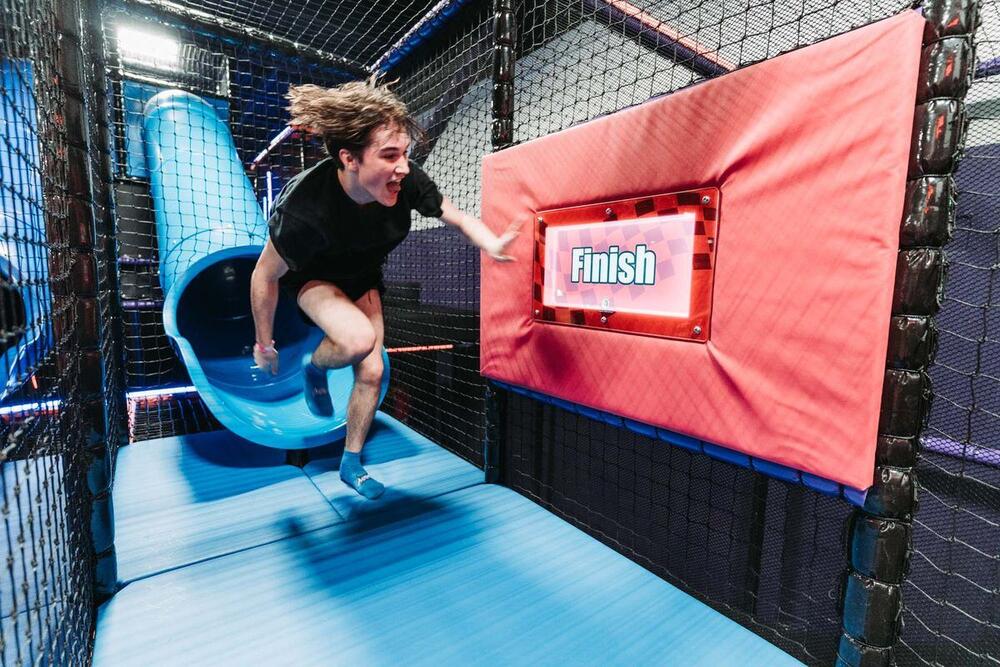
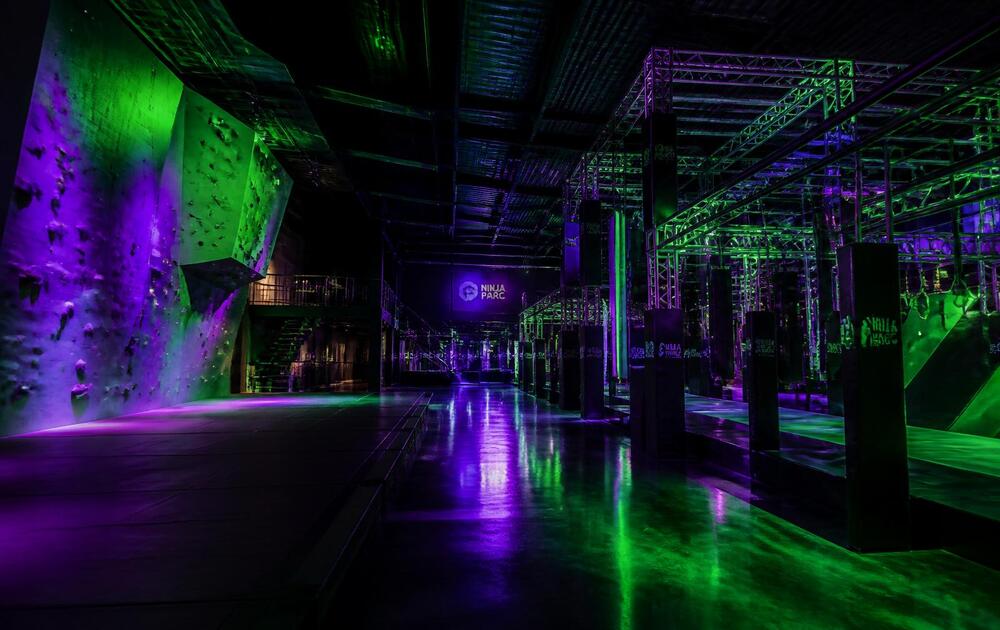
Adventure Parks
Bring together ninja, climbing and obstacle courses that turn challenge into adventure.
Airports
Give younger travelers room to play and families a welcome break between flights.
Churches & Religious Centers
Create a welcoming place for families to play, connect and return each week.
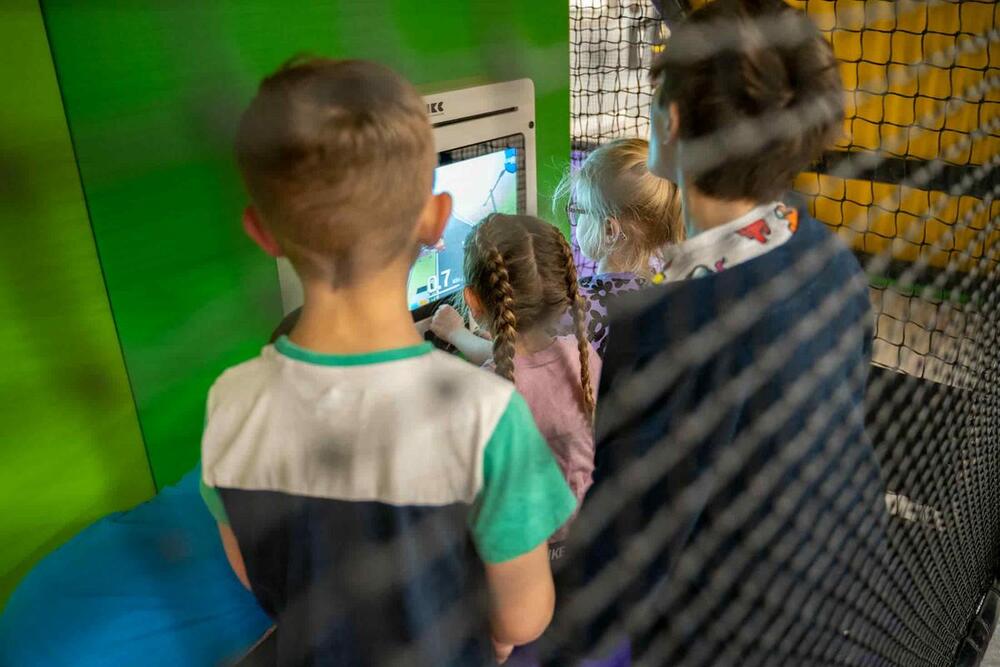
Community Centers & YMCAs
Bring more families together with play that complements your programs and facilities.
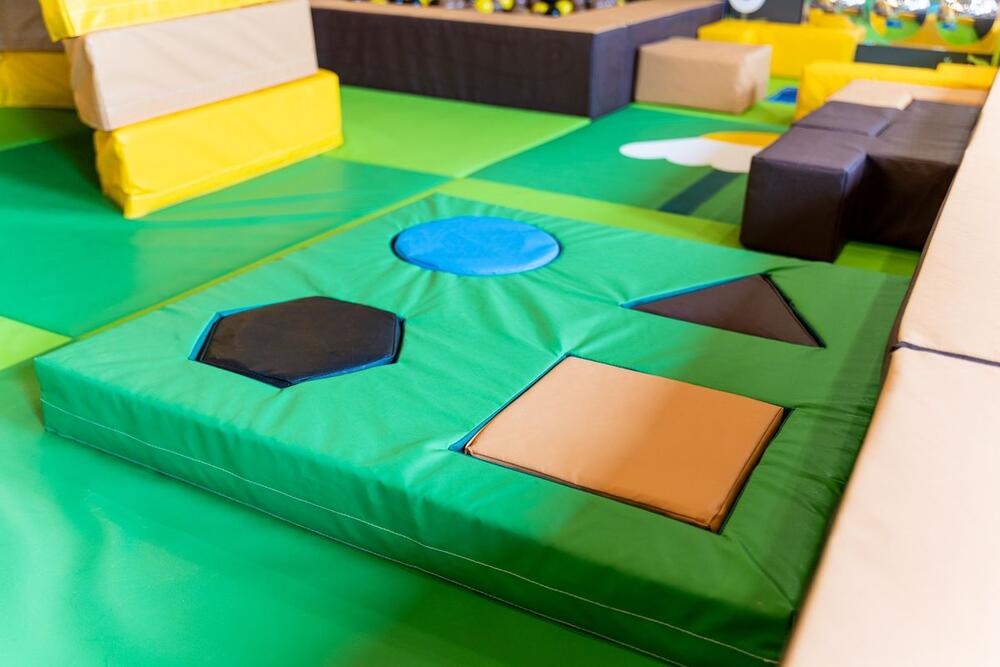
Daycares & Preschools
Age-appropriate indoor play designed for everyday discovery, movement and learning.
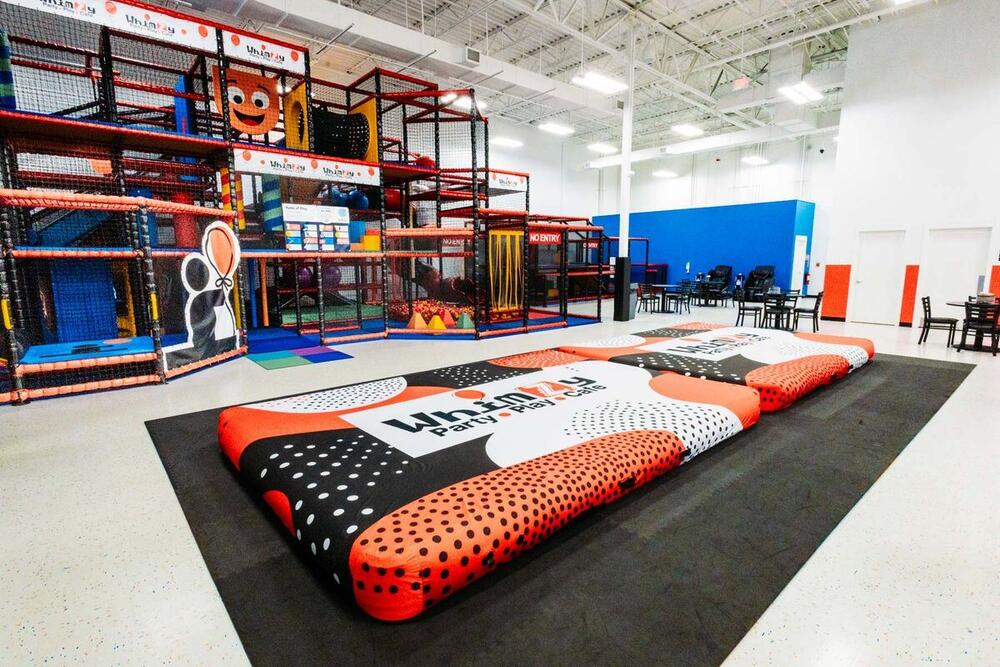
Family Entertainment Centers
Make more of your space with attractions for different ages, interests and abilities.
Hospitals & Healthcare
Make waiting spaces more welcoming with thoughtful play for children and families.
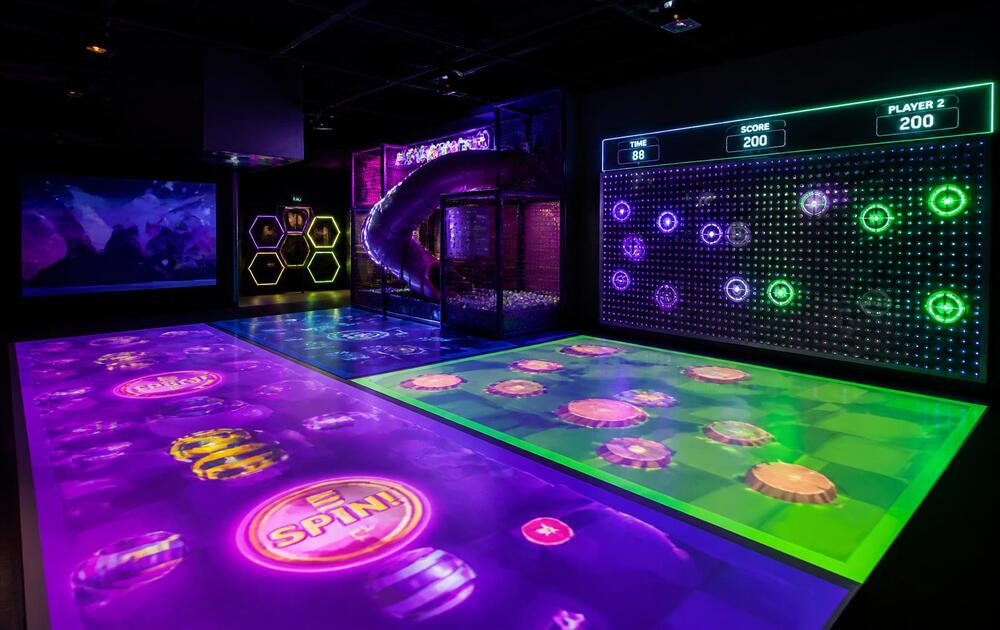
Hotels & Resorts
Give families another reason to choose your property, and come back.
Restaurants & Play Cafes
Make play part of the experience, with compact attractions that fit your space.
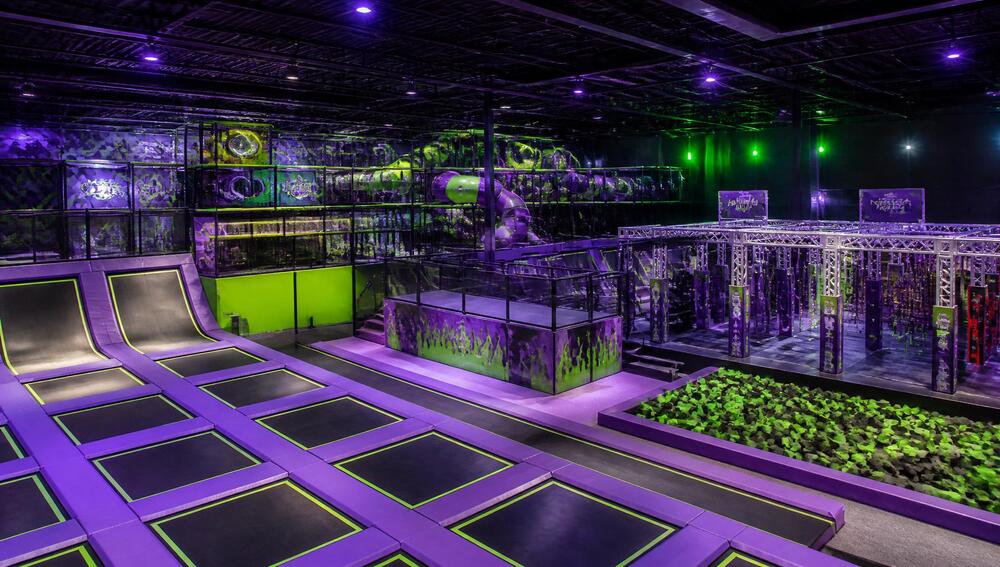
Retail & Shopping Centers
Turn a shopping trip into a family day out with a dedicated place to play.
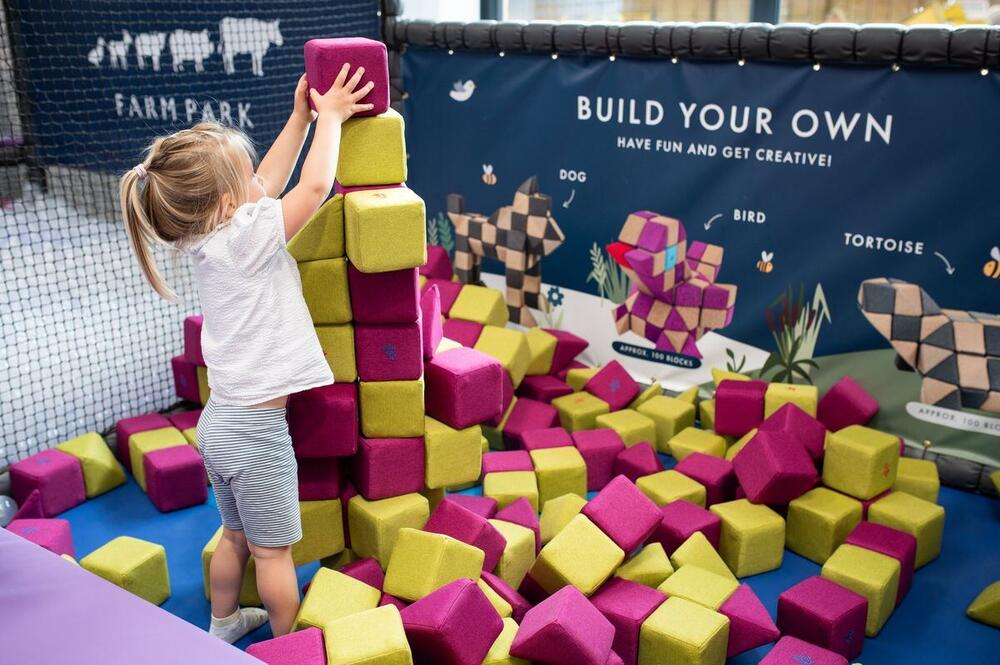
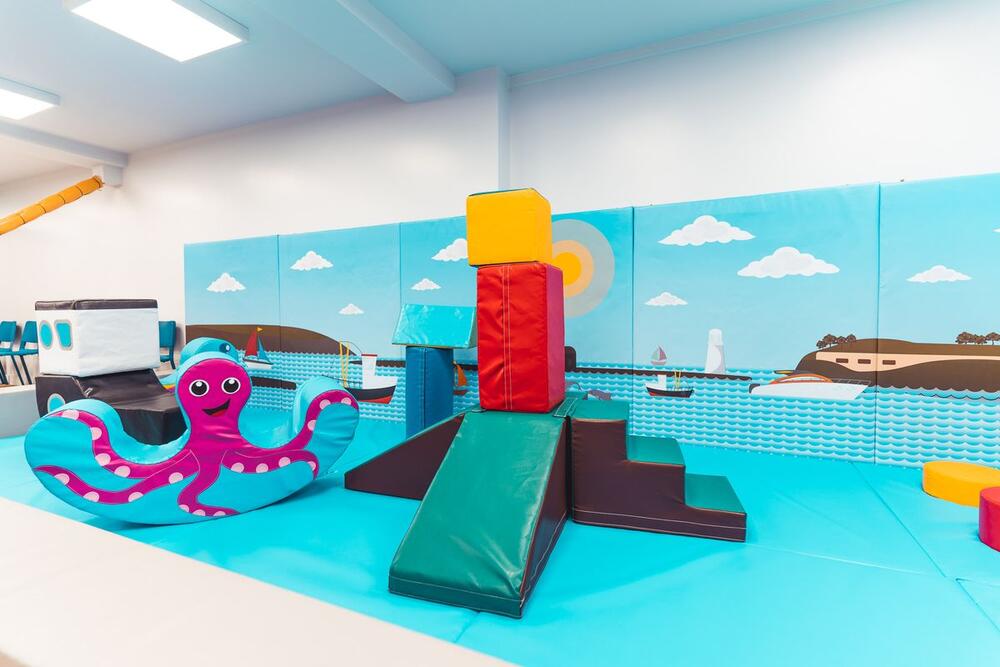
Soft Play Centers
Imaginative play for younger children, with easy maintenance and clear parent sightlines.
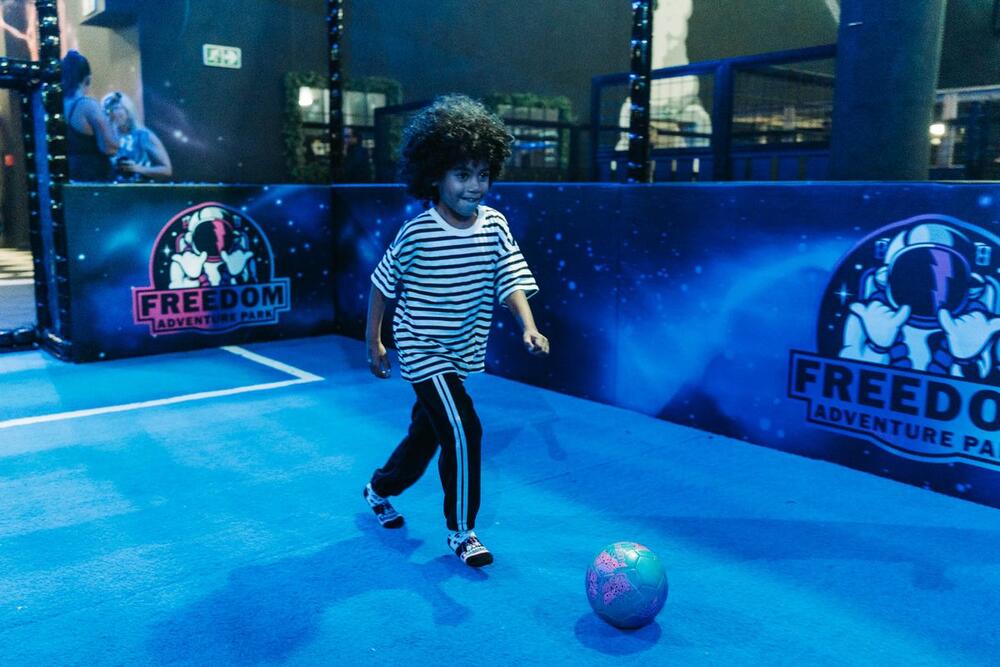
Sports Complexes
Add recreational play alongside training, with courts and attractions for year-round use.
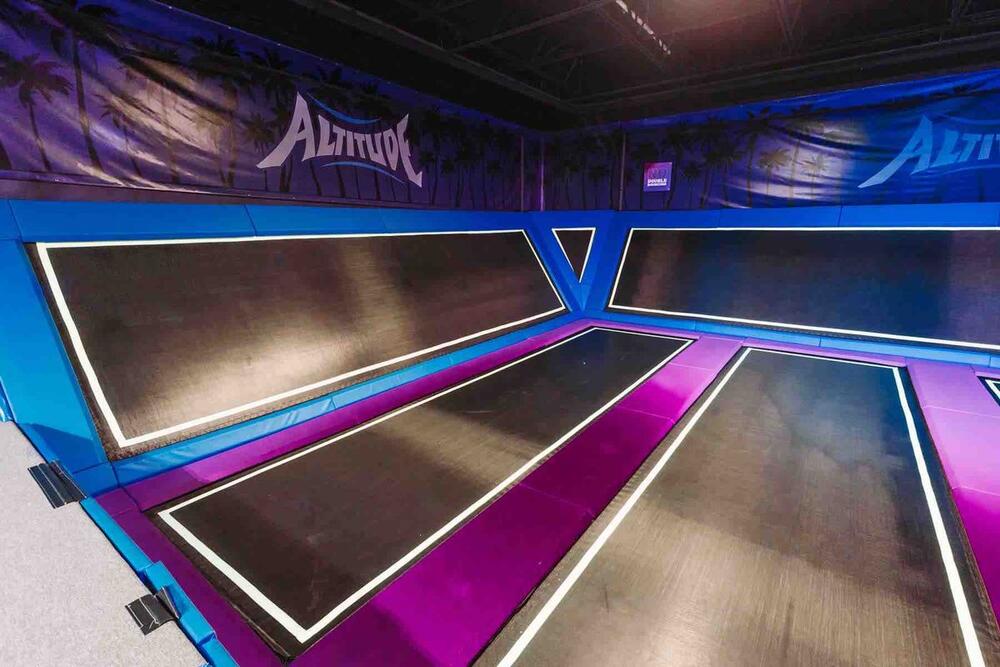
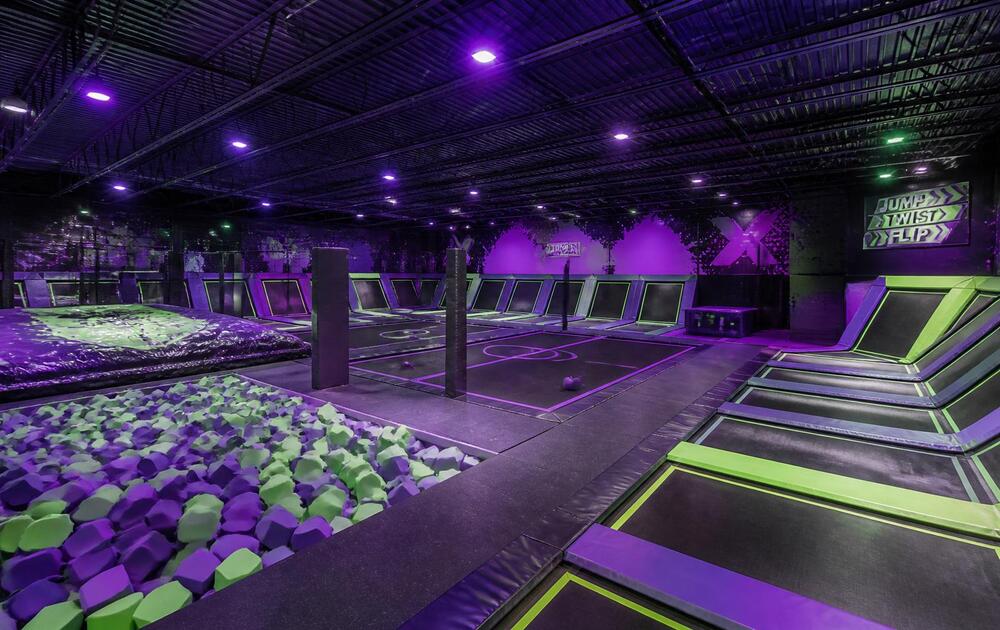
Trampoline Parks
Refresh your courts or build a new park with attractions that keep guests coming back.


The next step
Send the building, get a line-item estimate
Footprint, ceiling height and opening target is enough to start. You get a priced scope, not a brochure.
Talk to somebody
864-477-1126Request an EstimateOr send a floor plan and we will come back with a priced scope.