

Equipment
Ropes courses
The attraction that puts circulation above the floor plan. It adds capacity without taking floor, it is the thing people see first from the door, and it is run rather than installed.
Capacity you do not pay for in square feet
Most attractions compete for the same floor. A course competes for the air above it, which changes what it is worth in a building where the rent is the constraint — and changes what it is worth in one where the ceiling is.
It takes volume, not floor
CapacityA course runs above what is already there. Our own guide tells operators to use the vertical space, and this is the attraction that does it most literally — the footprint it costs you is the footprint of its towers and its queue.
It holds people, slowly
Dwell timeA slide is throughput: one rider, a few seconds, next. A course is dwell — a lot of people on it at once, all moving at the pace of whoever is in front. That is a longer visit and a shorter queue, which are different things from more riders an hour.
It is a view
SightlinesPeople on a course are visible from the whole room, which is why it reads as the signature of a park from the door. It also means the elements over the cafe are the ones everybody photographs, and that is a layout decision worth making on purpose.
It shares a landing
With the restOur attraction-mix guide makes the point that pairing slides, zip lines and ninja courses with airbags lifts throughput and safety together. A zip line that ends over shared impact attenuation is cheaper and better supervised than one that ends over its own.
The vertical-space principle and the shared-landing argument are both from our guide to building an attraction mix, which is also where zip lines appear on the list of thrill attractions worth having.
The purchase is the cheap part
A soft play frame opens and runs itself. A course needs people at the gate, gear in a store and a maintenance routine with a calendar — and all three are ongoing, which makes them the part a business plan underestimates.
Every rider is a process
Every weekFitted, checked, attached, briefed. That is a person at a gate for every session, and it is the cost most often left out of a model that was built from a ticket price and an hourly capacity.
Moving parts fail in summer
Every weekOur own seasonal guide names zip lines among the things that will fail if they are not lubricated, and says heat and humidity change how a lubricant performs. It specifies a dry silicone-based product for anything a child might touch, because grease stains clothes and attracts dirt.
The gear is its own inventory
Every weekHarnesses, lanyards, trolleys and helmets are equipment with a service life, a check routine and records. Ask who supplies them, who inspects them, what the retirement criteria are, and where that is written down — before the course is ordered rather than after.
The lubrication detail is ours, from a maintenance guide — the seasonal piece — and it is the kind of thing that only turns up in writing from somebody who has had a zip line seize in August. The gear questions in the third card are not from anybody's standard; they are the questions worth asking, and the maintenance page covers what we do and what stays with you.
Written by the committee that writes ride standards
The standard for this attraction is ASTM F2959, Standard Practice for Aerial Adventure Courses, and the climbing and ropes page sets it out — the active edition, the subcommittee, and the fact that its scope covers auditing as well as inspection.
The part worth repeating here is where it comes from. F2959 is an F24 document — the committee that writes amusement ride standards — and the practice substitutes "Aerial Adventure Course" for "Amusement Rides and Devices" throughout its text. In a state that regulates amusement rides, that is a strong hint about which inspector is going to ask you questions, and what they will ask to see is the same list every time: which document, which edition, who tested it, who signs it off.
None of that is legal advice and none of the standard is reproduced here. No height, no capacity, no inspection interval appears on this page, because those are the numbers somebody would build and operate to.
Around a course
4 pages
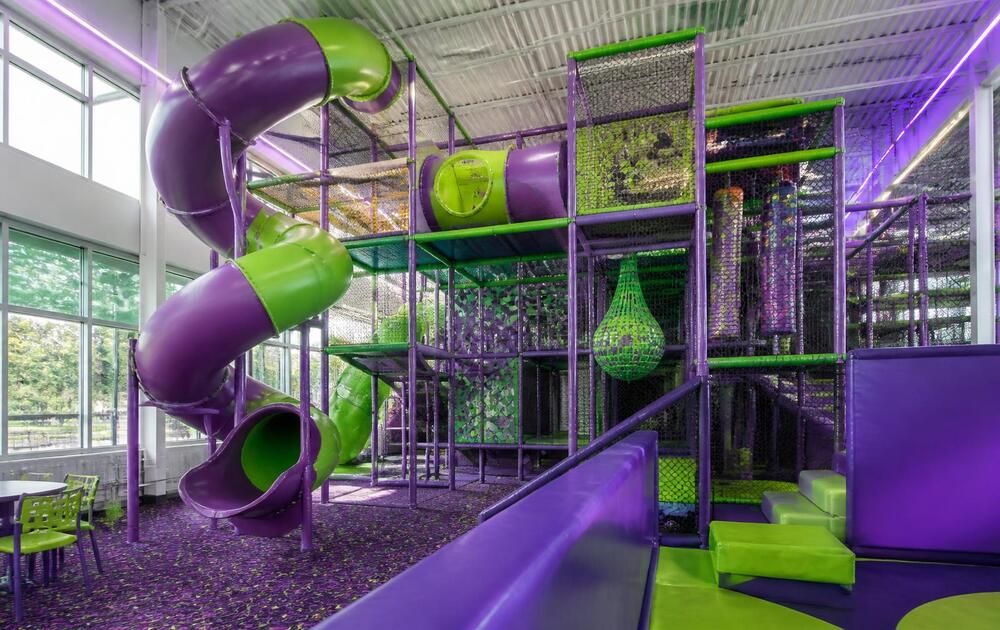
Climbing & Ropes
Walls, traverses and rope courses that use the height a building already has.
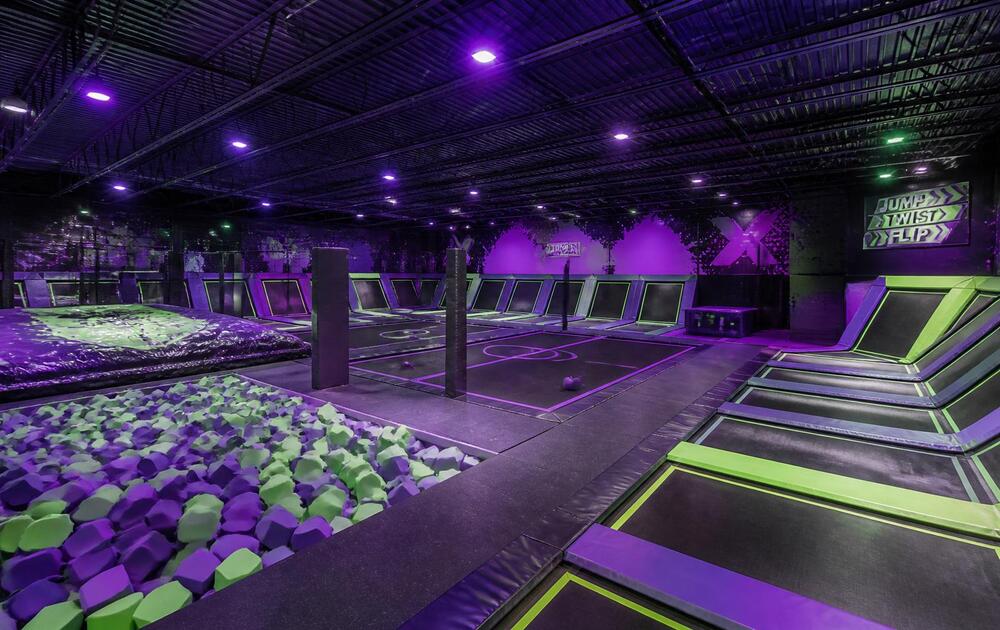
Climbing Walls
Bouldering and auto-belay walls sized to the clear height you have.
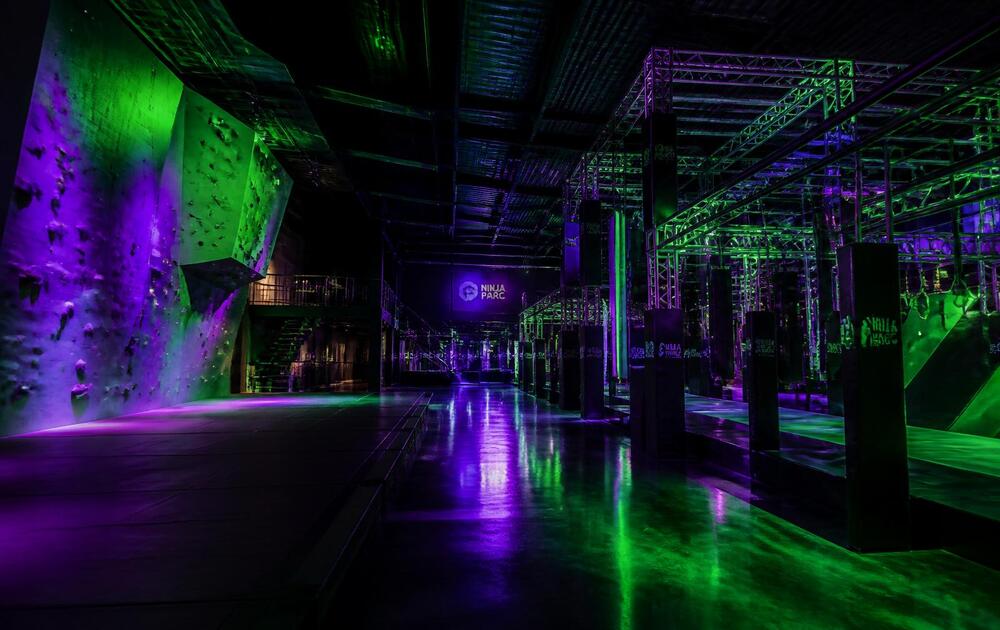
Ninja & Obstacle Courses
Timed runs that turn a visit into a competition, and bring the same people back to beat it.
Maintenance
Parts, service calls and scheduled maintenance from a US-based team, for the life of the attraction.


The next step
Send the building, get a line-item estimate
Footprint, ceiling height and opening target is enough to start. You get a priced scope, not a brochure.
Talk to somebody
864-477-1126Request an EstimateOr send a floor plan and we will come back with a priced scope.