

Equipment
Tumble tracks
The long lane down the side of a park: one jumper at a time, a run of linked skills, and something to land in at the end. It is the attraction people queue to repeat, and the one a class can be built on.
A narrow run, used one person at a time
A tumble track is a long, narrow bed — inflated or sprung — that a jumper runs and bounces down in a straight line, linking one skill into the next, and ends by landing into whatever is at the far end of it. Everything else in a trampoline park is a space people share. This is a lane people take turns on.
That difference is the whole character of it. Throughput is set by how fast the queue moves rather than by floor area, the marshal is watching one person instead of twenty, and the attraction rewards coming back — a jumper who lands something new on their fourth run has a reason to buy a fifth visit that open play does not give them.

The run
Decide at designHow long the lane is, and how many of them sit side by side. Length decides how much a jumper can link together before they run out of track; lane count decides how many people are moving at once and how long the queue is on a Saturday.
The bed
Decide at designAn inflated air track and a sprung tumbling bed do not feel the same, do not wear the same and are not maintained the same way. This is the decision that most affects who the lane ends up being for.
The landing
Decide at designWhat is at the end of the run: an airbag, a foam pit, or a matted end with nothing to land into. Each one changes what a jumper will attempt, and each one is a different thing to inspect and maintain for the rest of the park's life.
The approach
Decide at designWhere people wait, where they enter, and where they go when they get off. A single-file attraction needs somewhere for the line to stand that is not on the lane — the cheapest fix at layout and the most expensive one afterwards.
A note on whose words these are. Everywhere else on this site the description of a product is the client's own copy carried over from their site. There is none for tumble tracks — no page, no paragraph, not a line in a post — so this one is written here. It is accurate and it is deliberately free of numbers, because a run length or a bed size quoted on a web page is a number somebody will hold us to.
The same lane, run two ways, and the standard knows it
ASTM F2970 is the standard a commercial trampoline court is written against, and its scope names what it does not cover. Two of those exclusions are about people rather than equipment: trampolines used for professional exhibition, and single-user trampolines worked under the direct supervision of a trainer or coach.
A tumble track is the one lane in a park that gets used both ways. Open play on a Saturday afternoon, with marshals and patrons. A coached class on a Tuesday morning, one jumper at a time, with an instructor standing beside the bed. The scope of the standard draws a line somewhere between those two, and which side a given session falls on is not a question a supplier can answer for you.
It is a question worth answering before the first class rather than after an incident. Your inspector and your insurer both have a view, both will want it in writing, and the operating procedure is where it belongs.
Where to read it
- ASTM F2970-25
- 21 sections, and a scope that names what it leaves out
- Sections 17, 18 and 19
- Operator duties, patron education, patron responsibility
Nothing above is a compliance opinion, and this page does not give one. What an inspection actually looks at sets out who signs what, and in which states somebody from the state does the signing.
This is the equipment a class is built on
Our own guide to trampoline park attractions makes the argument better than this page could: specialized classes and competitive leagues go beyond simple open jump time and give people a reason to come back on a schedule. Tumbling is the most obvious of them, and a tumble track is what it needs.
The hours are the point. Our seasonal guide notes what every operator already knows — once school goes back, weekday traffic drops. A lane that fills a Tuesday morning with a coached session is earning in the hours open play cannot, using equipment that is already paid for.
Which makes the staffing question the real one. A class needs somebody qualified to run it, and that is a different hire from a court marshal. What the standards put on your staff is worth reading before the schedule is printed, and the full attractions guide covers the rest of the programming case.
Around the track
4 pages
Trampoline Courts
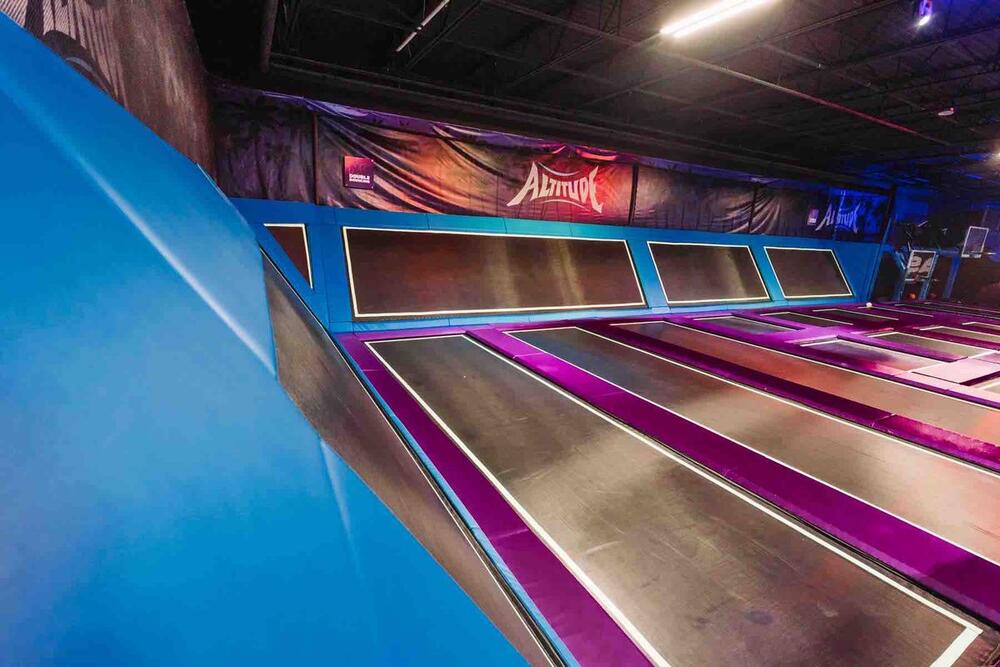
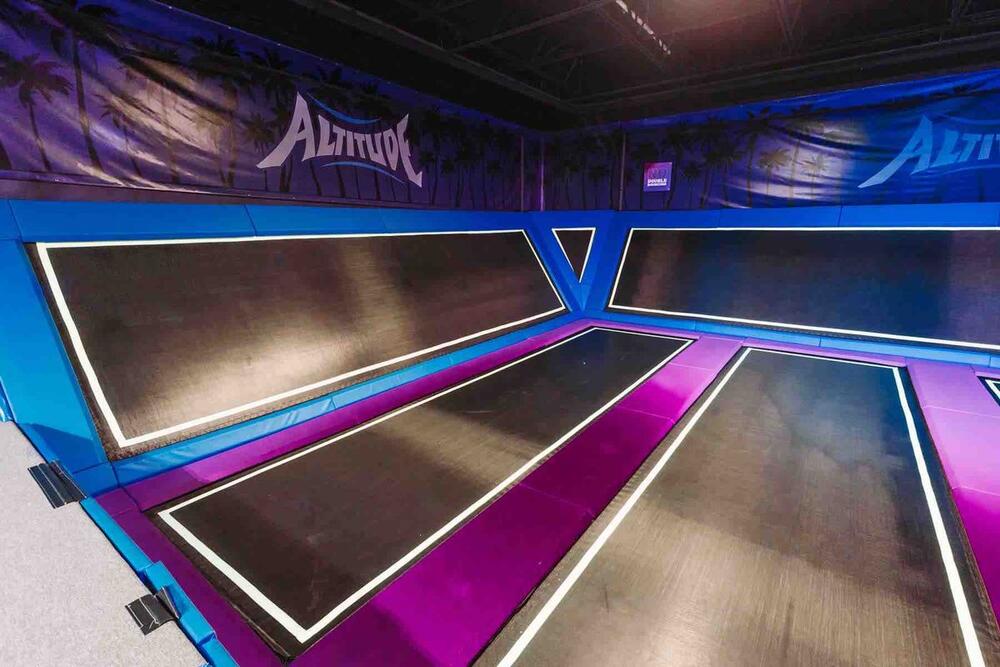
The open play floor, laid out around sightlines and marshalling.
Airbags
Take your trampoline park to the next level with trampoline airbags.
Foam Pits
Landing pits designed for inspection and foam replacement.
ASTM F2970 Explained
The trampoline court standard, in terms an operator can act on.


The next step
Send the building, get a line-item estimate
Footprint, ceiling height and opening target is enough to start. You get a priced scope, not a brochure.
Talk to somebody
864-477-1126Request an EstimateOr send a floor plan and we will come back with a priced scope.