

Guides
How to start a family entertainment center
The format defined by having several attractions rather than one — which makes the mix the business, and makes this the hardest of the four to plan and the easiest to get wrong by buying one attraction at a time.
What an FEC is, and why the format keeps growing
Our own definition: a commercial venue offering a variety of entertainment for families with children — typically a mix of indoor playgrounds, arcade games, laser tag, bowling and go-karts. The word doing the work is mix.
Disposable income
TheirsFamilies have more disposable income to spend on leisure, and an FEC offers a variety of affordable options — our own first reason, and the one that makes a mixed-price offer worth designing rather than a single admission.
Indoor demand
TheirsUnpredictable weather and the rise of technology, in our own words: families want indoor entertainment that is a break from screens and promotes physical activity. The weather argument is the one this whole industry runs on.
Family bonding
TheirsA chance for families to bond and create shared experiences. In layout terms it is the argument for attractions a parent can do with a child rather than watch from a bench.
Experiences over things
TheirsConsumers increasingly seek experiences rather than possessions, and an FEC offers engaging and interactive activities. Our own writing on interactive equipment is where that argument is made at length.
The four reasons are our own, from our guide to starting a family entertainment center, with our piece on the market behind the first and our writing on interactive equipment behind the fourth. The sector page for the building itself is family entertainment centers, and the businesses that benefit is the wider list.
Eight parts, and two of them are the same decision
Our own eight-part plan is beside this, in the order the guide gives it. It is a good shape for the document a lender will ask for, and most of it is the same work any venue requires.
Two of the eight are not independent, and this is ours: market analysis and products and services are a single decision written twice. In an FEC the attractions are the market position — a building full of toddler play and a building full of go-karts are different businesses in the same box, with different price points, different dwell times and different weekday trade.
Which is why the mix deserves its own work before the plan is written rather than after. Attraction mix and space planning is the guide for that, built from our own post on the subject, and consulting is where somebody tests it against a real building and a real catchment.
On the money question, our own answer is to ask. The FAQ at the foot of the post says the cost varies with size, attractions and location and invites a customized quote — which is the same position the cost guides take, for the same reason: a published figure is wrong for every building except one.
- Executive summary — the concept, the goals and the key strategies
- Company description — mission, vision and what makes the venue different
- Market analysis — the industry, the audience and the competition
- Products and services — the attractions and amenities you will offer
- Marketing plan — advertising, promotions and public relations
- Management team — the experience and qualifications behind it
- Financial projections — income statement, balance sheet and cash flow
- Funding request — how much, and what it will be spent on
Which half of an FEC we build, and which half we do not
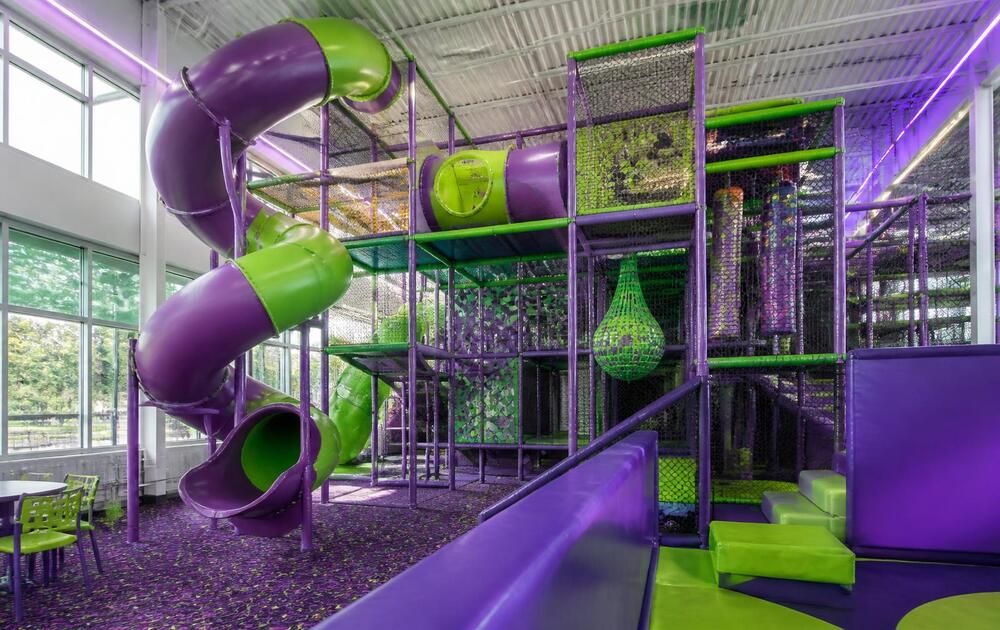
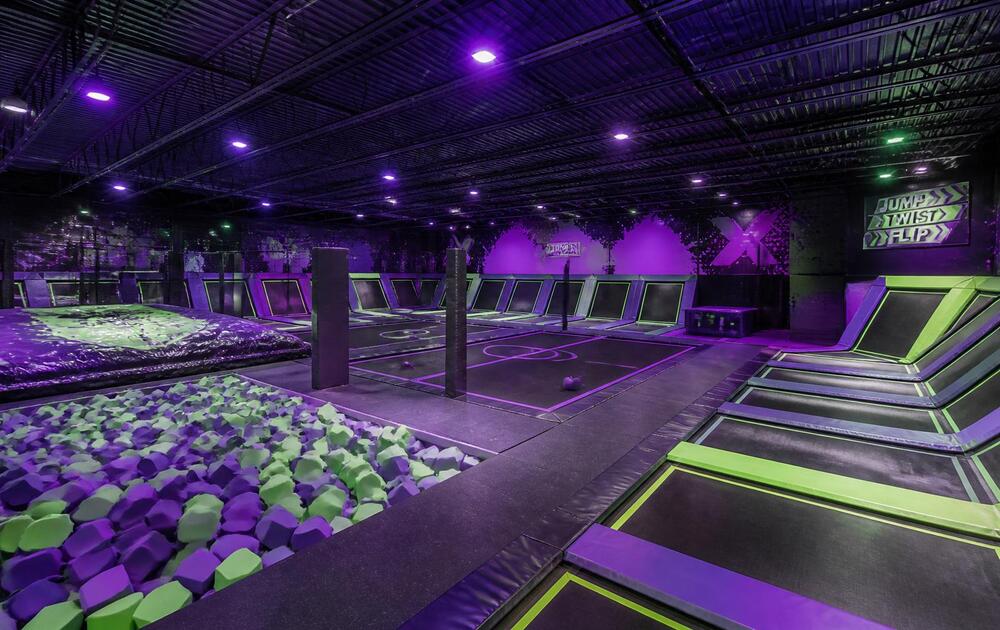
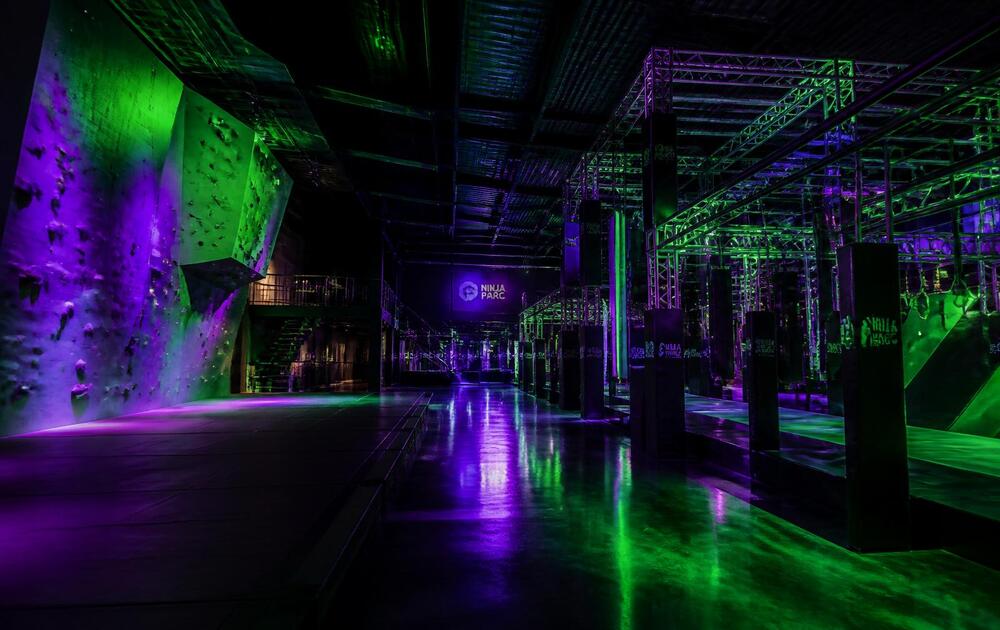
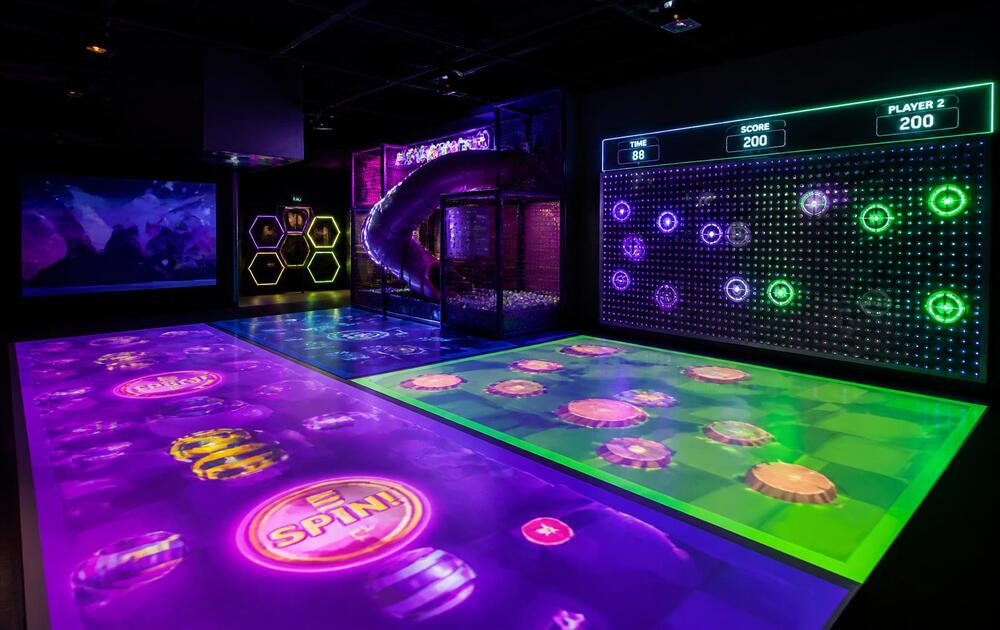
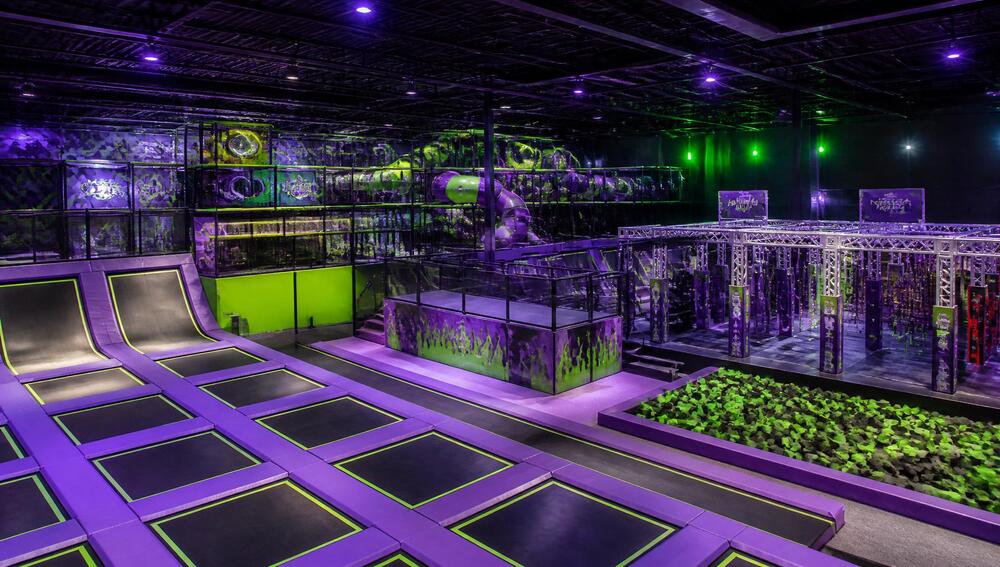
Worth saying plainly on our own website. Our definition of an FEC includes arcade games, laser tag, bowling alleys and go-karts. We do not supply any of those. What we design, manufacture and install is the active play half of the building — soft play, trampolines, climbing, ninja, sport courts, interactive attractions and the slides between them.
Listing somebody else's product categories without saying so would read as a catalog, and an operator planning an FEC needs to know which suppliers they are actually assembling. The rest of this guide is about the half we can speak to.
The layout considerations beside this are our own six, and they are written for a building with several attractions in it rather than one. Three of them — traffic flow, attraction placement and flexibility — are the mix question wearing different hats: how people move between attractions, which ones they see on the way in, and what you can change in three years without closing.
The active play half of an FEC usually comes from this list: soft play for the youngest, trampoline equipment and ninja courses for the middle, climbing and slides for height, sport courts for leagues and interactive attractions for the scored, timed things teenagers come back for — with party and F&B zones as the part that earns on a Saturday morning.
Accessibility is on their list and has a page of its own here — what the ADA counts — and the safety line, clear signage and non-slip flooring included, sits under safety and standards.
- Traffic flow
- Smooth throughout, with no congestion and no bottlenecks
- Attraction placement
- Placed for visibility, to encourage exploration
- Accessibility
- Designed to be usable by people with disabilities
- Safety
- Clear signage, well-lit areas, non-slip flooring
- Aesthetics
- Lighting, color and decoration that make the room inviting
- Flexibility
- Room to expand or change the attractions later
Our own six layout considerations, from the same guide.
Turn them into a layoutFlexibility is the one operators thank themselves for later. An FEC that was designed with a corner that can change is an FEC that can take a new attraction in year three without a shutdown — which is what upgrades and retrofits exists to do, and what installation has to sequence around a trading floor.
Six licenses, and six ways people find out you exist
Our own license list is beside this. Two of the six are specific to this format rather than to play: an entertainment license, which our guide notes may be required for attractions such as arcade games, and a liquor license if you serve alcohol. Both are reasons an FEC takes longer to open than a play center.
What applies to your building is set by your local and state government, and that sentence is theirs as much as ours. Nothing on this page is legal advice.
The marketing list below is our own too. The one worth doing first is the website, because every other item on the list sends somebody to it — and in this sector most of them arrive on a phone, looking for opening hours, prices and whether there is anything for a four-year-old.
- Business license — to operate a business in your area at all
- Building permit — for new construction or significant renovation
- Occupancy permit — certifying the building meets safety and fire codes
- Food service permit — if you offer food and beverages
- Entertainment license — may be required for attractions such as arcade games
- Liquor license — if you serve alcohol
- Website
- Attractions, pricing and contact details, professionally done
- Social media
- An active presence, engaging rather than broadcasting
- Advertising
- Local publications, online platforms, community events
- Public relations
- Relationships with local media and community organizations
- Promotions
- Discounts and loyalty programs, to attract and retain
- Newsletters, promotions and event announcements
Both lists are our own, from the same guide, which also answers five questions at the end — the cost, the popular attractions, the marketing, the layout considerations and the licenses. The maintenance half, once it is open, is a program rather than a call-out.
The other guides
5 pages
Attraction Mix & Space Planning
How to divide a footprint between attractions, and what each one needs.
How to Start a Play Cafe
The hybrid of coffee and soft play, and what it takes to run one.
How to Start a Trampoline Park
Site, equipment, permits and staffing for a new trampoline park.
How to Start an Indoor Playground
Research, funding, permits and design for a first play center.
Indoor Playground Design Guide
Laying out a play space around sightlines, age groups and traffic flow.


The next step
Send the building, get a line-item estimate
Footprint, ceiling height and opening target is enough to start. You get a priced scope, not a brochure.
Talk to somebody
864-477-1126Request an EstimateOr send a floor plan and we will come back with a priced scope.