

Equipment
Drop & free-fall slides
The near-vertical kind. On every other slide the bed is the ride; on this one the bed delivers a rider to the thing that actually matters, which is whatever is waiting at the bottom.
Buy the landing first, then the slide
A free-fall slide is a short, steep bed and a drop. The ride lasts a couple of seconds and almost all of the engineering, the maintenance and the risk sits underneath it — which is why the useful order to decide things in is backwards from the way they are usually sold. Choose what a rider lands in, and the slide above it follows.
Our own guide to building an attraction mix lists free-fall slides as a thrill attraction alongside zip lines and ninja runs, and makes the point that combining them with airbags lifts both throughput and safety. Three attractions sharing one landing is a better building than three attractions with three.

An airbag
Deepest landingOur own writing is direct about this: airbags are hygienic and easy to maintain where a foam pit is not, they are durable enough to avoid frequent replacement, and they give a soft landing zone that lets a rider commit. The attraction-mix guide credits pairing slides with airbags for both throughput and safety.
A foam pit
The traditional oneThe arrangement airbags were designed to replace. Our airbag page calls foam pits dusty and maintenance-heavy by comparison — foam compresses, has to be topped up and has to be dug out to be inspected, and that is labor every week for the life of the attraction.
A matted runout
Lowest dropNo pit and no bag: the bed flattens and the rider slows down on it. It is the cheapest to run and the most restrictive on what the slide can do above it, which is why it belongs to the gentler end of the type.
The comparison between the first two is our own, from the airbags page — it is their argument for airbags over foam pits, made about trampoline landings and just as true under a slide.
Where it goes, and the number we will not print
In the thrill zone
ZoningOur own advice is to zone a park — a toddler zone, a family zone and a thrill zone — and this is the clearest case for it anywhere in the catalog. The same guide notes that a soft play area keeps younger children away from the main court, which is the other half of the same idea.
Up, not along
Vertical spaceA drop slide is the purest version of our own instruction to use the vertical space: it buys the ride out of ceiling height rather than out of floor, which is why it suits a building with volume and a tight footprint.
Beside what it feeds
ThroughputOne rider at a time, a short ride and a queue. Our guide pairs slides, zip lines and ninja courses with airbags for exactly this reason — the landing is shared infrastructure, and shared infrastructure is what keeps the line moving.
At a height we will not guess
Send the buildingNo ceiling figure appears on this page. What a given model needs depends on the model, the landing under it and the structure around it, and a number published here would be a number somebody designs a building around. Send the footprint and the ceiling height and you get a real answer.
Probably not play equipment, in the regulator's sense
Both of the standards this site explains step around this attraction. ASTM F1918, the soft contained play specification, excludes amusement rides by scope. ASTM F2970, the trampoline court standard, excludes any attraction with no trampoline court bed in it at all. A free-standing drop slide is usually neither thing.
Which leaves the regime that picks up amusement rides. Where a state regulates them, it generally asks the same three things: that the ride complies with the ASTM standards that apply to it, that it is inspected on a schedule by somebody qualified to sign for it, and that the paperwork exists to show both. Whether your state treats a given model that way is a question for your state.
So the two questions to ask before ordering are the same ones this site asks everywhere: which document was this model designed and tested against, and who signs it off once it is in your building. Neither is a hard question for a supplier who knows the answer.
Where each one stops
- ASTM F1918
- Soft contained play — amusement rides are out of scope
- ASTM F2970
- Trampoline courts — no court bed, not covered
The state law is set out on our page on ASTM F2970, with the statutes linked, and what an inspection looks at covers who signs what. None of this is legal advice — it is a list of questions, and the point is that they are cheap to ask in a sales meeting and expensive to ask after an installation.
Around a drop
4 pages
Slides
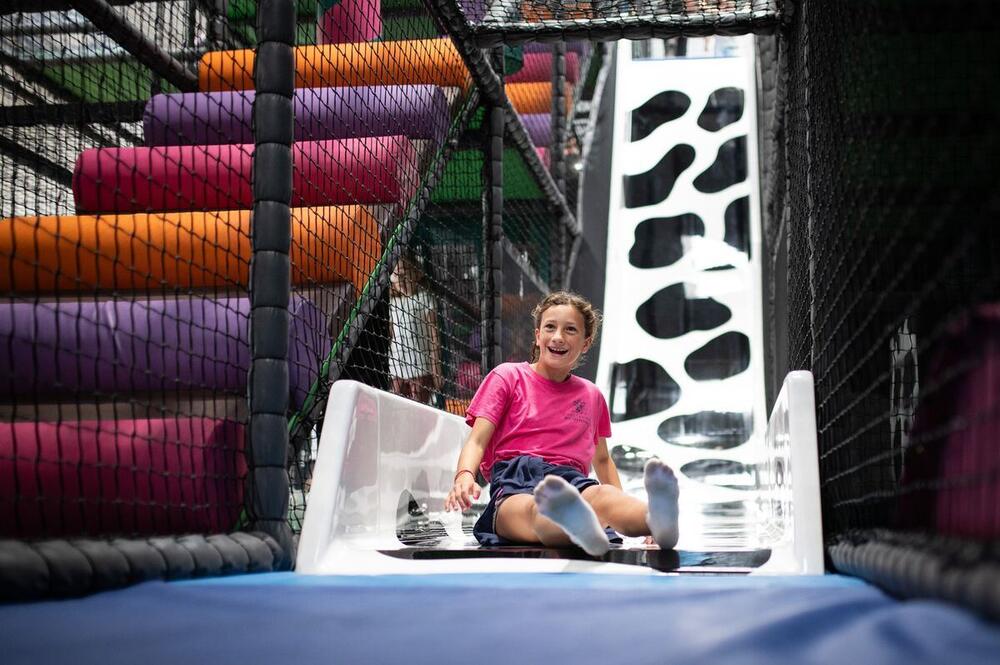
Tube, open flume and drop slides fabricated to the ceiling height you actually have, with clear exit zones and…
Airbags
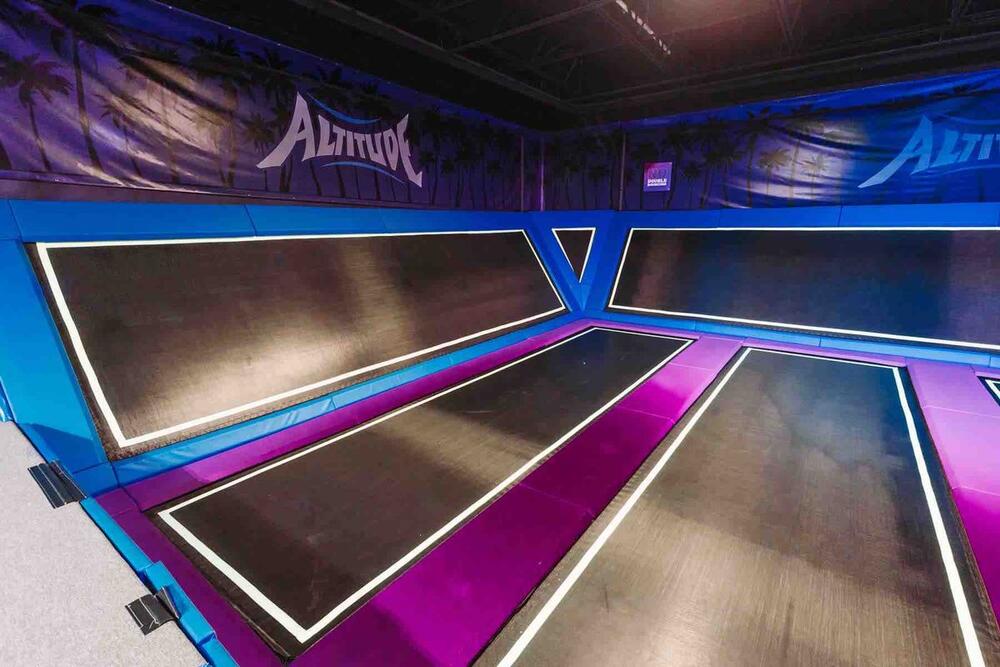
Take your trampoline park to the next level with trampoline airbags.
Foam Pits
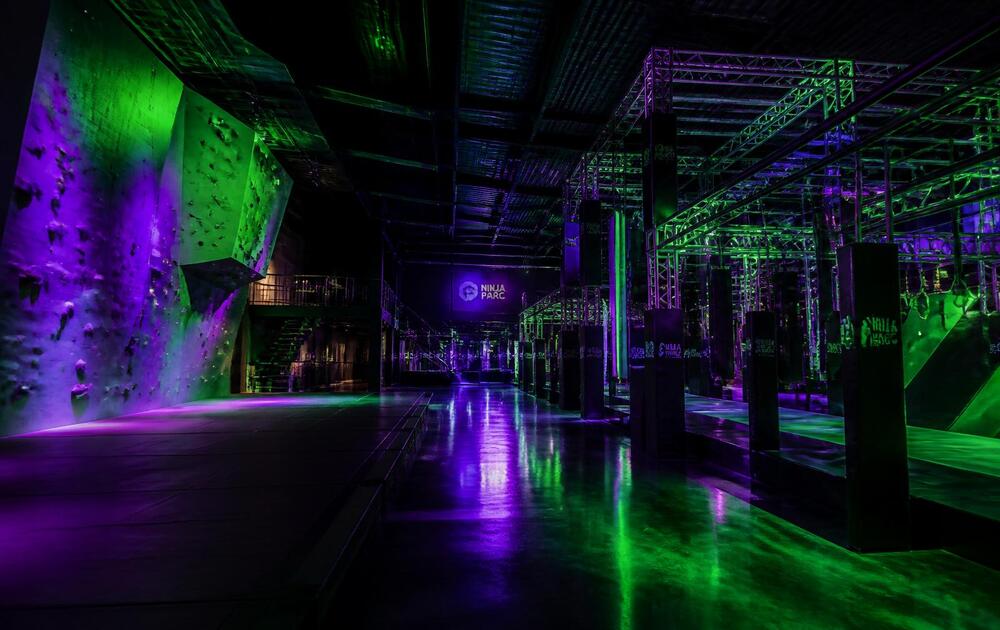
Landing pits designed for inspection and foam replacement.
Inspections & Compliance
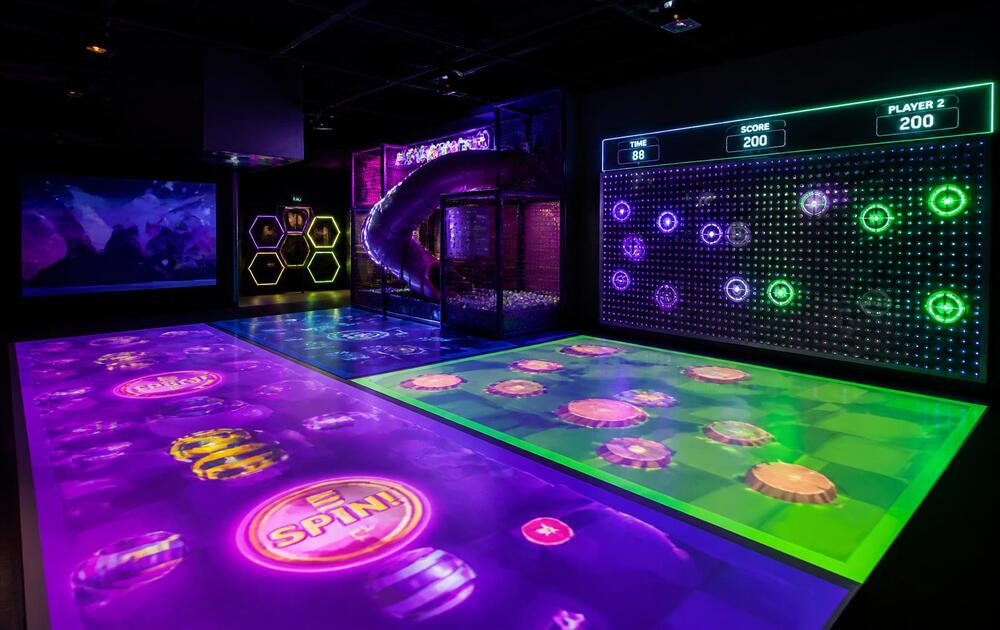
The documentation your inspector, your insurer and your local authority ask to see before you open.


The next step
Send the building, get a line-item estimate
Footprint, ceiling height and opening target is enough to start. You get a priced scope, not a brochure.
Talk to somebody
864-477-1126Request an EstimateOr send a floor plan and we will come back with a priced scope.