

Safety & Standards
Trampoline Safety: ASTM F2970 Explained
The standard every commercial trampoline court in the United States is written against: what is in its twenty-one sections, what it asks of the people who build and run a court, and why we build every one of ours to it.
A practice, not a law — until a state adopts it
Its full name is the Standard Practice for Design, Manufacture, Installation, Operation, Maintenance, Inspection and Major Modification of Trampoline Courts, which is a mouthful and also a table of contents: those seven words are the seven things it has rules about.
ASTM is not a regulator. It is a standards body, and what it publishes is a consensus document written by the people in the industry — manufacturers, operators, inspectors, engineers. On its own it binds nobody. It becomes binding when a state writes it into law, when an insurer asks for it, or when a contract says the equipment will meet it.
The standard says so itself, in the scope, in a sentence worth carrying over exactly: “The standard’s existence alone will not prevent injuries.”
- Designation
- ASTM F2970-25
- Published by
- ASTM International
- Written by
- Subcommittee F24.61
- Length
- 37 pages
The current edition replaced F2970-22; before that came -20, -17, -15 and -13. The edition matters: the standard applies to courts manufactured on or after the date its edition was published, so an older court was built to an older document.
The standard itself, from ASTMWhat is actually in it
Building it
Tested, designed, manufactured, installed, and modifications.
- 6 — Quality, Manufacture, Construction and Installation
- 7 — General Design
- 8 — Design
- 13 — Performance Criteria
- 9 — Major Modification
Telling people
Serial numbers, operations manuals, inspection criteria and customer education.
- 10 — Information Plate
- 11 — Information Requirements
- 18 — Patron Education
- 19 — Patron Responsibility
Running it
The duties of the manufacturer and the operator.
- 16 — Manufacturer Responsibilities
- 17 — Owner/Operator Responsibilities
- 12 — Certifications
- 20 — Trampoline Children Zones
When something happens
How to handle injuries and incidents, reporting requirements and follow up.
- 14 — Classification of Injuries and Illnesses
- 15 — Notification Requirements
Next Level Parks recommends that every client planning to add trampoline courts to their design downloads and reads the full ASTM F2970 publication.
This page explains the standard. It is not the standard, and it is not legal advice. All of our trampoline equipment is built to ASTM F2970. Whether your state requires an annual inspection, and who is allowed to sign it, is a question for your state's amusement device authority.
The rest of the standards work
4 pages
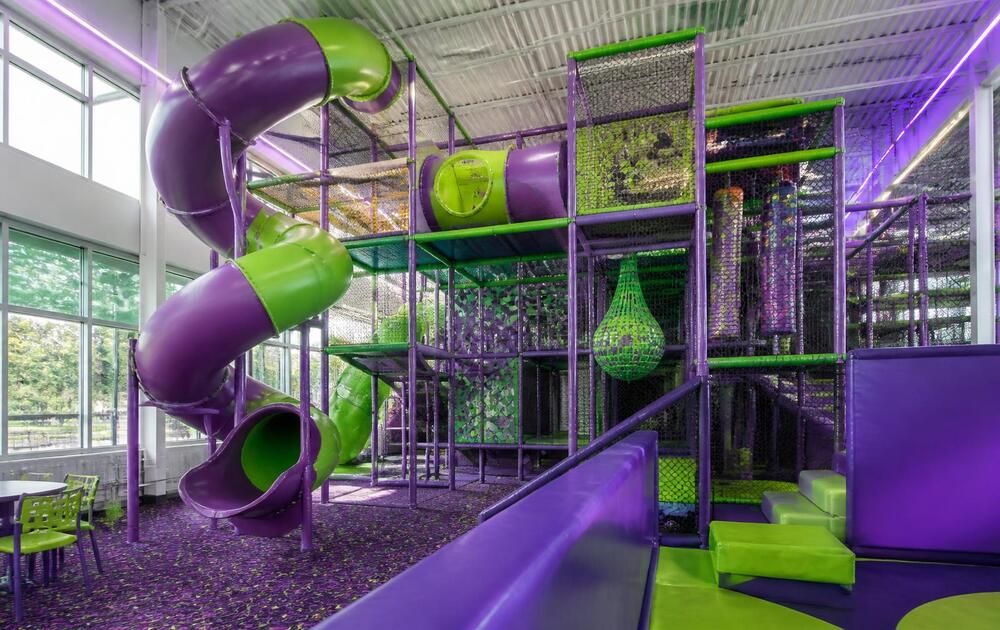
Soft Play Standards
The soft play standards covering structure, padding and entrapment.
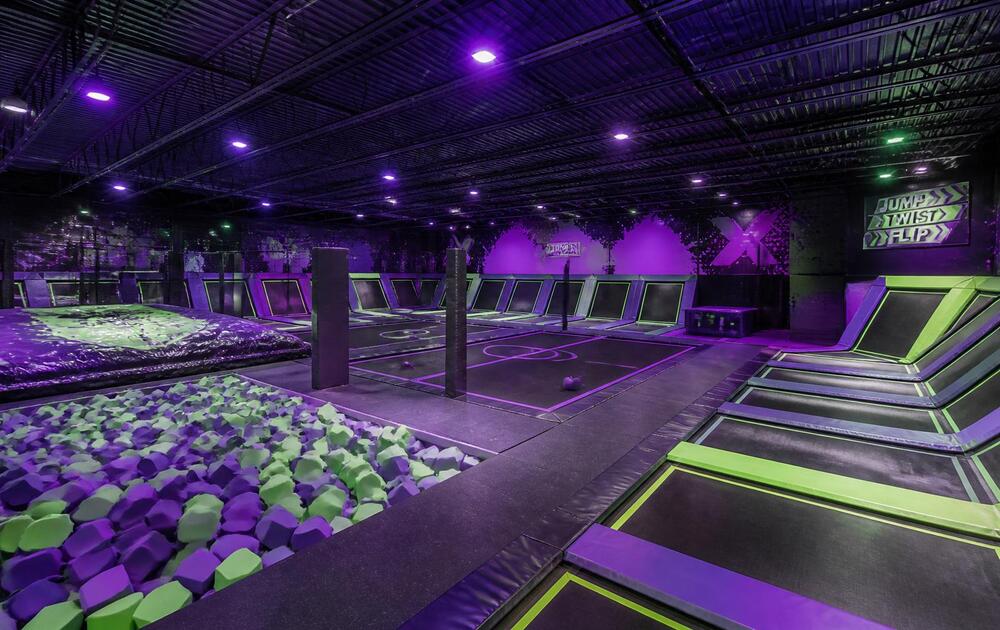
Inspection Schedule
What to inspect, how often, what to keep in writing, and who signs it off.
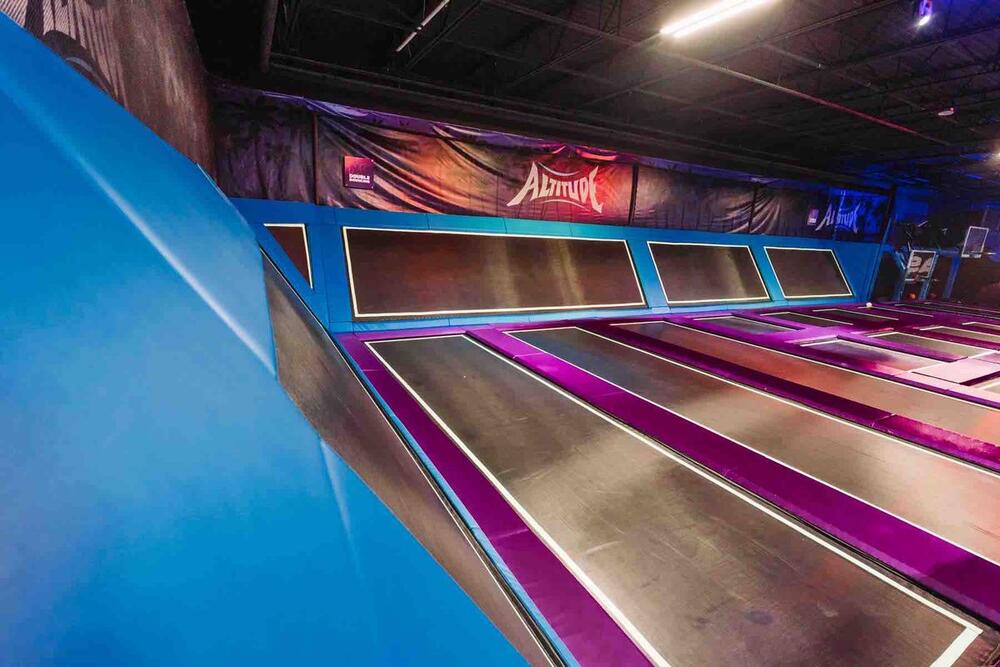
Trampoline Courts
The open play floor, laid out around sightlines and marshalling.
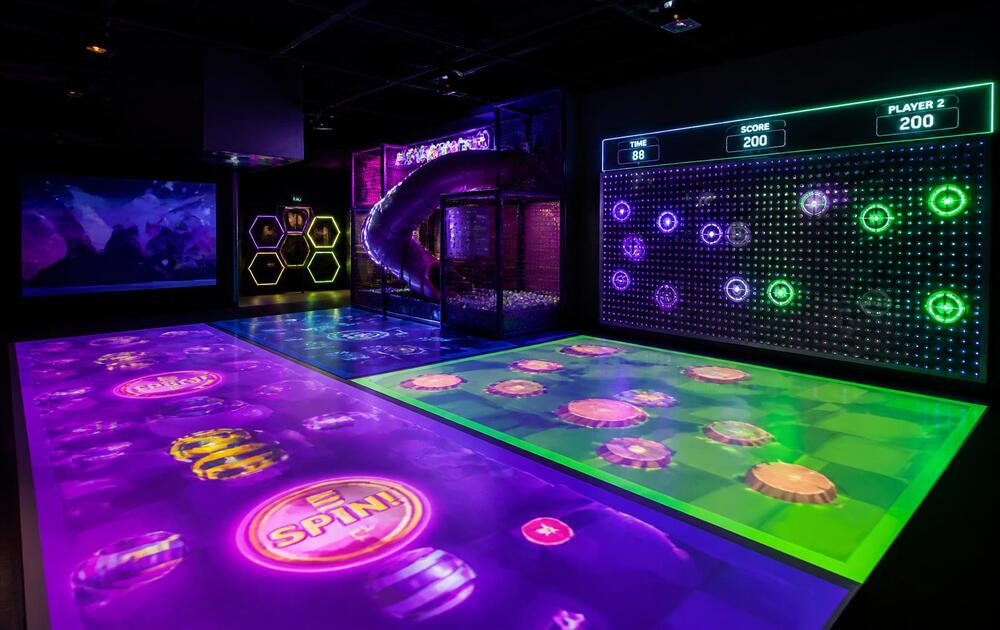
Inspections & Compliance
The documentation your inspector, your insurer and your local authority ask to see before you open.


The next step
Send us your concept, get an estimate
You do not need a signed lease to start. A concept, a rough footprint or a target opening date is enough — we will come back with a line-item estimate, or walk you through it on a complimentary discovery session first.
Talk to somebody
864-477-1126Request an EstimateOr send a floor plan and we will come back with a priced scope.