

Equipment
Climbing & ropes
Walls, traverses and aerial courses — the attractions that buy their floor space from the ceiling. They are also the ones with the most specific rulebook in the building, and the only ones whose standard talks about audits.
The cheapest square footage you own is above your head
Our own guide to building an attraction mix lists it as one of three ways to use a building properly: use the vertical space — climbing walls, slides, multi-level soft play. Climbing is the purest version of that. A wall occupies the surface a building already has, a traverse runs along it, and an aerial course puts circulation in the volume above a floor that is already earning.
It also widens who the park is for. A wall serves a six-year-old and an adult on the same afternoon with nothing changed but the route, which is true of almost nothing else in a park — and it is why climbing turns up in our own writing about ninja courses as one of the three disciplines they borrow from.

What an interactive wall adds to a plain one
Four things, all of them from our own writing rather than from a brochure — and the photograph above is one of ours, of a child reaching for a lit target rather than for the next hold.
The route changes
Repeat climbsOur own writing describes a wall that responds to touch, prompting a climber to reach higher and explore new routes. A plain wall is solved once; a wall that sets the route is a different climb every session.
It knows where they are
An extra layerThe same piece notes that interactive walls often carry sensors that detect a child's position, and calls that an extra layer of safety. It is not a substitute for supervision, and nothing here suggests it is.
Reach, stretch, coordinate
What it buildsDescribed in our own words as encouraging children to reach and stretch and improve coordination — and in the autism guide as proprioceptive feedback, which is the same thing said by someone thinking about sensory needs.
It can be a rock, or a moon
ThemingOur guide to themed builds describes rocky climbing walls built as hollow logs and large trees, and walls made to look like the surface of the moon. A climbing wall is a blank surface before it is an attraction.
The first three are from our piece on interactive playground equipment and the fourth from our guide to themed builds; what the technology is and what to ask a vendor about it is on interactive attractions. One practical note from our seasonal guide that belongs here rather than there: zip lines have moving parts, and summer is when they fail if nobody has lubricated them.
An aerial course has a rulebook written for it
Most of the attractions on this site are covered by a standard written for something broader. An aerial adventure course is not: ASTM F2959, Standard Practice for Aerial Adventure Courses, exists because — in its own words — these courses have unique functional, operational and patron participation requirements compared with amusement rides and devices. The practice then uses the term "Aerial Adventure Course" in place of "Amusement Rides and Devices" throughout.
It comes from subcommittee F24.61, which is the same subcommittee that writes the trampoline court standard this site already explains. And there is one word in its scope that the trampoline standard does not use: alongside design, manufacture, installation, operation, maintenance and major modification, F2959 covers auditing. An audit is a different thing from an inspection, and it is worth knowing which one your course is going to need before you own it.
Everything above is from ASTM's published front matter, read on 21 October 2026. Nothing from inside the document is reproduced here — no height, no load, no clearance — because it is a paid standard and those are the numbers somebody would build to.
- Designation
- ASTM F2959-26a
- Title
- Practice for Aerial Adventure Courses
- Written by
- Subcommittee F24.61
- Book of Standards
- Volume 15.07
Editions run from -12 to -26a. The current one is -26a; anything older that a supplier quotes at you is historical, which is worth checking rather than assuming.
ASTM's listingA climbing wall is a different question again, and the honest answer is to ask which document a given wall was designed and tested against — the soft play standard explicitly excludes sports equipment that is not part of a play system, so a bouldering wall is not in it. Who signs off what, once it is in your building, is on inspections & compliance. None of this is legal advice.
Inside Climbing & Ropes
4 pages
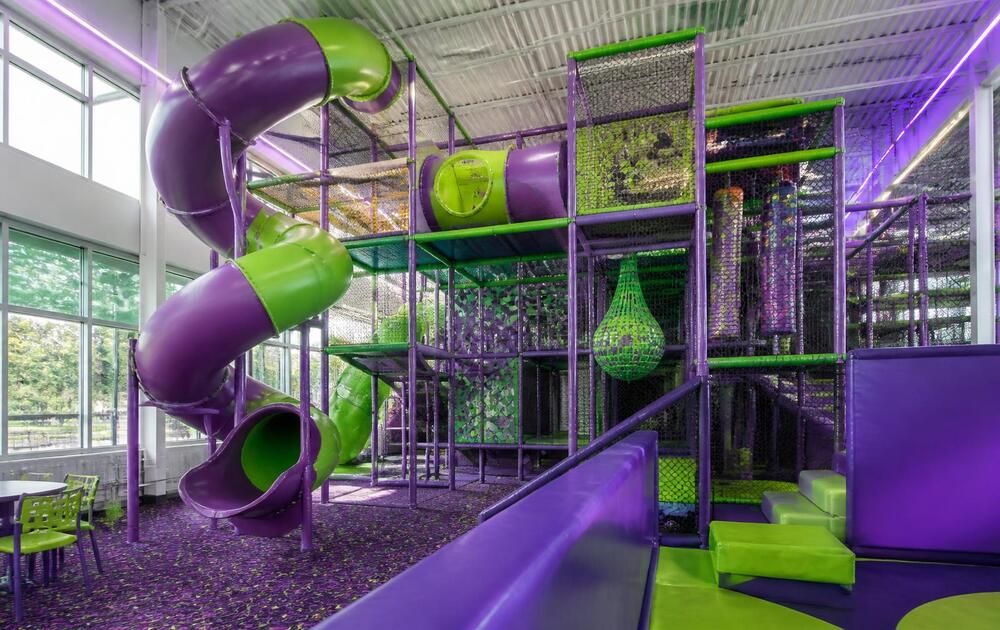
Climbing Walls
Bouldering and auto-belay walls sized to the clear height you have.
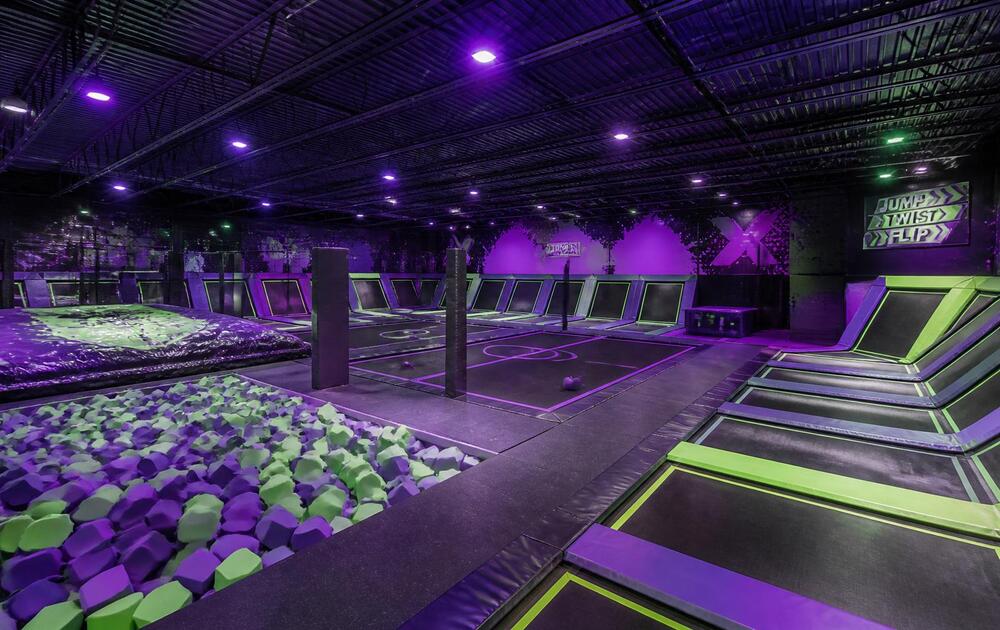
Ropes Courses
Multi-level rope courses that put circulation above the floor plan.
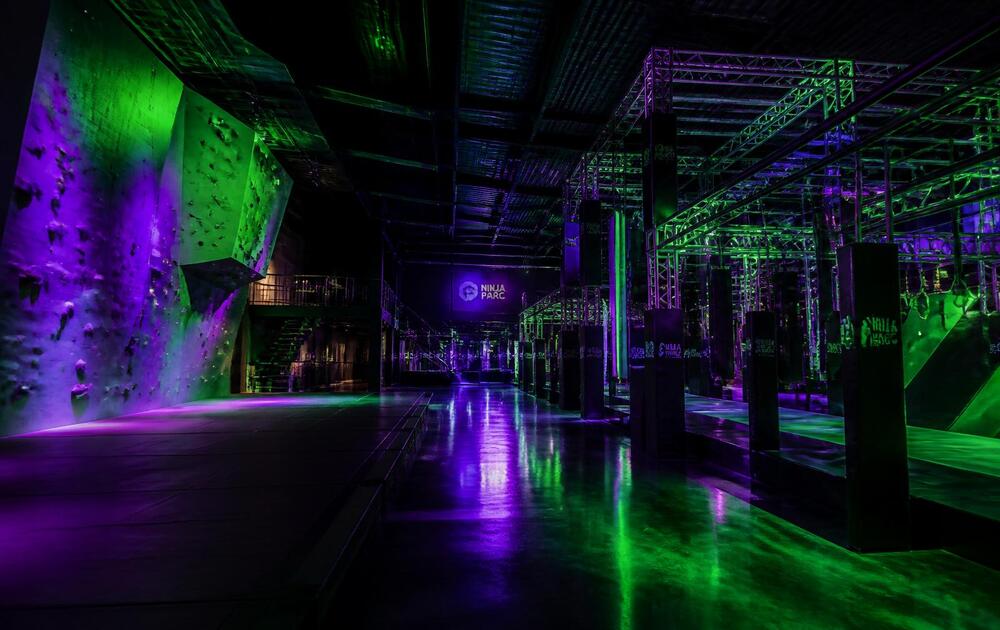
Ninja & Obstacle Courses
Timed runs that turn a visit into a competition, and bring the same people back to beat it.
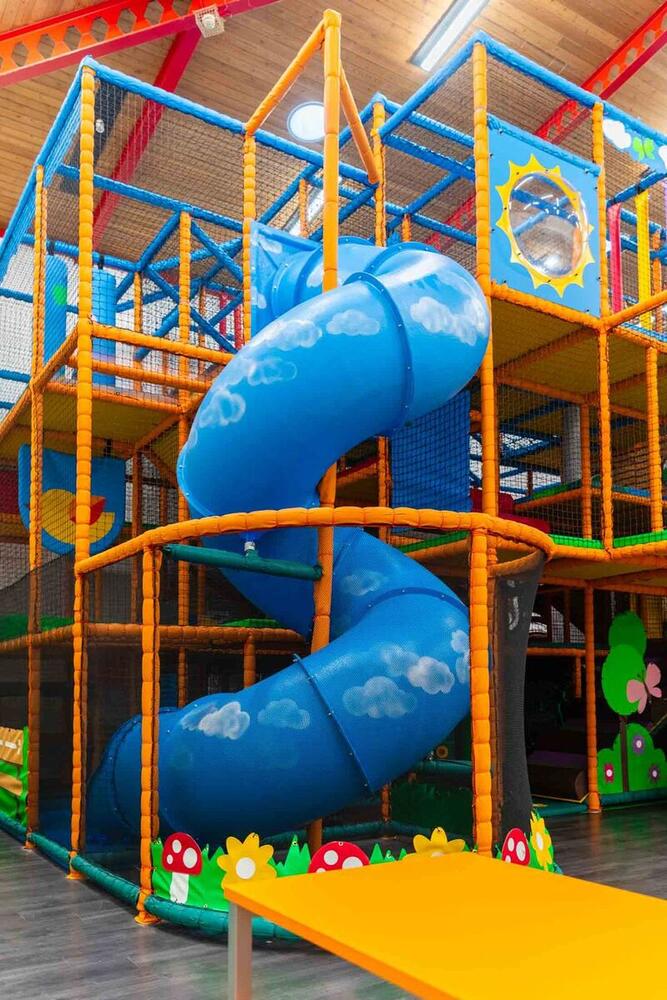
Climbing Structures
Multi-level frames, nets and tunnels that use the ceiling you already have.


A climbing cage we have built
The next step
Send the building, get a line-item estimate
Footprint, ceiling height and opening target is enough to start. You get a priced scope, not a brochure.
Talk to somebody
864-477-1126Request an EstimateOr send a floor plan and we will come back with a priced scope.