

Safety & Standards
Every attraction comes with its own inspection schedule
The manual that arrives with the equipment is the document your schedule is built from. What your state asks for, and what your insurer asks for, go on top of it — which is why no page can hand you a finished checklist.
Risk management and equipment inspections
All equipment in your facility will require inspections and maintenance. Each and every attraction will come with an operations manual and an associated manufacturer's inspection checklist.
Next Level Parks recommends implementing a system to electronically combine these checklists for ease of use — there are several to choose from.
The importance of following the manufacturer's inspection requirements cannot be overstated. If a daily inspection is required, do not skip it unless you are closed for operations that day.
Where your actual schedule comes from
The manufacturer's manual
The actual source. It names the wear parts, the intervals and the checks for the equipment you own — not for equipment like it. If a warranty is ever argued about, this is the document the argument is about.
The practice
ASTM F770 puts operation, maintenance, inspection and training on the owner/operator. It is five pages long, which tells you what it is for: it establishes that you must and who must, not what to look at.
Your state's law
Where a state regulates, it sets the annual date, who may sign, and what has to exist in writing. Yours may say something else entirely, including nothing.
Your insurer
Frequently the strictest of the four, and the one that asks for the paperwork first. A policy can require a schedule the law does not, and it is the one with money attached to the answer.
There is no fifth document, and in particular there is no generic checklist that covers your building. Anyone handing you one without having read your manuals is giving you something to show an inspector that the inspector did not ask for. F770-26 is the current edition — worth saying, because the editions search engines offer first are several revisions behind, and one of them is marked historical.
What to keep, and who can sign it off
Where a state regulates trampoline parks, the inspection covers your records as much as your equipment. These are the documents to have in place and current as a matter of best practice, whether or not your state asks for them by name.
An annual inspection. Of the facilities and of the records, at least once per calendar year.
Proof of repair. Evidence that every attraction is maintained in good working order.
An emergency response plan. In place, current, and known to the staff on shift.
Your logs. Maintenance, inspection, staff training and injury logs, all kept current.
Insurance in force. A current policy, available on request.
The inspector's report. A written report at the end of the inspection, and a certificate recording the result.
Who is allowed to sign an inspection is usually broader than operators expect — certification by a body that publishes consensus standards or promotes trampoline park safety, a representative of your own insurer, an accredited organization that inspects amusement facilities and trains inspectors, or the national governing body for the sport. This page is an explainer, not legal advice, and your state's amusement device authority is the only one that can tell you which of it applies to you.
Who does this with you
4 pages

Inspections & Compliance
The documentation your inspector, your insurer and your local authority ask to see before you open.
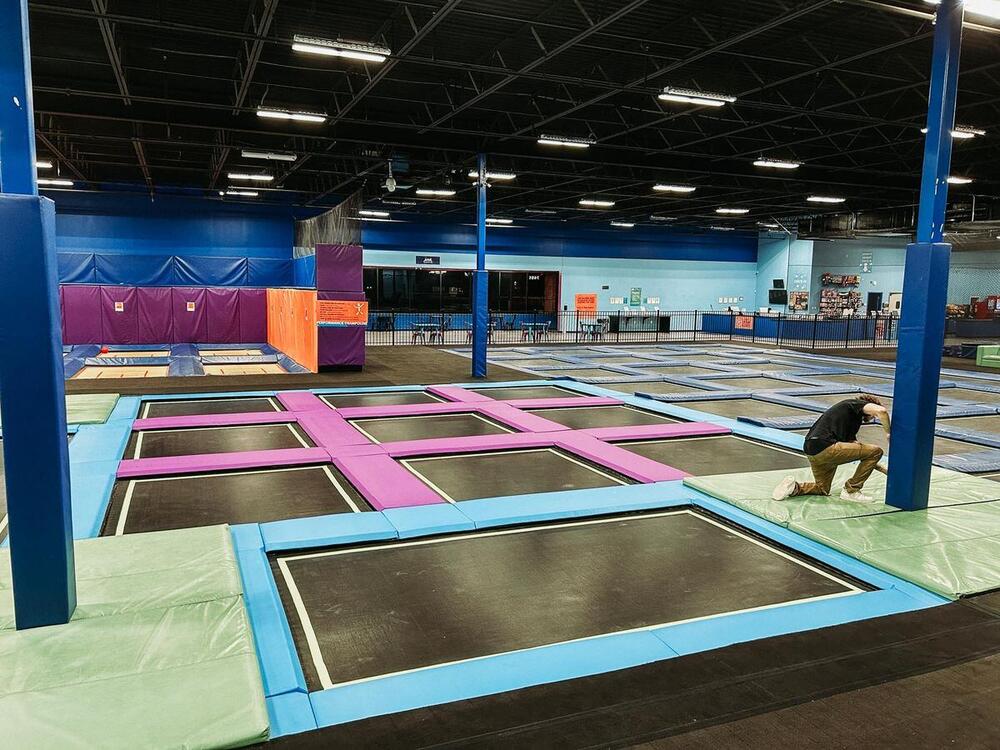
Maintenance
Parts, service calls and scheduled maintenance from a US-based team, for the life of the attraction.
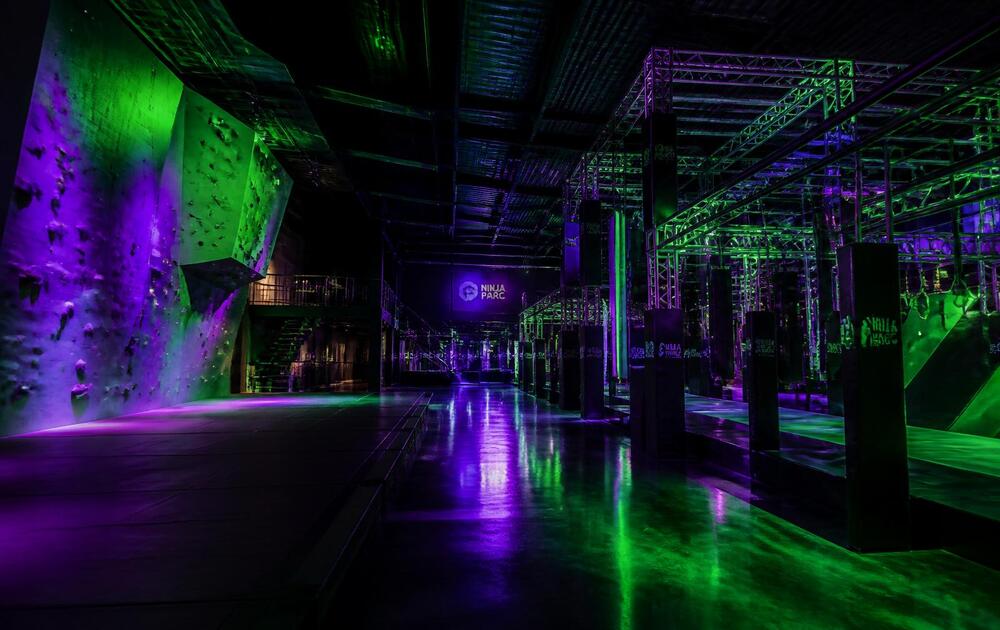
ASTM F2970 Explained
The trampoline court standard, in terms an operator can act on.

Soft Play Standards
The soft play standards covering structure, padding and entrapment.


The next step
Send the building, get a line-item estimate
Footprint, ceiling height and opening target is enough to start. You get a priced scope, not a brochure.
Talk to somebody
864-477-1126Request an EstimateOr send a floor plan and we will come back with a priced scope.