

Safety & Standards
What soft play is built to
One specification governs soft contained play in the United States. This is what is in its thirteen sections, the age band it is written around, and the four things it leaves to somebody else's document.
Written around a body, not a birthday
Its full name is the Standard Safety Performance Specification for Soft Contained Play Equipment. Soft contained play is the trade's name for the padded, netted structure a child climbs through, and contained is the operative word in all three.
The age range is the part worth knowing before anybody draws a layout. It is not stated as two to twelve. It runs from the 5th-percentile two-year-old to the 95th-percentile twelve-year-old — the smallest two-year-old and the largest twelve-year-old you would reasonably expect through the door. Openings, gaps and heights are set against those two bodies, not against the average of them.
What the specification says it is for is narrower than people assume, and worth being plain about: it exists to reduce the potential for life-threatening and debilitating injuries. A standard-compliant structure is not a structure nobody gets a bruise in.
- Designation
- ASTM F1918-21
- Published by
- ASTM International
- Written by
- Subcommittee F15.36
- Length
- 36 pages
The current edition replaced F1918-12(2017); before that came -12, -10, -04 and -98. As with any specification, which edition a structure was built to is a fact about the year it was made, not about how good it is.
The specification itself, from ASTMWhat is actually in it
The structure
What it is made of and whether it holds up — the sections a structural engineer and a buyer are both reading.
- 4 — General Requirements
- 5 — Materials and Manufacture
- 10 — Structural Integrity
The play in it
How the equipment has to perform, what counts as equipment, and the floor around the outside of it.
- 6 — Performance Requirements
- 8 — Equipment
- 9 — Areas Outside Equipment
Getting out
Three sections, and the two most people are surprised to find in a play standard at all.
- 7 — Requirements for Access/Egress
- 12 — Fire Safety
- 13 — Evacuation
Afterwards
One section — and it is the one that decides whether the other twelve still hold in year three.
- 11 — Maintenance
The three not listed are the scope, the referenced documents and the terminology, and there is an annex of figures at the back. Fire safety and evacuation are the ones to sit with: a soft play frame is a structure children are inside and adults are not, and getting them out of it is a design problem before it is a drill. It is also the part of the document a fire officer is most likely to have read.
What it leaves to another document
Half of knowing a standard is knowing where it stops. F1918 is written for the soft contained structure and nothing else in the room:
Public playground equipment — the outdoor kind, which has its own specification and its own free CPSC handbook.
Home playground equipment, and toys and juvenile products.
Sports equipment, and fitness equipment that is not part of the play system.
Amusement rides, which is where trampoline courts and the rest of the attraction mix go.
Water-related attractions and devices.
Two gaps are worth naming rather than glossing. F1918 does not address accessibility, except where a safety issue is not already covered by the ADA accessibility guidelines — so an inclusive design is a separate piece of work and not a by-product of compliance. And the age band starts at two: the ASTM specification for six to twenty-three months excludes soft contained play equipment by name, which means the under-twos in a toddler area sit between two scopes. That is a question to settle at design, in writing, rather than at inspection.
The other documents, and what each is for
ASTM F2373-24
Public use play equipment for children 6 months through 23 months — the band below F1918. Read its scope before you lean on it: it names soft contained play equipment as something it does not cover.
ASTM F2373-24BS EN 1176-10:2023
The European and UK document for fully enclosed play equipment, installed inside or outside a building. It comes from CEN, lands in the UK through BSI committee SW/65, and sits in the EN 1176 series — Part 1 carries the general requirements, and the companion EN 1177 deals with impact attenuating surfacing and critical fall height.
BSI's listingCPSC handbook
The Public Playground Safety Handbook is free, which is why it is the one that gets cited at you. It is about public playgrounds — the outdoor equipment F1918 explicitly leaves out — so it is useful background and the wrong document to specify soft play against.
Public Playground Safety HandbookASTM F2970-25
The trampoline court standard, which matters the moment the building holds both. A mixed venue is not covered by one document: each attraction is specified, inspected and signed off against its own.
Our explainerNo dimensions appear anywhere on this page, deliberately. Entrapment bands, fall heights and attenuation thresholds are exactly the numbers somebody would act on, they sit behind a paywall, and the versions circulating on supplier blogs do not agree with each other. ASTM publishes standards; it does not operate a certification scheme or issue a mark, so conformity is something demonstrated by testing. The question that gets a useful answer from anyone, ourselves included, is which standard, which edition, and who tested it. The FAQs say where our equipment is made and to what. This page is an explainer, not the specification, and not legal advice.
Read these alongside it
4 pages
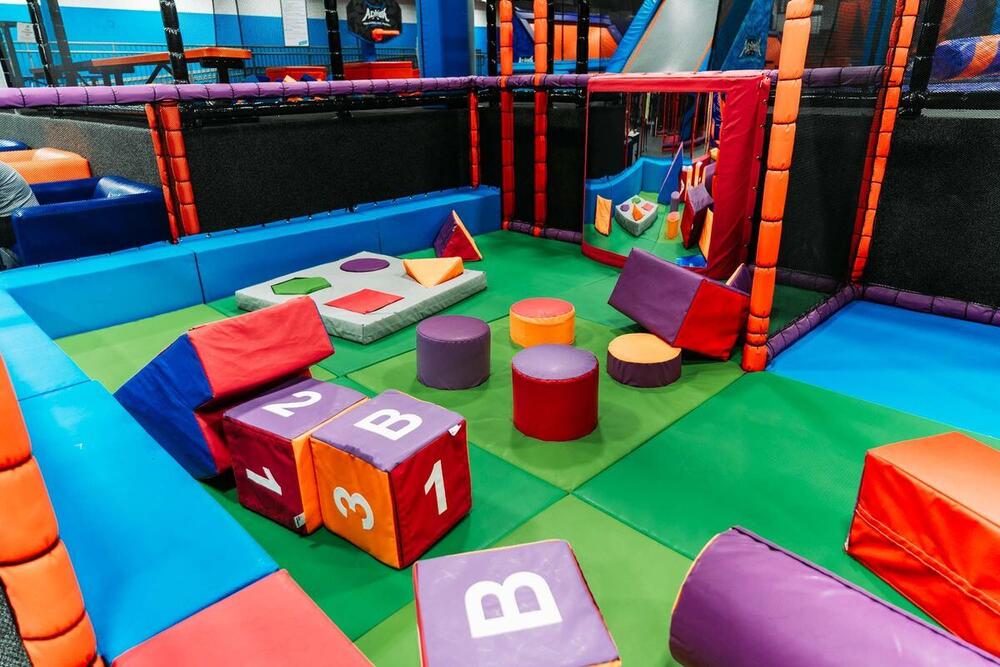
Soft Play Equipment
With over 25 years of experience in indoor soft play equipment, Next Level Parks has the expertise to design…
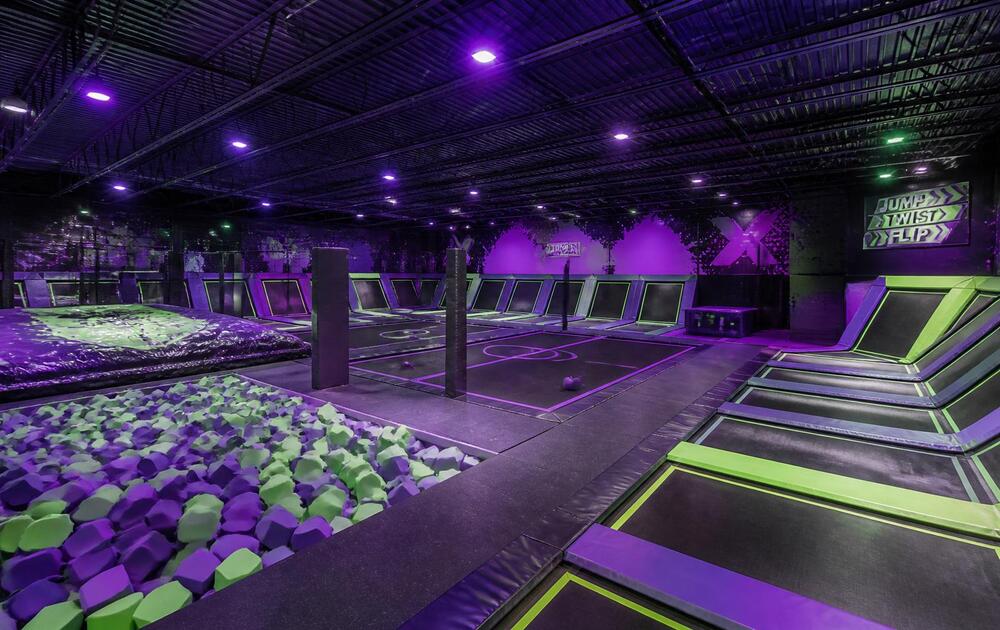
Accessible & Inclusive Play
Designing so that every child in the room can use the attraction.
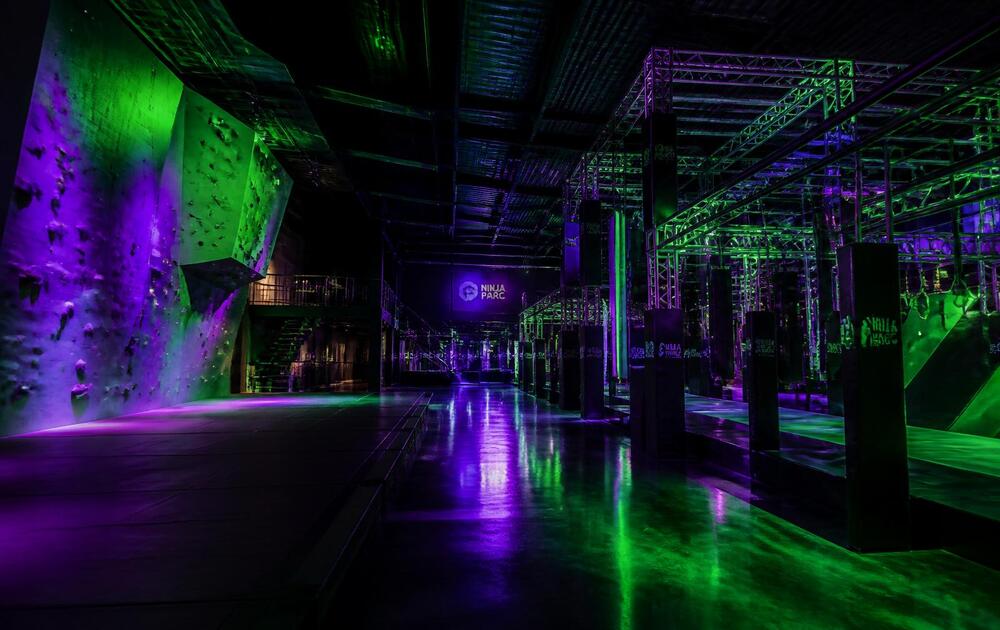
Inspection Schedule
What to inspect, how often, what to keep in writing, and who signs it off.
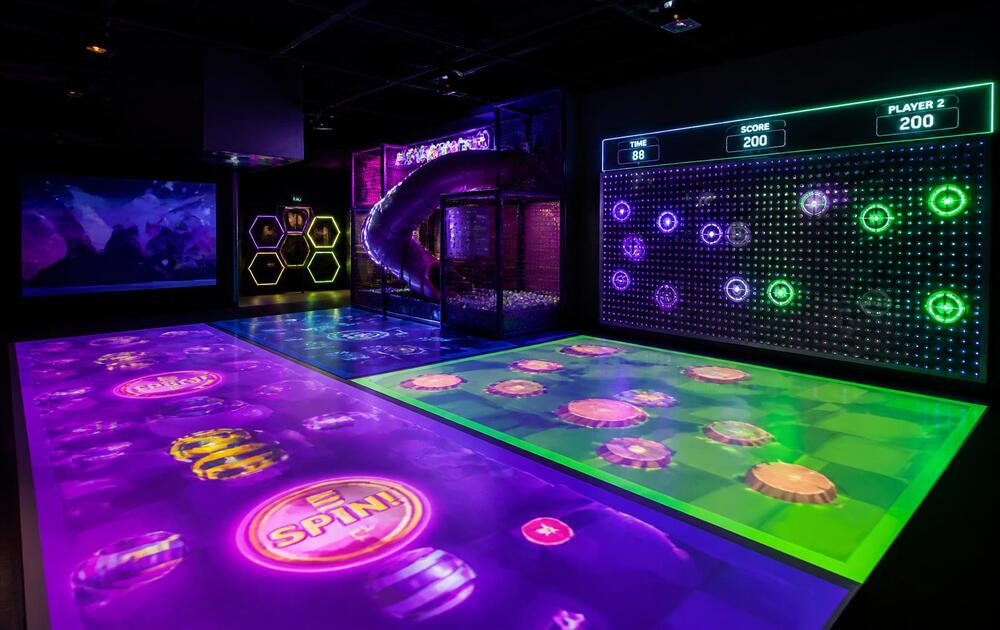
Inspections & Compliance
The documentation your inspector, your insurer and your local authority ask to see before you open.


The next step
Send the building, get a line-item estimate
Footprint, ceiling height and opening target is enough to start. You get a priced scope, not a brochure.
Talk to somebody
864-477-1126Request an EstimateOr send a floor plan and we will come back with a priced scope.