

Cost guides
Trampoline park cost
The most capital-intensive format on this site, and the only one we publish any range for at all. Here is that range, where the money goes, and our own advice on not spending more of it than you need to.
Hundreds of thousands to millions, and why that is the honest answer
That phrase is ours. Our own financing guide says the average cost to launch a trampoline park ranges from hundreds of thousands to millions, depending on size, location, design and amenities — and it is the only cost statement we make anywhere on any page.
It is carried here because it is published, because it is theirs, and because a range that wide cannot be budgeted against wrongly. Narrowing it would be the mistake: a figure precise enough to plan with is a figure wrong for every building except one, which is the reasoning set out in full on the cost guides index — along with the eight categories a build divides into and the eight questions that make two quotes comparable.
Two figures from the same post live on that index rather than here, so they are not repeated: a facility of 20,000 to 40,000 square feet, and equipment at 40 to 50 percent of total startup cost. Both are ours. Everything below is the part of the post the index does not carry.
Structural modifications
TheirsOur own list names them first: a trampoline park often needs the building changed rather than decorated. What a frame anchors to, and what the roof will carry, are engineering questions before they are budget lines.
Flooring, electrical, HVAC
TheirsNew flooring, upgraded electrical and HVAC improvements, in our own words. A room full of people jumping is a heat load and a power load that an empty warehouse was never specified for.
Safety systems
TheirsNetting, railings and signage that meet industry standards — and the sentence that makes this line different from every other one: insurance companies will often require proof that compliant systems are installed before they issue coverage.
Working capital
TheirsPayroll, utilities and daily operations for the first months, until the park reaches profitability. Our own guide lists it as an expense rather than as a cushion, which is the right way round.
The third of those is the one with a deadline on it, and that part is ours: because an insurer often wants proof of compliant systems before issuing coverage, netting and railings are not a line you can defer to phase two — no coverage, no opening. ASTM F2970 is the standard behind them, and the inspection schedule is what keeps the proof current.
Most owners use a mix, which is our own observation
Our own five, in our own order. The phrase that matters is in the post's own heading: most owners use a mix of funding sources rather than one.
Bank and SBA loans
TheirsTraditional term loans or SBA. Our own note is that SBA 7(a) is especially attractive for this format, because of the longer repayment terms and the lower down payment.
Equipment financing
TheirsFinanced separately, because the equipment is expensive. Loans or leases spread the payments over several years and free up capital for everything else on this page.
Private investors
TheirsEquity for capital. Our own advice is to arrive with a professional business plan and realistic revenue projections — the word realistic is theirs.
Franchising
TheirsAn established franchise may bring preferred financing partners, bulk purchasing discounts and a proven model. We name it as an option rather than recommend it.
Crowdfunding
TheirsNot enough on its own, in our own words, but a supplement — particularly where there is something to offer, like early-access passes or branded merchandise.
From our own guide to financing a trampoline park. The playground cost page carries a fourth route this list leaves out — sponsors and grants — and the borrower thresholds that go with it: a credit score, a cash percentage and a three-year projection. Financing is the service page. None of this is financial advice.
Our own advice, including the part that costs us money
The list beside this is the most actionable thing in our entire library, and the first item on it is a manufacturer telling you to go and get four other quotes. Three to five reputable suppliers is our own number, and it is worth noticing that we published it.
The item most likely to save you money is the third: negotiate payment terms tied to construction milestones rather than paying up front. That is ours to point at rather than ours to claim — it protects the buyer's cash, it keeps a supplier honest about dates, and it is the single sentence on this page a reader should take to a negotiation.
On turnkey, our own argument is careful: the price tag may look higher at first, and the saving is in reduced coordination delays, avoided hidden fees, and everything being built to standard the first time. That is us describing our own offer, so read it as such — design, manufacturing and installation are the three pages that make up the claim, and a reader is entitled to test it against three separate suppliers instead.
- Request multiple quotes — our own number is three to five reputable suppliers
- Look for package deals bundling trampolines, foam pits, padding and accessories
- Negotiate payment tied to construction milestones rather than all up front
- Buy in bulk where the unit price drops, and use local vendors to cut shipping
- Take competitive bids from contractors with proven experience in this format
- Price a turnkey provider against the alternative, not against its own sticker
What you are buying with the biggest line of all is on trampoline equipment: the main court first, then the airbags or foam pits at its edge and a ninja course beside it. How much floor each one should take is a planning exercise rather than a shopping list, and our own attraction mix post is behind it.
The costs that arrive every month, in this format specifically
A trampoline park has two recurring lines that a softer format does not. Pads, netting, beds and springs are a replacement schedule, not a repair budget — the part of the building touched most and photographed least, and the part an inspector spends the most time on. Maintenance and the inspection schedule are where that routine lives.
And marshals. Our own operating cost list for this format names court monitors, and how many you need is decided by the sightlines in the layout rather than by the size of the park — which makes it a design decision with a payroll consequence, and a training one before opening day.
The revenue side of the same arithmetic is in the guide to starting a trampoline park, and the payback calculator is where both sides meet with your own figures in the fields. If the building already exists and is trading, retrofit and upgrade cost is the version of this page that applies. The sector page is trampoline parks, the case for the format is in our post on why it keeps growing, and a feasibility conversation is where a site gets tested before any of this is committed. The opening guide covers the rest.
The other cost guides
3 pages


Where the number gets settled
4 pages
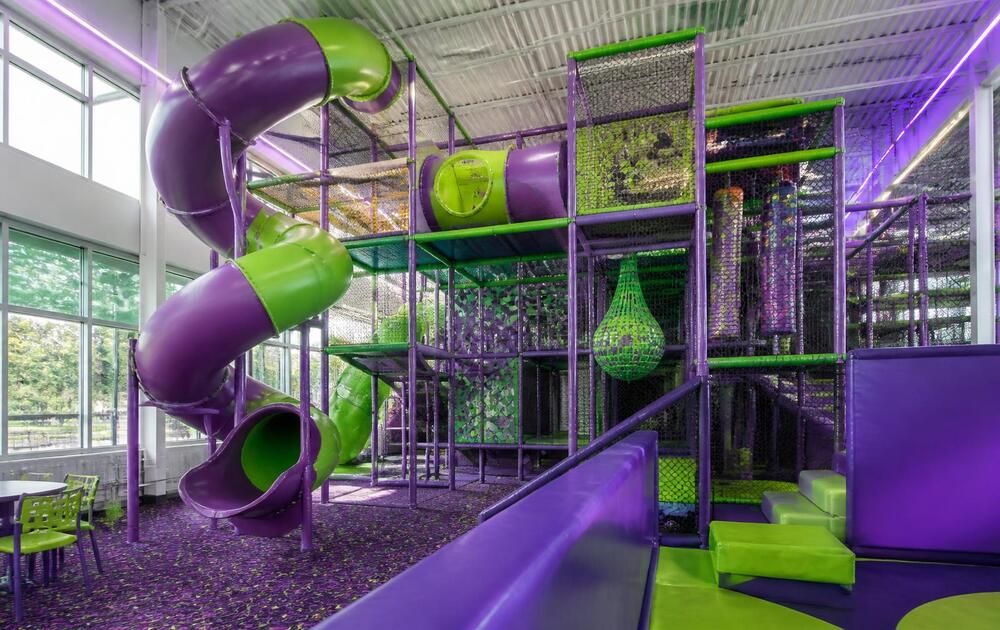
Financing
Equipment financing and lease options, so an attraction can be paid for out of what it earns.
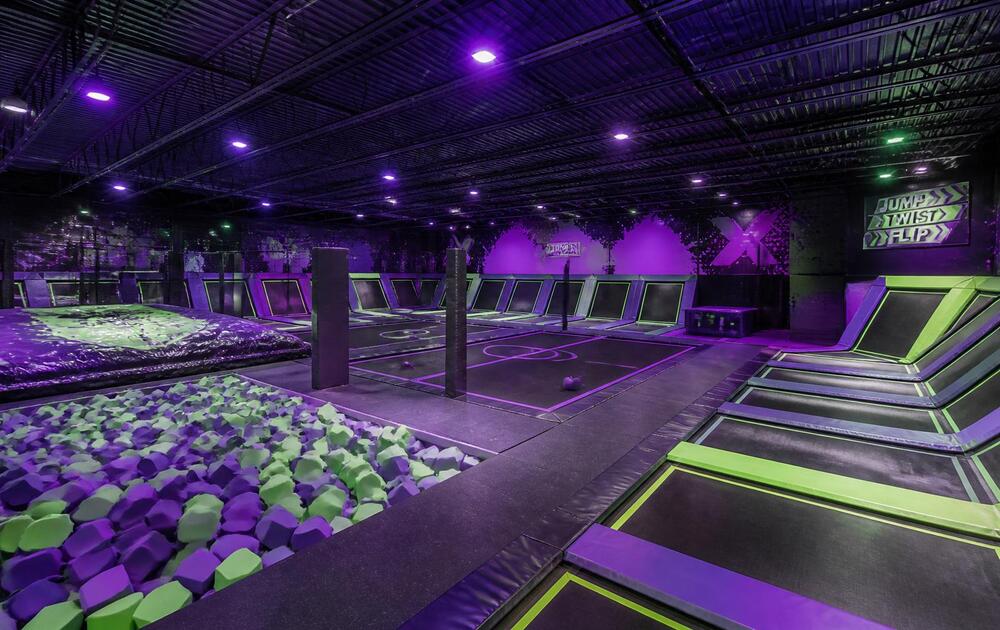
How to Start a Trampoline Park
Site, equipment, permits and staffing for a new trampoline park.
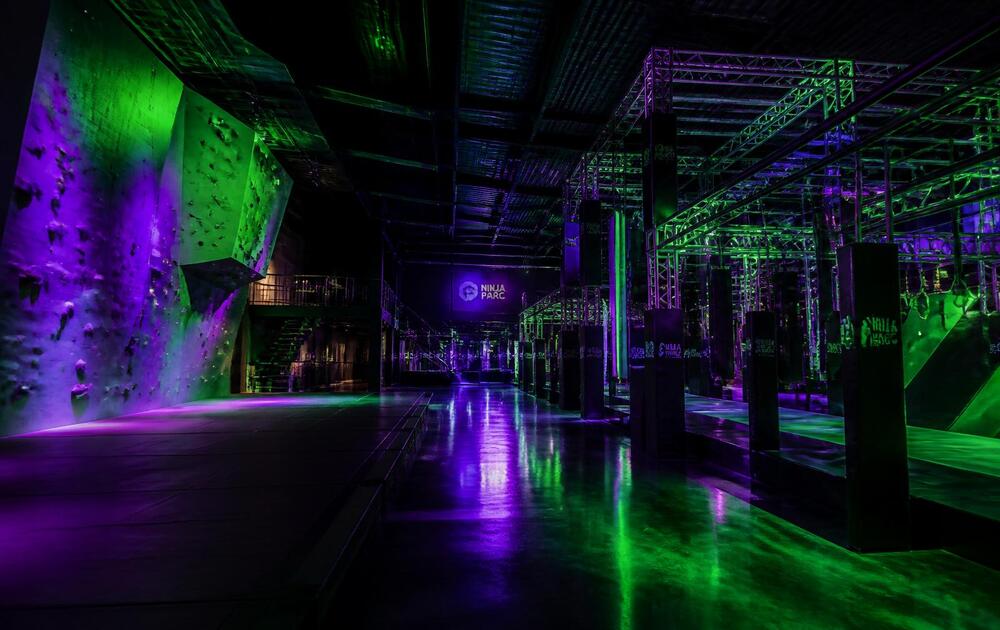
ROI & Payback Calculator
Footprint, ticket price and opening hours set against what a build costs.
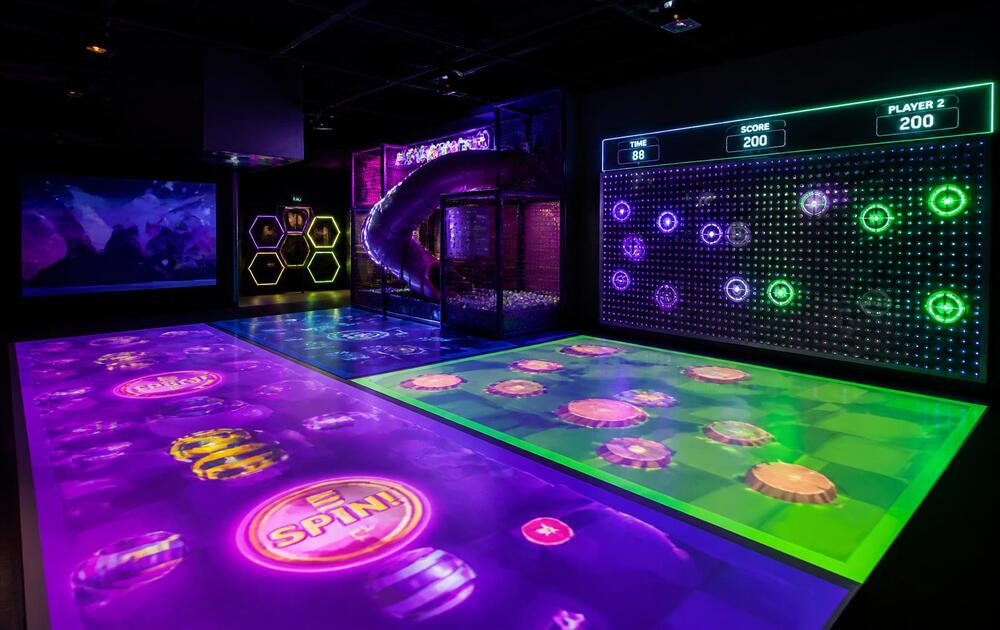
Trampoline Equipment
Courts, airbags, foam pits and tumble tracks, built for daily commercial use.

The next step
Send the building, get a line-item estimate
Footprint, ceiling height and opening target is enough to start. You get a priced scope, not a brochure.
Talk to somebody
864-477-1126Request an EstimateOr send a floor plan and we will come back with a priced scope.