

Equipment
Scoring & gamification
The layer that turns an obstacle into a game: pods that light, a system that counts, and a number at the end worth coming back to beat. It runs on a wall, a court, a track or a whole course.
What the system is actually doing
Our own explainer describes the loop in more detail than most suppliers publish. Touch-sensitive pods light up at random through the structure. A player reaches one and strikes it; the hit registers, the pod makes a sound and reports to a central scoring system, and another pod lights somewhere else. Large displays carry the score, the time remaining and the rankings.
The part worth noticing is how it knows whose point it was: wristbands, or an assigned color linked to the pods. That one detail decides more about the attraction than the pods do — it is the difference between a game anyone can walk up to and a game that knows who is playing.
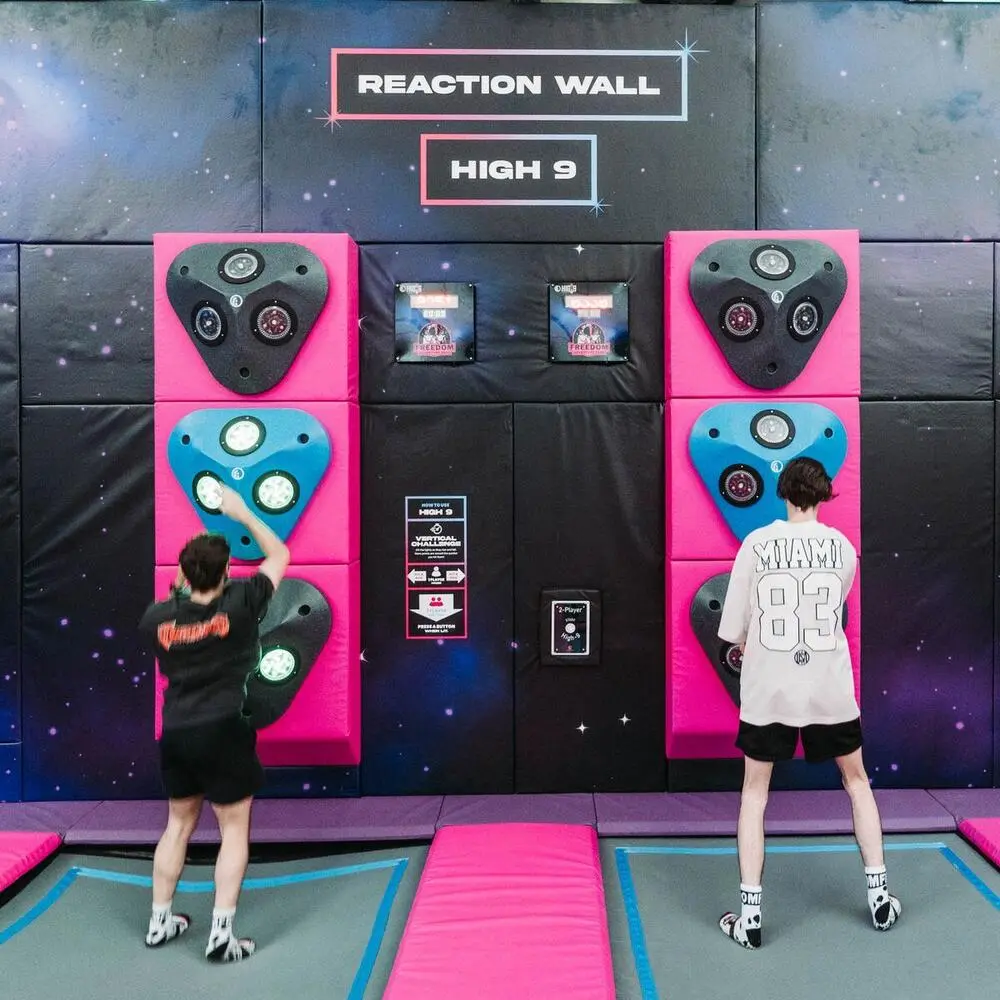
Scoring is bought with an attraction and decided separately, which is why it has its own page. The same layer sits on a reaction wall, a multi-sports court — our key elements guide puts digital scoreboards and motion sensors on a court specifically — a tumble track, or a whole strike arena. The description above is from our explainer on how one works.
The same hardware, playing four different games
Modes are what keep the attraction from being solved. Our explainer sets out the range — speed, reaction, team battle, strategy — and makes the operator's point about it: different modes let one attraction serve different group sizes, skill levels and event types.
Speed
ModeHit as many pods as possible inside sixty seconds. The simplest mode, the one everybody understands without being told, and the one a queue moves fastest on.
Reaction
ModeA test of how fast a player answers rather than how many they reach. Short, repeatable, and the mode that flatters a visitor who is not especially fit.
Team battle
ModeTeams chase their own color of pod. Our own explainer is specific about how the system tells them apart: wristbands, or an assigned color linked to the pods.
Strategy
ModeModes where the right order matters more than raw speed. These are what stop a regular getting bored of the attraction in their fourth visit.
And the reason any of it works is in our guide to ninja courses: a clock gamifies the experience, and that keeps people coming back to beat their previous time or master one obstacle. A park without a number at the end of the run is asking people to come back for the same visit twice.
A scoreboard decides more than you expect
These three come with the system rather than with the structure, and all three are cheaper to answer before it is specified. The middle one is the one nobody raises in a sales meeting.
Who the score belongs to
Wristband or color
Anonymous play needs nothing but a color. Named play needs a wristband, a login or a kiosk — and the moment a score has a name on it, your front desk is running a registration process on a Saturday afternoon.
How long it lasts
Session or forever
A board that clears at close is a game. A board that remembers you is an attraction people come back to beat, which is the whole argument for buying one — and it also means the park is keeping something about a child between visits. Ask what is stored, for how long, where it is hosted, and whether names appear in public.
What a play costs
The pricing decision
Our own writing says a scored attraction can justify premium pricing or a higher-tier package. That is a choice between four models — included, timed, sold per play, or bundled — and it is worth making before the system is specified, because not every system supports all four.
That second one is not legal advice and this page will not pretend to give any — what a park may keep about a child, and for how long, is a question for your own counsel and your own privacy notice. The point is only that a leaderboard which remembers people is a different purchase from one that does not, and the time to find out which you are buying is before it is installed. The rest of what to ask a vendor is on the interactive attractions page.
What the scoring runs on
4 pages
Strike Arena
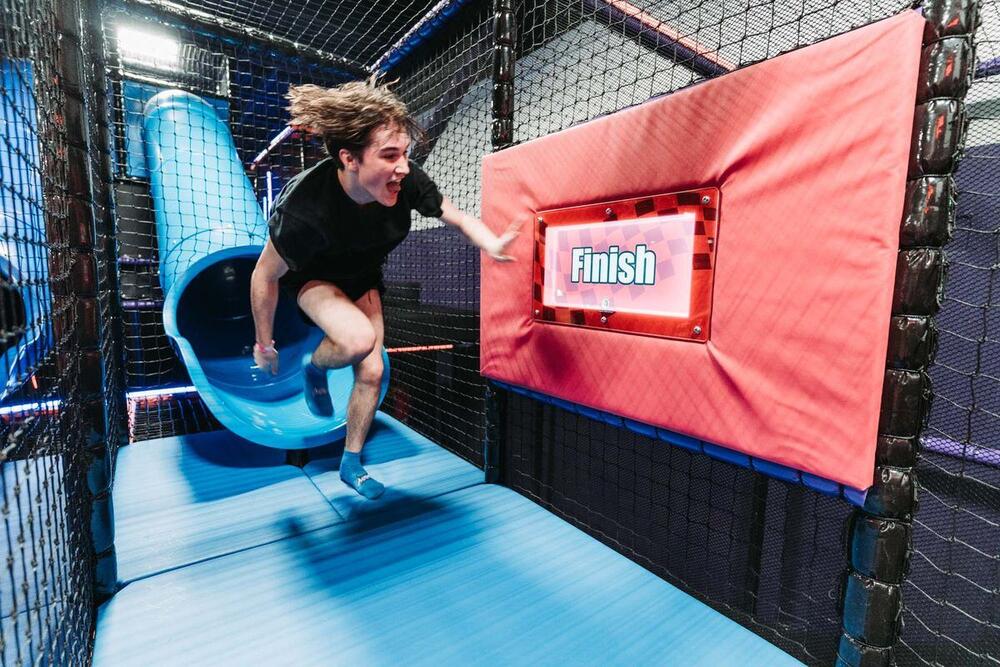
Strike Arena is an interactive game where players can run, climb, and crawl through obstacles to earn points.
Interactive Walls & Floors
Projection and sensor play that turns a wall or a floor into the attraction.
Ninja & Obstacle Courses
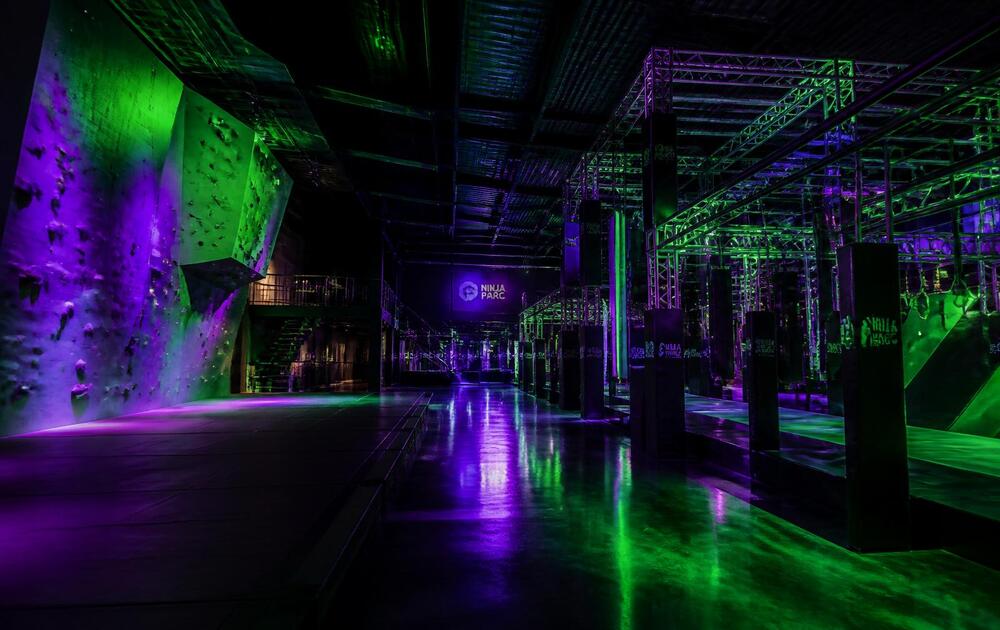
Timed runs that turn a visit into a competition, and bring the same people back to beat it.
Interactive Attractions
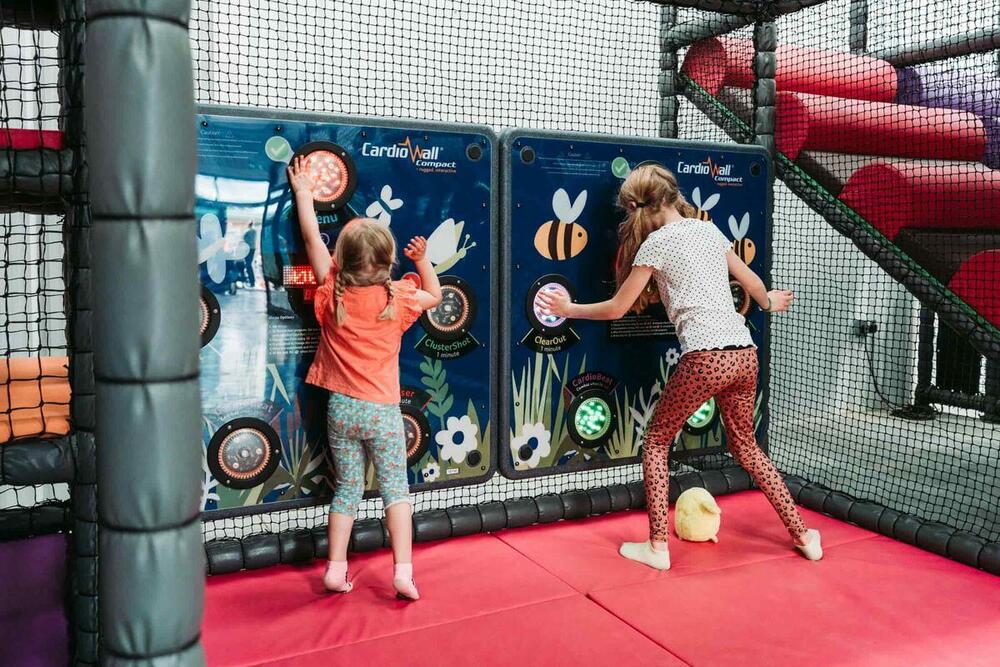
Seeking to captivate the tech-savvy generation and enhance your existing attractions?


The next step
Send the building, get a line-item estimate
Footprint, ceiling height and opening target is enough to start. You get a priced scope, not a brochure.
Talk to somebody
864-477-1126Request an EstimateOr send a floor plan and we will come back with a priced scope.