

Equipment
Ninja & obstacle courses
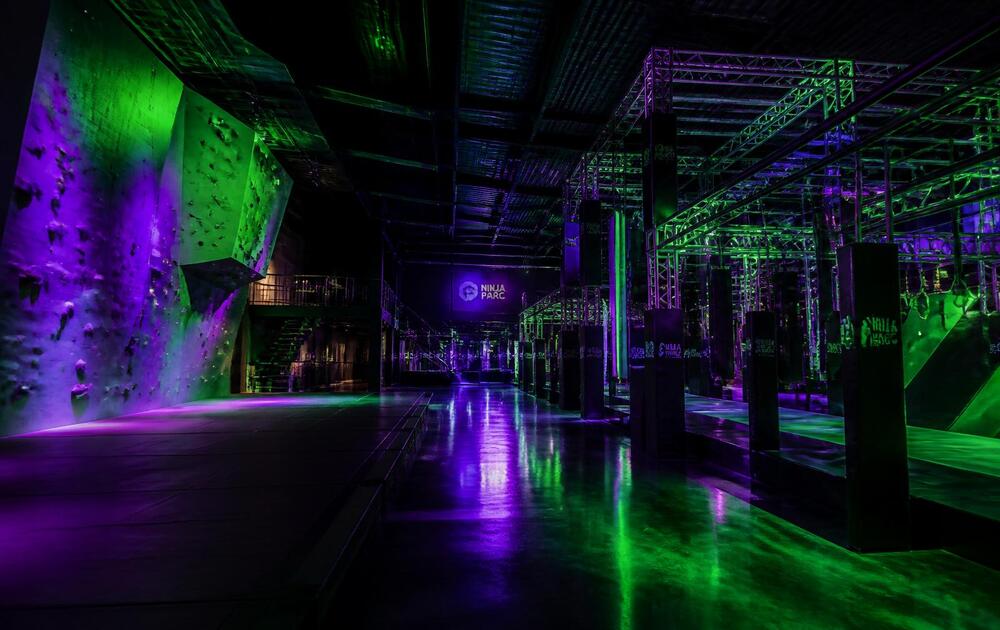
A modular track built around one rule: get from one end to the other without touching the floor. It is the attraction adults will queue for, and the one that is as much structural engineering as it is play equipment.
A fitness track that does not feel like one
Our own guide describes a ninja course as a modular, multi-disciplinary fitness track built to test strength, agility, balance and mental fortitude — a hybrid of gymnastics, parkour and rock climbing, where the goal is moving from one point to another without touching the floor. It gamifies the workout, and that is what brings people back to beat a previous time or finally clear one obstacle.
The commercial shape of it follows from being modular. A course can start as a foundational track and grow with the membership; it can run a junior lane and an elite one off the same structure; and it fills birthday parties, corporate team-building and local leagues rather than only open play. Very little else in a park serves a nine-year-old and their parent on the same afternoon.

How the course is laid out is on another page of ours. Ceiling clearance, the order obstacles should come in, running a beginner lane beside an advanced one, and putting a visible clock at the end of it are all set out on the strike arena page, because they are what a scoring layer needs underneath it. All four come from the same guide as this page.
The obstacles, so you can ask for them by name
Five our own guide names as the core of a modern course. Knowing the vocabulary is most of being able to specify one — every quote reads differently once you can say which obstacles you want and which you do not.
Warped Wall
The finisherA curved vertical wall sprinted up to reach a high platform. Our own guide calls it the most iconic feature and says what it is really for: the ultimate finisher, and the photograph everybody takes.
Salmon Ladder
Upper bodyA bar hopped up a series of notches. One of the two obstacles our guide names for upper-body challenge, and the one that separates the people who have been practising from the people who have not.
Ring Tows
Grip and rhythmRings carried along a rail. Our guide describes it as a test of grip strength and rhythm — rhythm being the part a first-timer does not expect and the reason it is worth a second attempt.
Quintuple Steps
PrecisionAngled steps crossed at speed. Named in our guide alongside balance beams as the agility half of a course, which is what keeps it from being only an arm workout.
Balance Beams
PrecisionThe other half of that pair, and the obstacle that most rewards the younger or lighter visitor. A course of nothing but hanging obstacles is a course for teenagers and adults only.
And the maintenance of interest, which is a purchase decision: our guide recommends swappable holds and adjustable heights, because a course that stays the same for too long loses the regulars who were its best customers. Ask at the quote stage what can be changed later without a crane.
This one is engineering before it is equipment
Soft play sits on the floor. A ninja course hangs off the building, and people fall off it on purpose. Our own guide is more direct about that than a sales page usually is, so this band is mostly quotation.
It hangs off the building
A ninja course is a load path, not a floor plan. Our own guide says it plainly: these experts understand the load-bearing requirements of truss systems, and they produce CAD drawings so a building owner can see how the equipment sits inside the architecture.
The floor is engineered too
The guide is specific about the environment around the obstacles: deep foam pits, high-impact landing mats, netted safety zones. The surfacing is not an accessory to a ninja course — it is half of it.
Do not build it yourself
Our own writing advises against a DIY course for commercial use, because the liability and engineering requirements are too complex for anything but professional execution. That is a supplier telling you in print not to take the cheaper route.
Ask for the certifications
The same guide says to choose a supplier who prioritizes structural integrity and safety certifications, and adds the commercial reason: a course that looks incredible but feels unsafe will not attract the family market that pays for it.
The landing is its own decision — foam pits and airbags are not interchangeable and one of them is considerably less work every week. The drawings are what design does, and what we build it from is on its own page. Everything above is from our guide to building a course, which is worth reading whole before a first conversation.
Around a course
4 pages
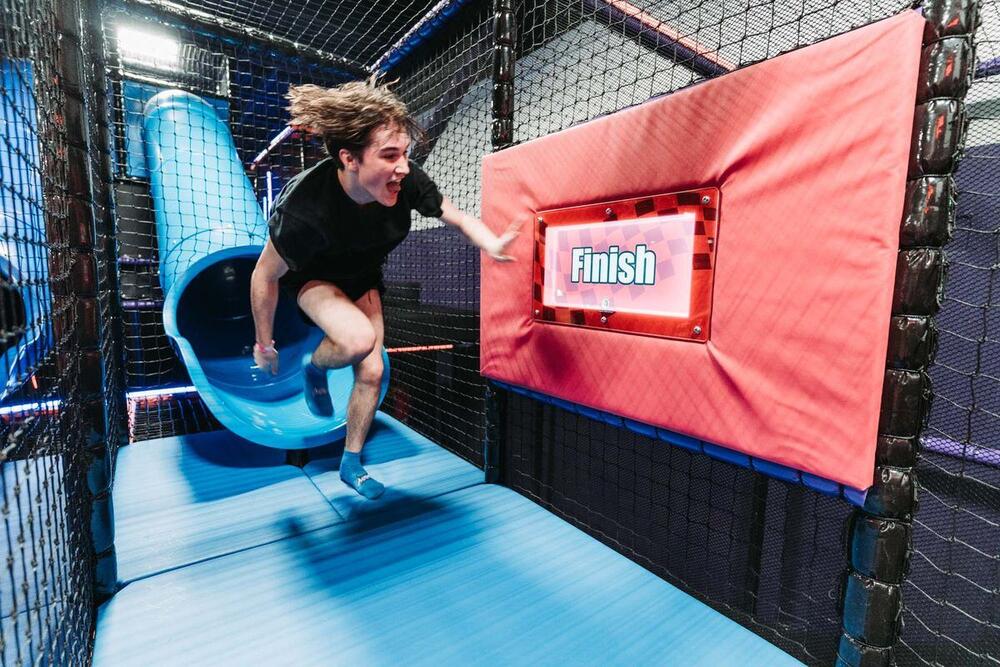
Strike Arena
Strike Arena is an interactive game where players can run, climb, and crawl through obstacles to earn points.
Climbing & Ropes
Walls, traverses and rope courses that use the height a building already has.
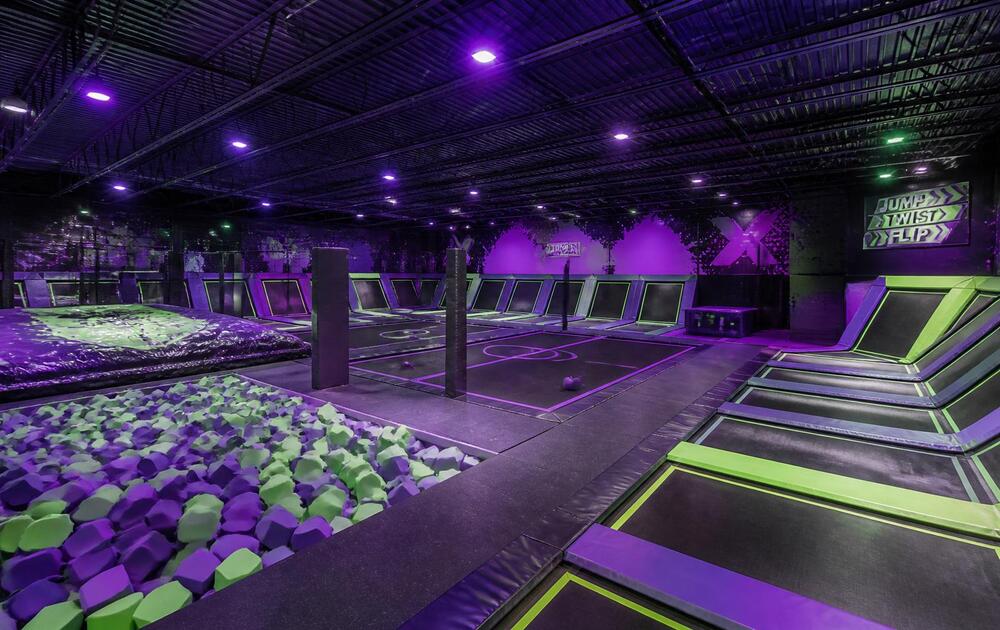
Foam Pits
Landing pits designed for inspection and foam replacement.
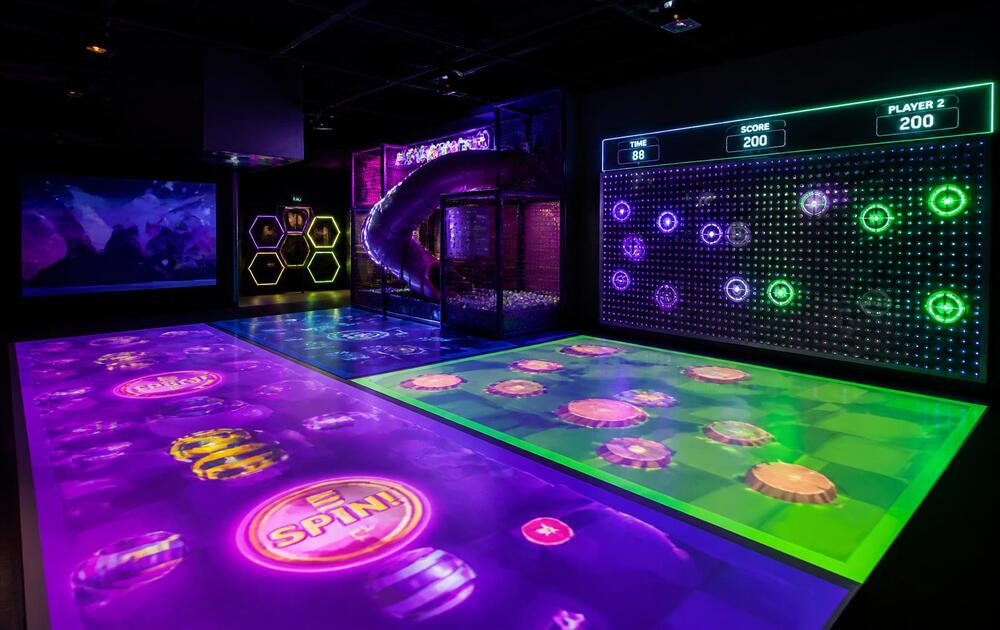
Design & Concept
Layouts and 3D renders tuned to your building — columns, ceiling height and sightlines included, not designed around a…


A course, built and running
Adrenaline Monkey, Cleveland, OhioCustom build
Courses we have built
The next step
Send the building, get a line-item estimate
Footprint, ceiling height and opening target is enough to start. You get a priced scope, not a brochure.
Talk to somebody
864-477-1126Request an EstimateOr send a floor plan and we will come back with a priced scope.