

Cost guides
Soft play equipment cost
Soft play is the one category whose cost is mostly settled before anybody chooses a product — because the ceiling and the footprint set the envelope, and everything else is specified inside it.
Two things are priced here, and they are priced differently
A frame is priced by volume. A multi-level structure occupies height as well as floor, and what it costs follows the number of levels and the routes through them — climbing structures is the page for it. Two rooms with identical square footage and different ceilings will not quote the same.
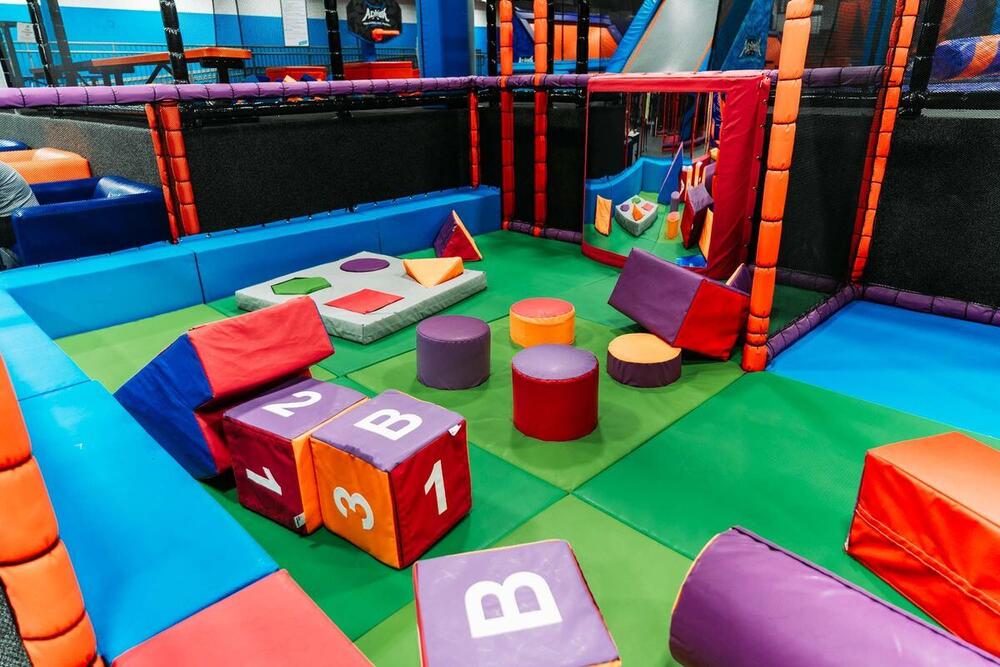
Ground-level play is priced by floor. Toddler zones, sensory areas and ball pits spend area rather than height, which is why they are the parts of a room that can be added later without touching the structure.
Everything else is specified into one of those two. Theming, interactive panels and slides are not accessories bolted on at the end; they change what gets manufactured. Our own soft play explainer lists the categories plainly — blocks, balls, mats, climbers and slides — and that post is the plainest description we publish.
Which is the thing worth saying first, and it is ours: more of this cost is settled by the building than by the catalog. The envelope is the ceiling and the floor, and the quote is what fits inside it.
- Toddler area
- 100–150 sq ft, contained ground-level play
- Multi-level frame
- 300–500 sq ft, ages 4–12
- Clear height
- 9–10 ft for that frame; 15–20 ft for a full structure
Our own figures — the first two published for restaurants, the heights from our guide to starting a playground. Starting points, not a specification.
Measure it properlyWhat actually moves a soft play quote
In the order a building decides them, which is not the order a brochure presents them.
Footprint
OursThe floor the equipment stands on, which is the only one of the four a landlord decides. Our own restaurant figures are the useful starting point: from 100 to 150 square feet for a contained toddler area, from 300 to 500 for a multi-level structure.
Levels
OursHow much of the height you use. A frame is priced by the volume it fills rather than the floor it covers, which is why clear height is the measurement to take before anybody draws anything — and why two rooms of identical area quote differently.
What is inside it
OursNets, tunnels, crawls, obstacles, slides, ball pits and interactive panels are specified into the frame rather than added to it. This is the line a quote varies on most, and the one worth comparing component by component between suppliers.
Theming
Theirs and oursOur own writing treats a theme as a build decision rather than a paint decision: it changes what gets manufactured. It is also the part most easily phased, if the structure is designed with that in mind from the start.
The third driver is where two quotes diverge most, and the eight questions on the cost guides index exist for exactly that comparison. The order to make these decisions in is the design guide; adventure play is the version of a frame that has been pushed harder, and costs accordingly.
The quote is one number; the decade is the other
Our own guide to starting a playground business says two things that belong together. The equipment is the bulk of the start-up cost, and well-built commercial-grade structures should last upwards of ten years with proper maintenance.
That second clause is the whole of this band, and the reading is ours: a ten-year life turns a purchase into a cost per year, and it makes the maintenance line rather than the quote the number worth arguing about. Cheap equipment is not cheap if it is replaced in four. Equally, a good frame is not good value if nobody runs the routine that keeps it to ten.
The wear items are named in our own seasonal maintenance post and they are listed beside this. Not one of them is the frame itself — the steel outlasts everything attached to it, which is why maintenance is a program rather than a call-out, and why the inspection schedule is where the cost of keeping it becomes predictable rather than sudden.
- Vinyl covers and liners, inspected for tears and checked while a pit is empty
- Netting, which stretches and develops finger-entrapment holes if picked at
- Foam padding, replaced once it is compressed enough to stop absorbing impact
- Ball pit balls, replaced when crushed or dented rather than topped up
- Fasteners, run through with a torque wrench to the manufacturer's specification
Cleaning is the other recurring line, and in soft play it is heavier than in any other category: our cleaning guide puts slides, ball pits and climbing structures on a weekly deeper clean, and the seasonal post adds a full ball pit cleanout in spring and fogging through flu season. Ball pits carries the whole of that argument, because it is the item that most repays deciding about in advance.
Our own four tests for a supplier, with price fourth
The list beside this is ours, from our own soft play explainer, and the order is theirs too: experience, reputation, safety, then price. A manufacturer putting price fourth on its own website is worth reading twice, in either direction.
What makes the four comparable is a written quote. Our own rule from the business guide is blunt: never start construction without a soft quote, because most bank officers require an estimate for equipment before they will lend against the rest. The playground cost page carries the rest of that checklist.
And the standards question is not a price question but it changes the price: what soft contained play standards ask for — fall height protection, entrapment avoidance, non-toxic materials — is specified in or it is not, and a quote that is cheaper because it is not is not cheaper.
Their four, in order
- Experience
- A supplier who has built this before
- Reputation
- Ask who else they have done it for
- Safety
- Equipment that is safe and durable, in our own words
- Price
- Fourth on our own list, not first
Where this goes next: the playground guide for the catchment and the lease, the payback calculator for what the room has to earn, installation for what happens on site, and retrofit and upgrade cost if the room already exists. Our own post on soft play for toddlers is the argument for the age band most of this equipment serves.


Where the number gets settled
4 pages
Soft Play Equipment
With over 25 years of experience in indoor soft play equipment, Next Level Parks has the expertise to design…
Design & Concept
Layouts and 3D renders tuned to your building — columns, ceiling height and sightlines included, not designed around a…
ROI & Payback Calculator
Footprint, ticket price and opening hours set against what a build costs.
Financing
Equipment financing and lease options, so an attraction can be paid for out of what it earns.


The next step
Send the building, get a line-item estimate
Footprint, ceiling height and opening target is enough to start. You get a priced scope, not a brochure.
Talk to somebody
864-477-1126Request an EstimateOr send a floor plan and we will come back with a priced scope.