

Services
Inspections & compliance
The documentation your inspector, your insurer and your local authority ask to see before you open — and the reason the cheapest time to sort it is while the equipment is still a drawing.
Three people will ask, and they want different things
Operators tend to plan for one of these and get surprised by the other two. They do not arrive in the same order either — the insurer usually gets there first, long before anyone from the state.
The inspector
Equipment and recordsWants to see the attraction and the paperwork behind it, and where a state regulates, to sign something afterwards. Expect the facilities and the records to be inspected together, on an annual cycle, with something issued at the end of it that says the attraction passed.
The insurer
Proof, before coverOften asks for proof the compliant systems are in before it will issue coverage at all — netting, railings and signage to the standards. Which makes the insurer, in practice, the first inspection you pass.
The authority
Permits and certificationBuilding permits, licenses, and proof the equipment meets ASTM or CPSC standards for public use. Our own startup guide lists it among the things to sort before the doors open rather than after.
The insurer's condition is from our own guide to financing a park, and the permits and certification are from our guide to starting one. Both say the same thing in different words: this is pre-opening work.

What has to exist in writing
Each of these is explained in full somewhere on this site, because each comes from a different document and none of them is ours to summarize loosely.
The manufacturer's manuals
The document your maintenance schedule is actually built from, and the one a warranty argument turns on.
Why your schedule comes from hereAn information plate
The trampoline standard has a whole section on what has to be on the court itself, and another on what gets handed over with it.
ASTM F2970, explainedMaintenance and inspection logs
Asked for wherever inspections are regulated, along with staff training records and injury logs. Kept current, not reconstructed the week before.
What the law namesAn emergency response plan
In place and up to date. A fire officer is likely to have read the evacuation section of the soft play standard before you have.
Soft play standardsA current insurance policy
Also named in the statute, which means the inspection covers whether you are insured as well as whether the equipment is sound.
What has to be financedThe accessibility position
Not covered by the play standards at all — it comes from the ADA, which counts routes, transfer systems and surfaces, and counts them in numbers.
What the ADA countsCompliance is cheapest while it is still a drawing
A park is subject to regulations and standards set by local authorities and industry organizations, and regular inspection is how it keeps meeting them. That is not only a legal matter: it reduces the liability an operator carries, and it is what builds trust with customers and the community.
The expensive version is discovering a requirement after the equipment is bolted down. Accessibility is the clearest example — route widths and transfer points are a layout decision, and a layout decision is free to change until the day it is not. The same is true of the clear height a court needs and the surfacing inside a use zone.
So the honest advice is unglamorous: settle the standard each attraction is being built to before anything is ordered, ask who is signing the annual inspection before you need one, and tell your insurer what is going in before they ask. Our piece on regular inspections makes the case at length.
Who signs it
The certifications our people hold — the ASTM committee memberships, the AIMS and AAI inspection qualifications, NAARSO and ACCT — are listed in full on the installation page rather than repeated here.
See who is on your siteThis page tells you what to collect, not what we hand over. What documentation comes with a build is a question for us to answer precisely rather than approximately, and the honest position today is that it is not written down anywhere we can point you at. Ask, and you will get a straight answer about your build.
The work either side of a sign-off
4 pages
Installation
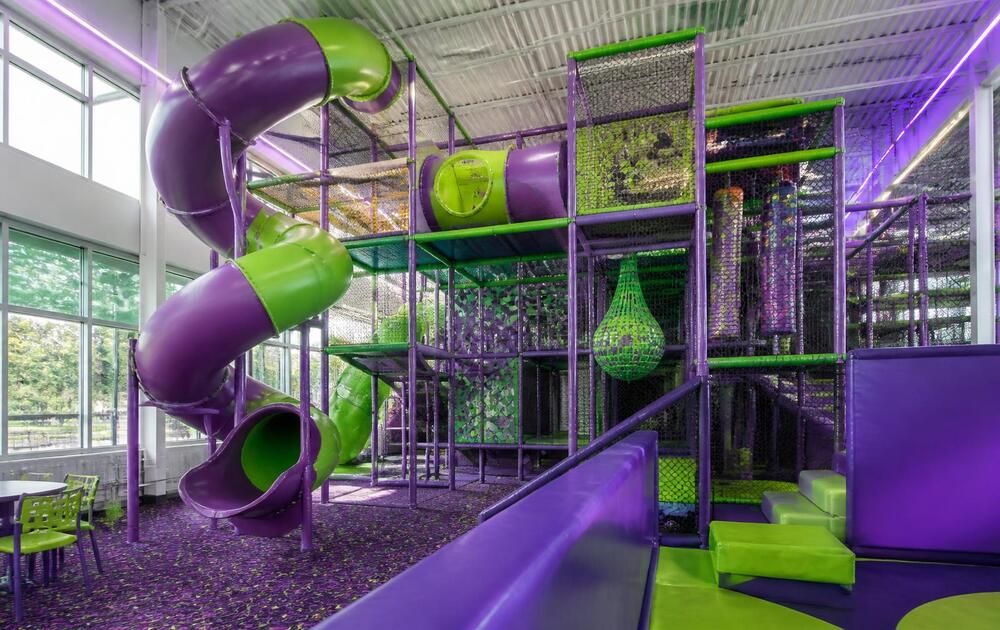
Our crews install on an agreed sequence, coordinated around your build program and your opening date.
Maintenance
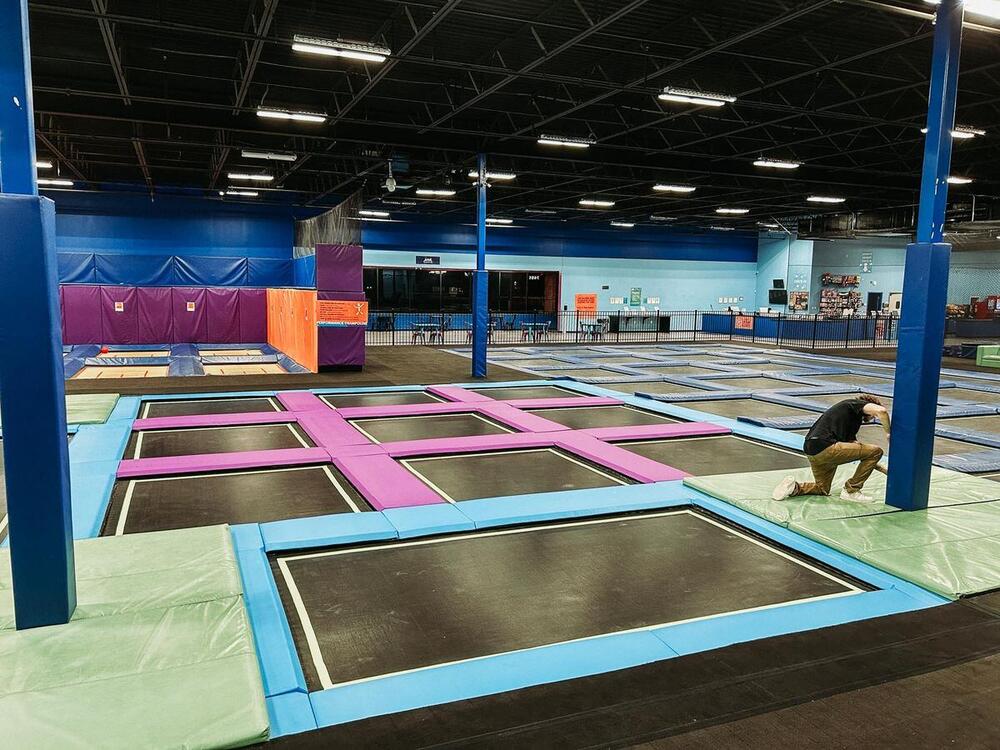
Parts, service calls and scheduled maintenance from a US-based team, for the life of the attraction.
Safety & Standards
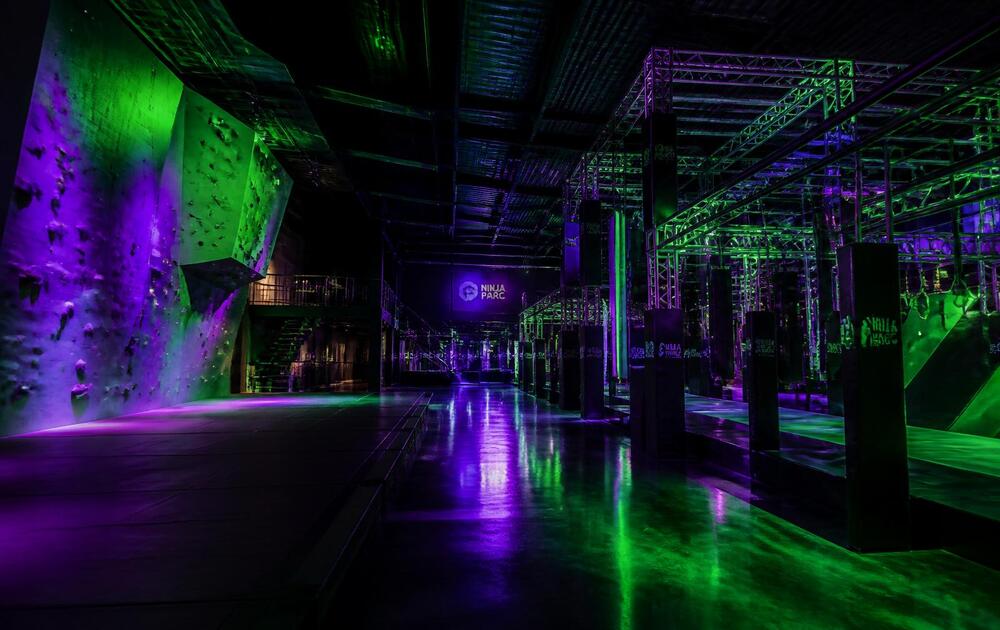
The standards a commercial attraction is held to, and what they ask for.
Staff Training & Support
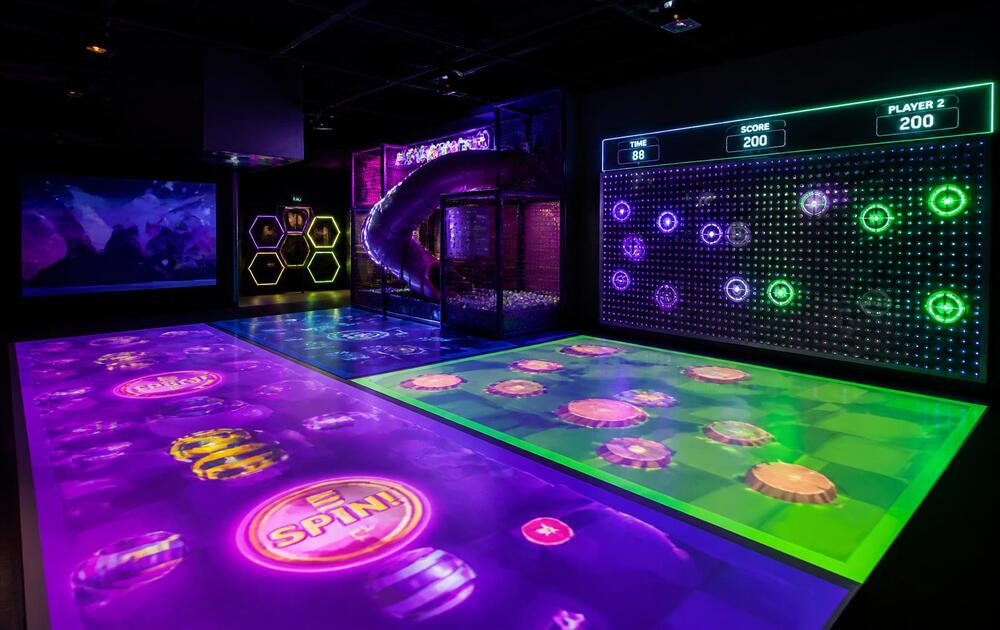
Operator guidance, supervision training and the daily checks that keep an attraction open and insurable.


The next step
Send the building, get a line-item estimate
Footprint, ceiling height and opening target is enough to start. You get a priced scope, not a brochure.
Talk to somebody
864-477-1126Request an EstimateOr send a floor plan and we will come back with a priced scope.