

Resources
Safety & standards
Four pages, and the first question is which one applies to you. A soft play frame and a trampoline court are different documents with different requirements — here is what governs what, who asks for it, and what this site will not reprint.
What you are building decides what governs it
Most people arrive here knowing what they are putting in the room and not which document covers it. That is the whole of this band.
A soft play structure
ASTM F1918The standard for soft contained play: the padded, netted structure a child climbs through. Written around a body rather than a birthday — the age range runs from two to twelve, and the dimensions are set against the smallest two-year-old and the largest twelve-year-old.
A trampoline court
ASTM F2970Twenty-one sections covering the court, the people on it and what happens when somebody is hurt. Two states have written it into law, and our page sets out which and what that means for an operator.
Who can use it
The ADAGround-level play components by type, accessible routes, transfer systems and the arithmetic that decides how many of each. The rule is the floor; inclusive design is what you do above it.
After it opens
The routineDaily, weekly, monthly and annual: what gets checked, by whom, and what gets written down. A standard is a thing you meet once at installation and demonstrate continuously afterwards.
Which one applies depends on what is being made — a soft play frame and a trampoline court are different documents with different requirements, which is our own sentence from the manufacturing page. Our own argument for why any of this matters commercially rather than only ethically is in our post on safety standards.
This site does not reprint the standards
No dimension from a standard appears on any of these pages. Not a fall height, not an entrapment band, not a gap tolerance. Those documents are copyrighted and sold, and reprinting them would be both wrong and pointless when the page can link to the body that publishes them.
What these pages do instead is explain what a standard covers, how it is organized, which edition is current, where it has been written into law, and what it asks of an operator in terms you can act on. If you need the numbers, buy the document — from ASTM for F1918 and F2970, from the CPSC for the voluntary standards it maintains, and from the Access Board for the play area guide behind the ADA arithmetic.
And the question worth asking a supplier is not whether they have heard of a standard. It is which standard, which edition, and who tested it — the three things an answer in writing has to contain. Our FAQs carry our own answer on what we build to. None of these pages is legal advice.
Four people will ask, and they ask at different moments
This is the practical half, and it is ours. A standard is not an abstraction that lives in a filing cabinet: it is a question four different people ask at four different points, and the cost of answering badly rises with each one.
The insurer asks first and asks hardest, because coverage is conditional — our own writing on financing a park notes that insurers often want proof that compliant systems are installed before they issue it. The inspector asks before you open and again on a schedule. The landlord asks through the building approvals. And a parent asks at the counter, which is the only one of the four where the answer has to fit in a sentence.
All four are easier to answer if the paperwork exists before anybody asks: inspections and compliance is the service that keeps it, maintenance is the routine behind it, and staff training is what makes the fourth answer consistent from whoever happens to be on the desk.
- The insurer
- Before coverage — often wants proof of compliant systems
- The inspector
- Before the doors open, and on a schedule afterwards
- The landlord
- At fit-out, usually through the building approvals
- A parent
- At the counter, having read something online
Ours, not from any guide of ours. The order is the one a project meets them in.
Who keeps the recordsThe equipment side of the same question: soft play and climbing structures sit under F1918, trampoline equipment and courts under F2970, and design is where accessibility stops being a retrofit and becomes a layout. Our own post on inspections makes the commercial case for the routine rather than the safety one.
4 pages
4 pages
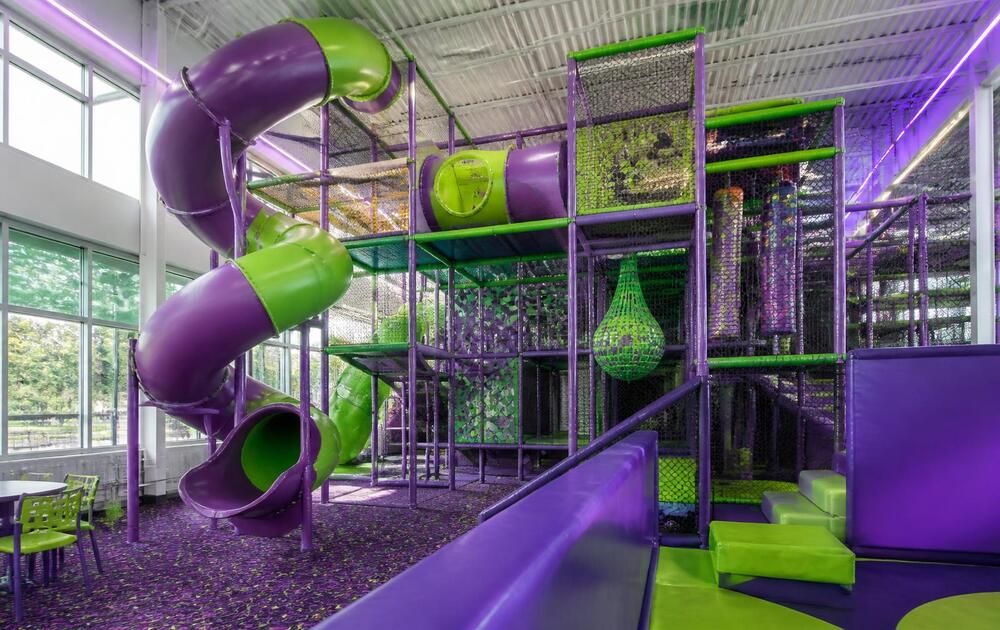
Accessible & Inclusive Play
Designing so that every child in the room can use the attraction.
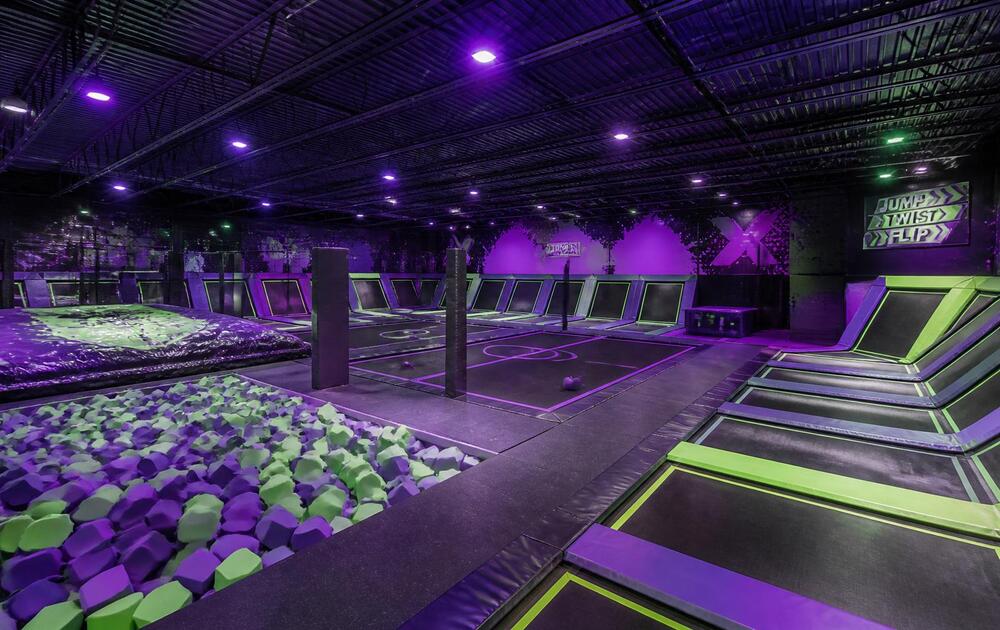
ASTM F2970 Explained
The trampoline court standard, in terms an operator can act on.
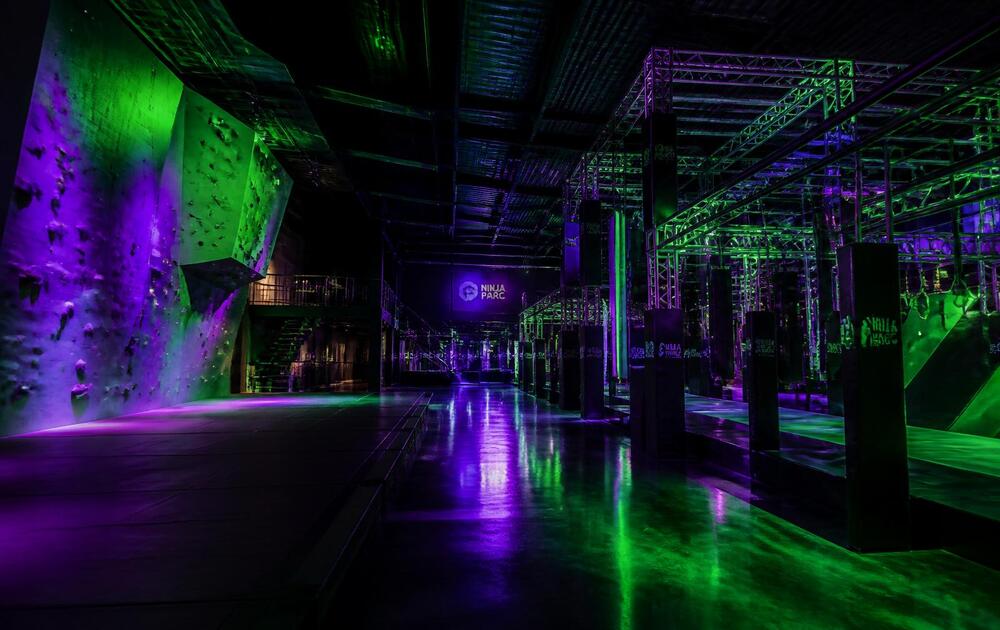
Inspection Schedule
What to inspect, how often, what to keep in writing, and who signs it off.
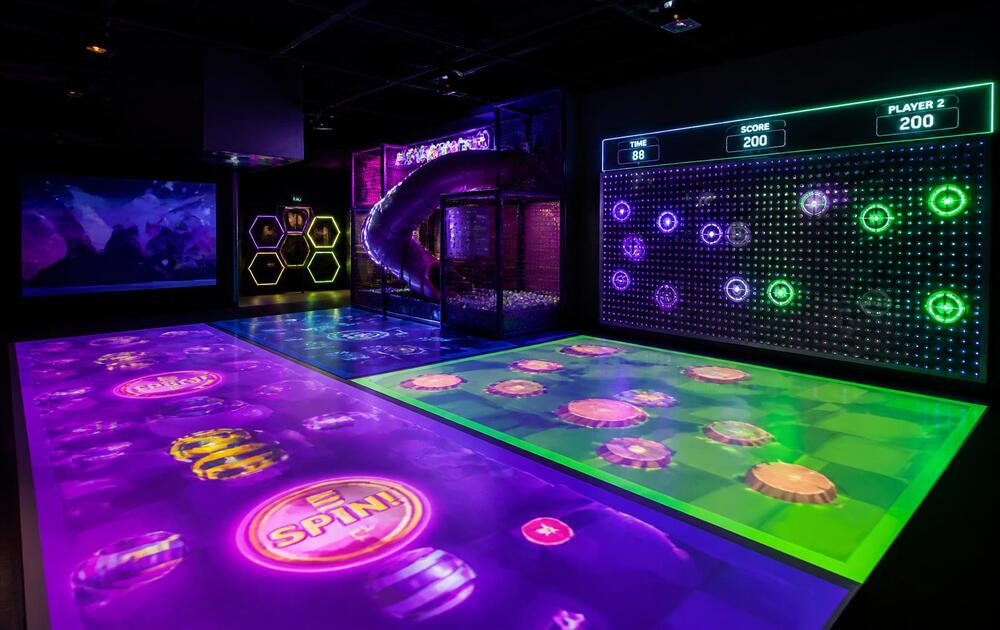
Soft Play Standards
The soft play standards covering structure, padding and entrapment.


The next step
Send the building, get a line-item estimate
Footprint, ceiling height and opening target is enough to start. You get a priced scope, not a brochure.
Talk to somebody
864-477-1126Request an EstimateOr send a floor plan and we will come back with a priced scope.