

Soft play
Ball pits
The most specified thing in soft play and the most maintained. Our own writing puts a pit in four different rooms and then uses it twice as shorthand for a park that has not been updated — this page carries both, because both are ours.
We specify it constantly, and we call it dated
There is no page copy for ball pits, so this page is built from the places our own writing mentions one — and that writing says two opposite things.
It specifies a pit in four separate rooms, below. Then, on the Strike Arena page, it says a simple ball pit and slide were once enough to captivate audiences, and that today's guests crave dynamic, engaging and interactive experiences. And the upgrades page opens by saying indoor playgrounds are no longer just about slides and ball pits.
Both are true, and the resolution is in the word just. A pit is not an attraction that will carry a park on its own any more, and it is still in every soft play specification we write, because it does something none of the interactive equipment does. The rest of this page is what that something is, and what it costs you every week to keep.
Our attractions guide calls a dedicated soft play area essential for families with toddlers, and describes it as padded structures, slides, ball pits and gentle climbing elements. The pit is named in the definition, not added to it.
In a restaurant
TheirsOur restaurants guide lists the key features of a play area that works beside tables: spiral slides, ball pits, climbing tunnels and distinct entry and exit points. Three of those four are about containment, which is the argument for a pit in a small room.
From our own writing on making a park autism-friendly: soft play areas with foam climbers, ball pits and textured mats give toddlers safe tactile and proprioceptive experiences. That is the clearest sentence we publish about what a pit is actually for.
As part of a theme
TheirsOur themed playground piece imagines a volcano-shaped frame, a slide that mimics a pterodactyl's flight, and a ball pit filled with dinosaur eggs. A pit is the cheapest surface in a room to theme, because the theme is the balls.
Each of those four links to the piece it is quoted from. The reading in the note above — that the argument is about just, and that a pit is now a component of a room rather than the point of one — is ours.
A pit is a running cost that happens to be a purchase
This is the part our own writing is best on, and it is filed under seasonal maintenance where nobody shopping for soft play will find it. A ball pit appears in three different places in our cleaning and maintenance posts, and in all three it is the thing that needs doing again.
Weekly, our cleaning guide groups it with slides, climbing structures and seating for a deeper clean. Through flu season, our seasonal post puts ball pit balls on the high-touch list beside handrails and the entry and exit points of slides, and recommends electrostatic spraying or fogging with hospital-grade disinfectants that are safe for children. In spring, it asks for a total cleanout — and the detail in it is the useful part.
The sentence worth putting in a staff handbook is also theirs: parents are observant, and they notice the dust on the pipe tops, the duct tape on the vinyl and the smell of the ball pit. A pit is the first thing in a room to smell and the first thing a parent judges you on.
Which is the honest buying question, and this part is ours: does the schedule exist? A pit bought without the hour a week to run it becomes the reason somebody writes that a park feels dated — and that is the same sentence as the one at the top of this page, arriving from the other direction.
- Remove every ball and clean the flooring underneath the pit
- Expect lost socks, hair bands and dust to have collected down there
- Inspect the vinyl liners for tears while the pit is empty
- Refill with sanitized balls, and replace any that are crushed or dented
- Fogging or electrostatic spraying for flu season, with hospital-grade disinfectant safe for children
The list is our own spring cleanout, in our own order, from the seasonal maintenance post, with the flu-season line from the same piece and the weekly cadence from the cleaning guide. Who owns the routine is maintenance; what gets checked and how often is the inspection schedule.
The thing a pit does that a screen cannot
Our own sentence about toddlers and autism is the clearest statement on this site of why a pit is still specified: soft play with foam climbers, ball pits and textured mats gives safe tactile and proprioceptive experiences. Deep pressure and whole-body contact are what the balls provide, and no amount of projection or scoring provides it. The post is here, and sensory play is where that argument is set out properly.
And it is ground-level play, which matters more than it sounds. A climbing frame is the hardest thing in a soft play room for a child who cannot climb; a pit is one of the few things in the same room that a child who is not going to climb can use on the same terms as everybody else. What the ADA counts sets out why that distinction is a rule and not a courtesy.
It is also the quietest attraction in a park, which is worth knowing in a room that has a Strike Arena in it. Somewhere to go and not be shouted at is a legitimate thing for a design to provide, and that reading is ours.
- Weekly
- Deeper cleaning, alongside slides and climbing structures
- Winter
- Balls treated as a high-touch surface through flu season
- Spring
- Total cleanout, with the liner inspected while it is empty
- Ongoing
- Crushed balls replaced, because a flat ball never recovers
The first three are our own published cadence. The fourth is ours — a crushed ball does not come back, and a pit of flat balls is the look our own writing calls dated.
Size one against your roomOne comparison worth making, because this site makes it elsewhere: foam pits are the trampoline-side version of the same trade-off, and our airbags page argues against them by name on hygiene and maintenance grounds. A ball pit has not been superseded the way a foam pit has, because nothing replaced what it does for a two-year-old — but it is the same question in a different room, and the answer is the same one: who is cleaning it, and how often. The standards that govern the structure around it are on the soft play standards page, and what else belongs beside a pit is adventure play and themed structures. None of this page is legal advice.
Next to a pit
4 pages
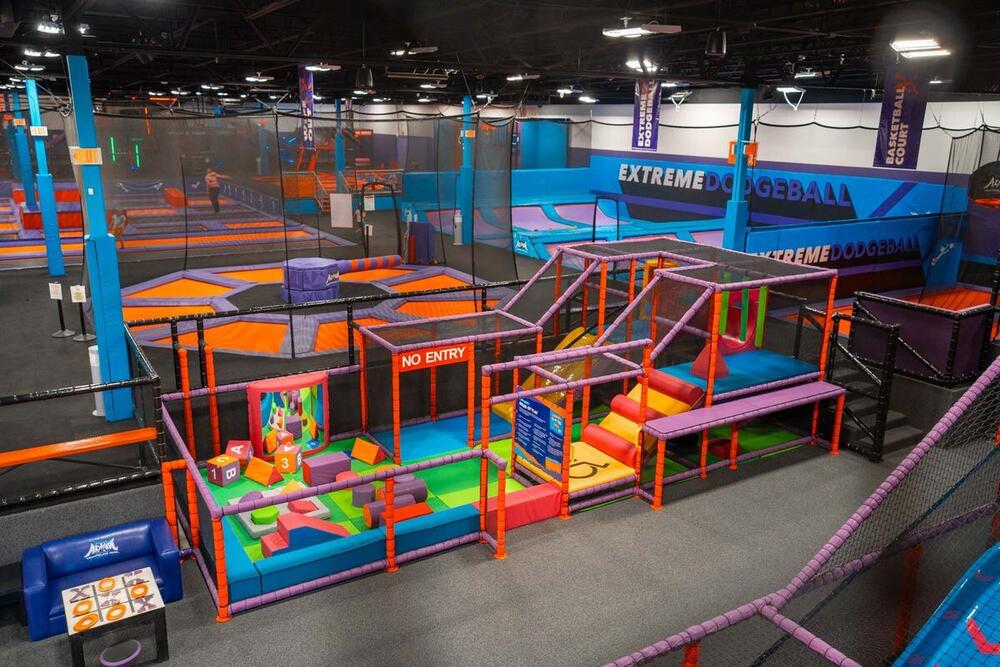
Toddler Play & Toddler Towns
Toddler Zones are the heart of any successful indoor entertainment space.

Sensory & Interactive Play
Sensory playground equipment is designed to engage all five senses.
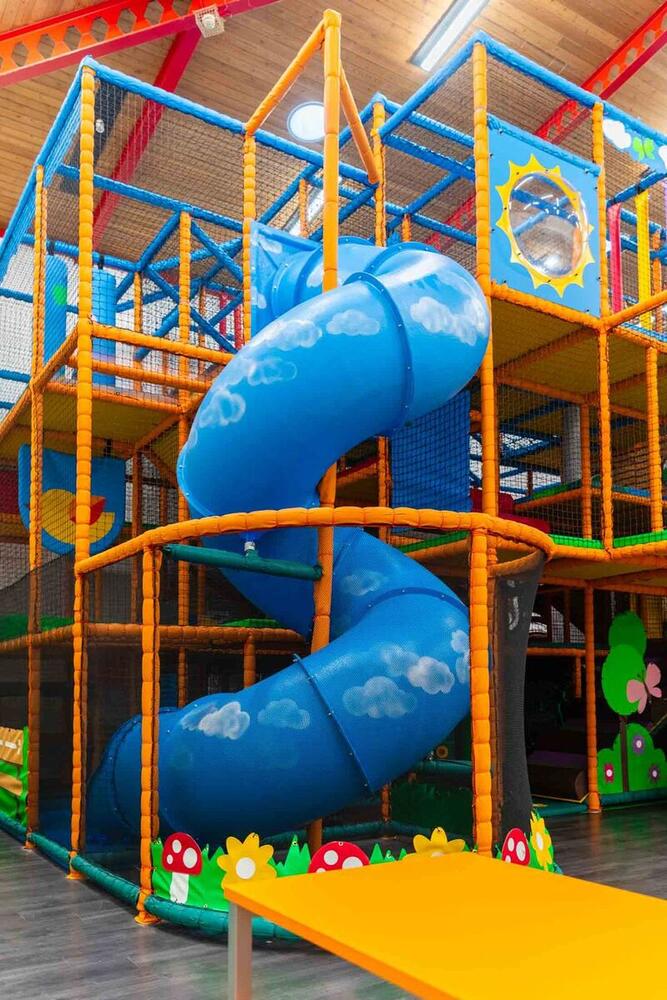
Climbing Structures
Multi-level frames, nets and tunnels that use the ceiling you already have.
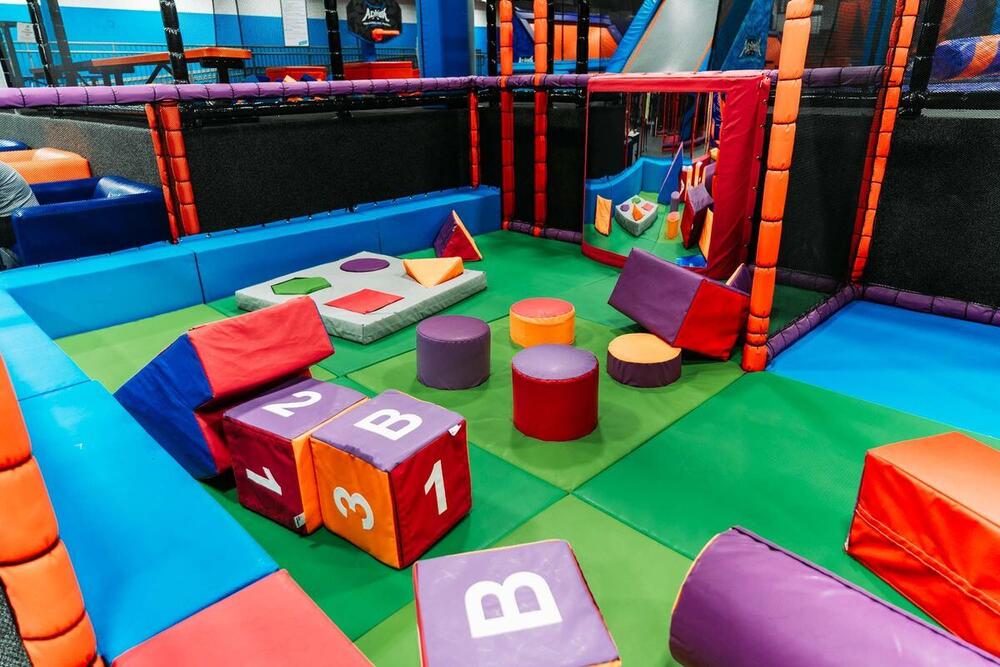
Soft Play Equipment
With over 25 years of experience in indoor soft play equipment, Next Level Parks has the expertise to design…


The next step
Send the building, get a line-item estimate
Footprint, ceiling height and opening target is enough to start. You get a priced scope, not a brochure.
Talk to somebody
864-477-1126Request an EstimateOr send a floor plan and we will come back with a priced scope.