
As designers and builders of dynamic play environments, we are constantly exploring how Indoor Playground Equipment can do more than just entertain. We see playgrounds as powerful tools for development, inclusion, and therapy. One of the most impactful applications we’ve seen in recent years is the use of trampolines as a form of autism therapy. For business owners, developers, and organizations looking to create truly inclusive and impactful community spaces, understanding the profound benefits of trampolining for children with autism spectrum disorder (ASD) is a game-changer.
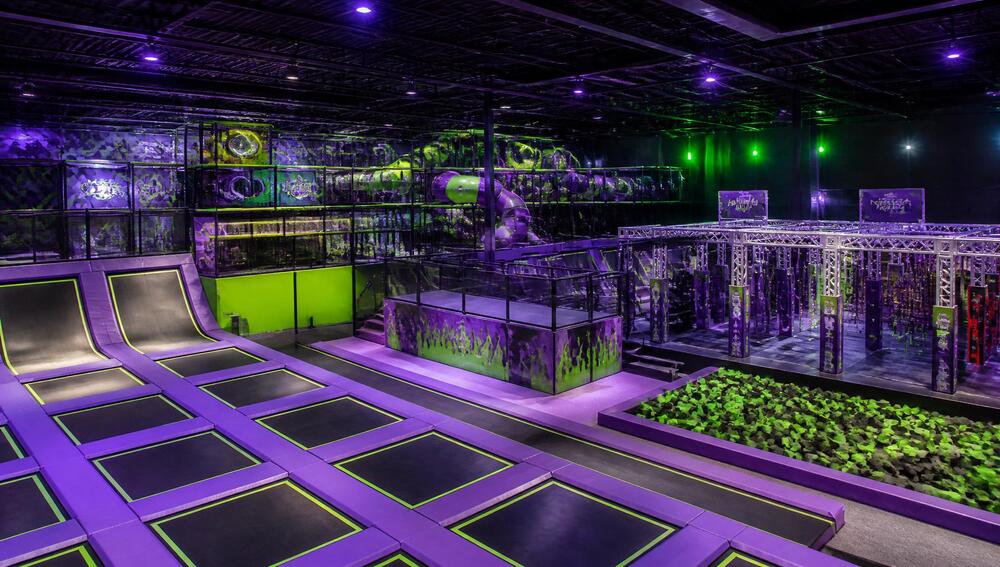
The modern trampoline park is evolving. It’s no longer just a sea of black mats; it’s a vibrant, multi-sensory environment. By thoughtfully incorporating specific design elements and equipment, these spaces can become invaluable resources for families and therapists. This article explores the effectiveness of trampoline therapy for autism, details its multifaceted benefits, and provides actionable ideas for transforming your facility into a sensory-friendly haven. As a leading Indoor Playground Supplier, we are passionate about helping our clients build spaces that make a real difference.
Is Trampoline Therapy For Autism Effective?
The simple act of jumping on a trampoline can provide a wealth of therapeutic benefits for children with autism. While not a cure, trampoline therapy is a powerful, evidence-supported tool used by occupational therapists to help children with sensory processing disorders, which are very common in individuals with ASD. The effectiveness lies in its ability to provide intense and consistent sensory input that can help a child’s nervous system organize and regulate itself.

This form of play-based therapy addresses core challenges associated with autism, including sensory sensitivities, motor planning difficulties, and anxiety. The rhythmic, repetitive motion of bouncing offers predictable vestibular and proprioceptive input—the senses that tell us where our bodies are in space and how they are moving. For a child whose sensory system is either over- or under-responsive, this input can be incredibly calming, centering, and organizing. This makes trampolines a cornerstone of effective autism therapy programs.
The Comprehensive Benefits of Trampoline Therapy
Integrating trampolines into a play space provides a holistic therapeutic experience. The benefits extend across sensory processing, motor skill development, emotional regulation, and physical health, making it an invaluable addition to any facility focused on family entertainment and wellness.
Sensory Benefits
For many children with autism, the world can feel like a sensory minefield. They may be hypersensitive to sounds or hyposensitive to touch and movement. Trampoline therapy directly engages the two “power senses”:
- Vestibular System — Governed by the inner ear, this system controls balance and spatial orientation. The bouncing motion provides strong, consistent vestibular input, which can help improve balance, coordination, and spatial awareness.
- Proprioceptive System — This system, located in our muscles and joints, tells us where our body parts are without us having to look. The deep pressure input from jumping—the pushing into the trampoline mat and the landing—is highly organizing and calming for the nervous system. This can help reduce sensory-seeking behaviors like crashing into objects and improve body awareness.
Motor Skills Development
Jumping requires a complex combination of balance, coordination, and strength. Trampolines provide a fun and engaging way to develop crucial gross motor skills. As children learn to control their bounces, they are simultaneously improving their bilateral coordination (using both sides of the body together), core strength, and motor planning—the ability to conceive, plan, and carry out an unfamiliar action. This makes it a dynamic form of autism therapy that feels just like playing.

Emotional and Behavioral Regulation
The sensory input from trampolining can have a profound effect on a child’s mood and behavior. For a child feeling anxious or overwhelmed, the rhythmic motion can be incredibly soothing, helping to decrease stress and anxiety. For a child who is lethargic or has low energy, it can be alerting and invigorating. This self-regulation is a critical life skill. Furthermore, mastering a new skill on the trampoline, like jumping to a specific spot, builds confidence and self-esteem.
Physical Activity
Encouraging physical fitness can be a challenge for some children with autism. Trampolines offer a high-energy, low-impact workout that is genuinely fun. Regular jumping improves cardiovascular health, builds muscle strength, enhances flexibility, and can help maintain a healthy weight. It provides a positive outlet for releasing excess energy in a structured and safe way.
How to Make Your Trampoline Park Autism-Friendly
Creating a truly inclusive space goes beyond simply installing trampolines. It requires a thoughtful approach to the overall environment. As your Indoor Playground Equipment Supplier, we can help you design a facility that is welcoming and beneficial for children with autism and other sensory needs.
1. Create Sensory-Friendly Hours or Zones
Designate specific times with lower capacity, dimmed lighting, and reduced noise (no loud music or arcade sounds). This creates a less overwhelming environment where children with sensory sensitivities can thrive. You could also design a permanent “quiet zone” within your facility, outfitted with soft seating, sensory bins, and calming lighting.
2. Offer a Variety of Sensory Play Equipment
A truly sensory-rich environment includes more than just trampolines. Consider adding a diverse range of Indoor Playground Equipment that offers different types of sensory input:
- For Toddlers — Soft play areas with foam climbers, ball pits, and textured mats provide safe tactile and proprioceptive experiences.
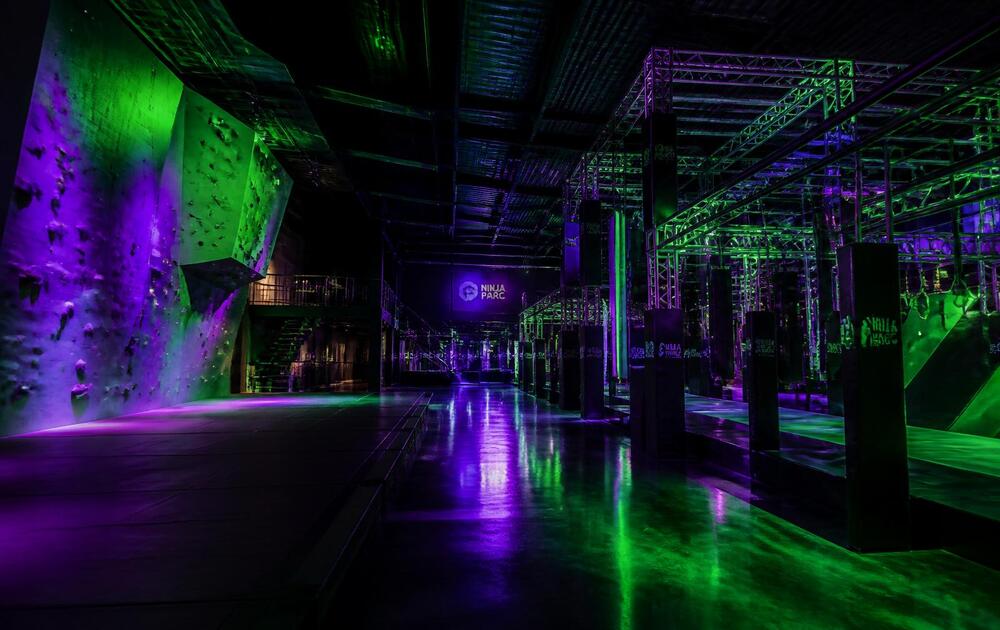
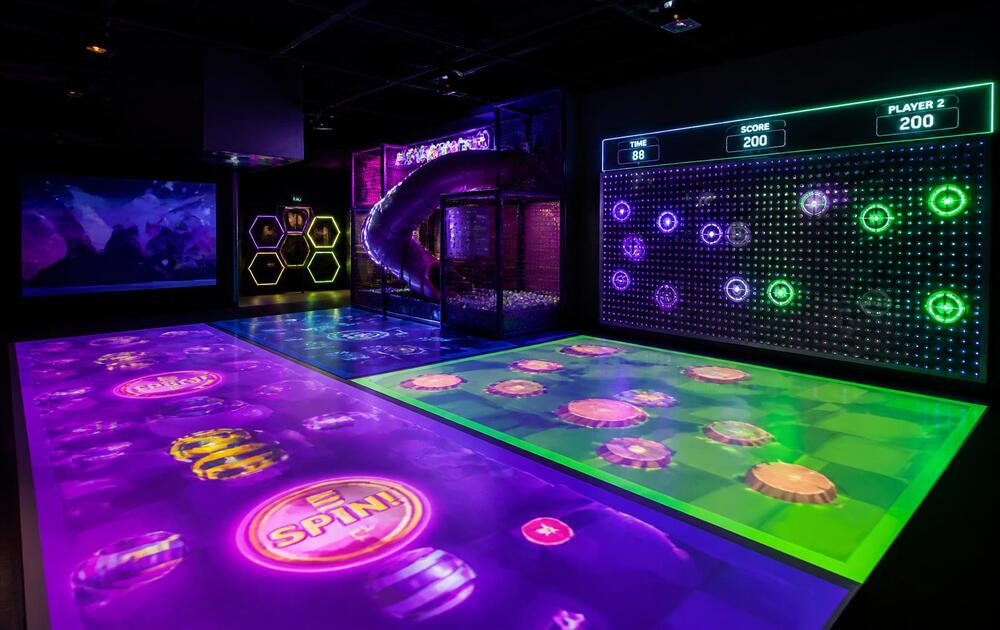
- For Young Children — Add swings for vestibular input, rock climbing walls for proprioceptive feedback, and interactive digital game panels that engage sight and sound in a controlled way. Zip lines and net climbers also offer fantastic opportunities for motor planning and sensory integration.
3. Incorporate Thematic Elements
Theming can make a space more engaging and less intimidating. A jungle theme could include animal-shaped soft climbers and rope swings, while a space theme might feature planet-shaped bouncing balls and dark, calming zones with fiber optic lights. As an experienced Indoor Playground Supplier, we can help you develop a theme that enhances the play experience while meeting therapeutic goals.
4. Partner with Local Therapists and Organizations
Reach out to local occupational therapists, ABA clinics, and autism support groups. Offer your facility as a space for group therapy sessions or field trips. This not only builds community goodwill but also establishes your park as a valuable resource, driving traffic and creating a loyal customer base.
Building a Better Playground with Next Level
At Next Level Parks, we understand that a playground is an investment in your community. We believe in the power of play to heal, teach, and unite. Our expertise as a leading Indoor Playground Equipment Supplier allows us to go beyond the standard, designing and building custom indoor playgrounds that are innovative, safe, and truly inclusive.

We work with you from concept to installation to create a space that meets the unique needs of your clientele. Whether you are looking to build a new trampoline park from the ground up or enhance an existing facility with sensory-friendly Indoor Playground Equipment, our team has the vision and experience to bring your project to life.
Let us help you build a destination that offers more than just fun. Let’s create an environment that supports every child’s development and provides a welcoming space for every family.
Contact Next Level Parks today to schedule a consultation and learn how we can help you build an indoor playground that makes a meaningful impact in your community.
Frequently Asked Questions (FAQ)
Q. What is trampoline therapy?
Trampoline therapy is a form of play-based therapy, often used in autism therapy, that utilizes the sensory input from jumping to help individuals improve motor skills, balance, sensory regulation, and body awareness. The consistent vestibular and proprioceptive input can be very organizing and calming for the nervous system.
Q. Why is trampoline therapy for autism so beneficial?
Trampoline therapy for autism is beneficial because it directly addresses the sensory processing challenges many children on the spectrum face. The rhythmic jumping provides powerful, predictable sensory input that can help regulate the nervous system, reduce anxiety, improve motor skills, and provide a fun outlet for physical activity.
Q. How can an Indoor Playground Supplier help me create a sensory-friendly space?
A knowledgeable Indoor Playground Supplier can help you design a facility that incorporates a variety of equipment catering to different sensory needs. This includes selecting appropriate trampolines, soft play areas, swings, and climbing structures, as well as advising on layout, lighting, and acoustics to create a welcoming and therapeutic environment for all children.