

Guides
How to start a trampoline park
Our own guide to opening one, put back into the order the decisions get made: who it is for, what it earns and costs, what goes on the floor, and the five stages between a conversation and an opening day.
Three answers before a layout exists
Identify your audience
TheirsBefore layouts or attractions, know who you are building for. Our own guide is specific about what changes: a park aimed at younger children needs more soft play and age-appropriate zones, one for older crowds needs harder ninja courses and performance trampolines. The demographic decides the equipment, the ambiance and the marketing.
Estimate profits
TheirsA passion for fun is a great motivator, in our own words, but a park is a business. Revenue streams and operating costs set against each other, and a business plan with projections for the first three to five years — which our guide says you will need anyway if you are seeking funding.
Surpass competitors
TheirsDifferentiation, by attractions other local parks do not have, by staff who are trained and friendly, and by a park designed for your building rather than a cookie-cutter layout. Our guide puts customer service alongside equipment as the thing that makes people come back.
This is our own guide, rebuilt as a sequence. The steps and the words are from our post on starting a trampoline park; what this page adds is an order to work through and the lists lifted out of the paragraphs where they were buried. Where something here is ours rather than from the post, the sentence says so.
And the first thing that is ours: measure the ceiling before the floor. Square footage decides how much park you can have; clear height decides whether several of the attractions below are possible at all, and it is the one number a landlord cannot change for you. The sector page for the building is trampoline parks, and our post on why the format keeps growing is the market half of the argument.
What comes in, what goes out, and the number nobody publishes
Both lists are our own, from the same post, set out here so they can be read against each other rather than found in the middle of a paragraph. The revenue side is on the right; the costs are below it.
Two of our own sentences are worth keeping as written. Birthday party packages are, in our words, a huge revenue driver — which is why a party room is a layout decision and not an afterthought. And comprehensive insurance is absolutely critical, which in this sector is a statement about the equipment you buy and the training you run as much as about the premium.
No figure appears on this page, because none appears in the post. What a build is made of, what moves the number and the eight questions that make two quotes comparable are on the cost guides, which also publish no prices and explain the reasoning. Financing is the other half, and our own post on financing a park is behind it.
- Admission
- Hourly rates and day passes
- Parties
- Birthday packages — our guide calls it a huge revenue driver
- Groups
- Group events and bookings
- Ancillary
- A cafe, arcade games, branded merchandise
Our own list of revenue streams, in the order the post gives them.
- Rent or mortgage on a facility large enough for the park
- Staff salaries, from the front desk to the court monitors
- Comprehensive insurance — our own guide calls it absolutely critical
- Utilities and marketing
- Ongoing maintenance of the equipment, which your supplier can advise on
- Initial setup, including the attractions themselves
Our own list of what a park costs to run, again in the post's order. The business plan it asks for carries projections for the first three to five years — which our guide notes you will need anyway if you are raising money against it.
Seven things our guide puts in a park, and what they need from you
The list beside this is our own, from the design section of the post. Every item on it has a page on this site, because each one is a product rather than an idea — trampoline equipment collects the five that are ours, and zip lines and climbing are the two that use the height rather than the floor.
Our own writing says each element has to be placed for traffic flow and safety, and that a manufacturer works with you to turn the ideas into a feasible, compliant design built to ASTM guidelines. What F2970 actually covers is set out on its own page, with the two states that have written it into law.
The second thing that is ours: staffing in a park like this is a safety line, not a service one. The standard assumes somebody is watching the court — our own cost list calls them court monitors — and how many of them you need is decided by the sightlines in the layout. That makes it a design question before it is a staffing question, and a training one before opening day.
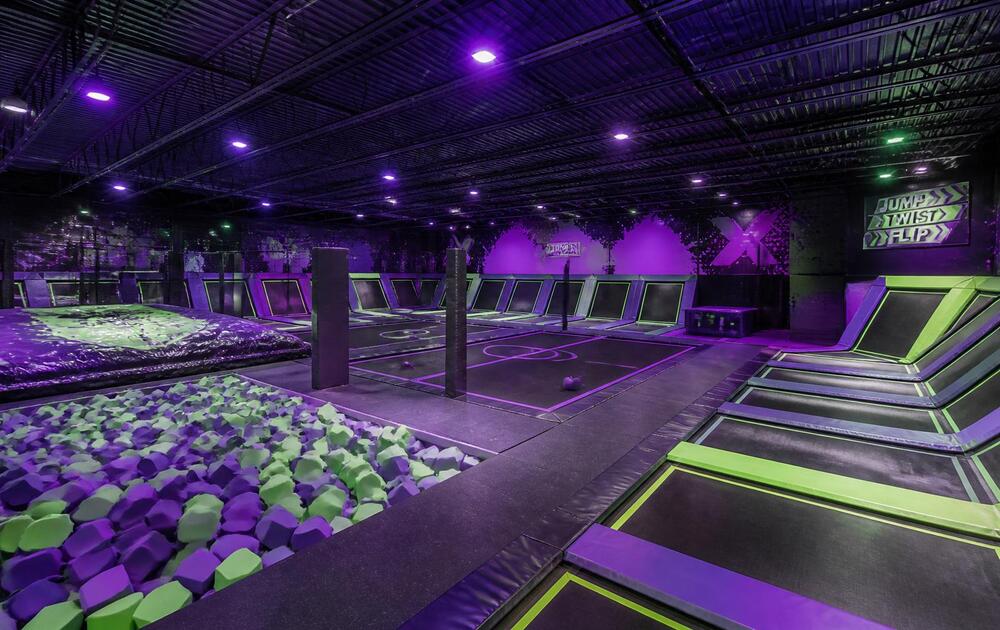
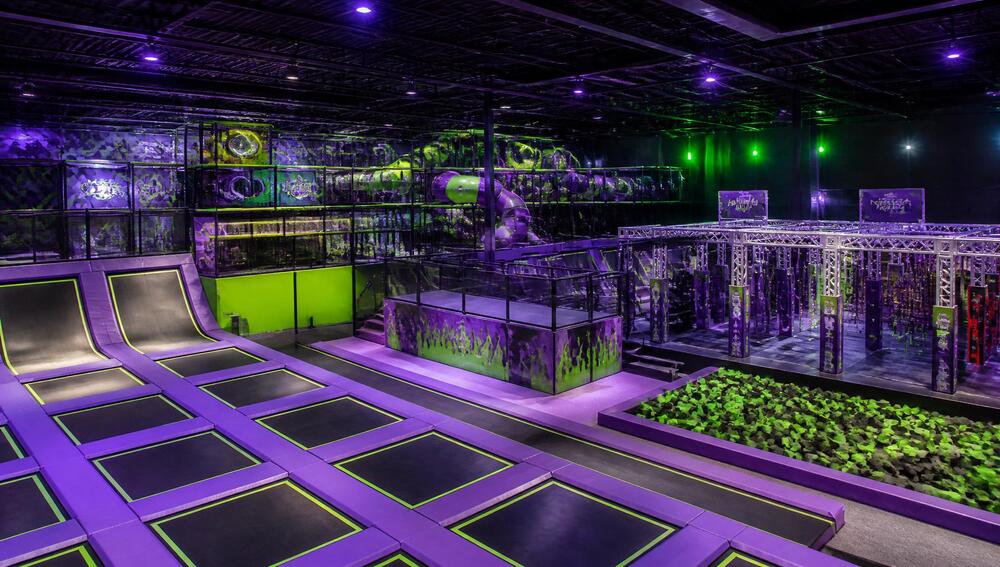
- A spacious main jumping court with interconnected trampolines
- Dedicated dodgeball courts
- Foam pits or airbag jump zones for safe landings
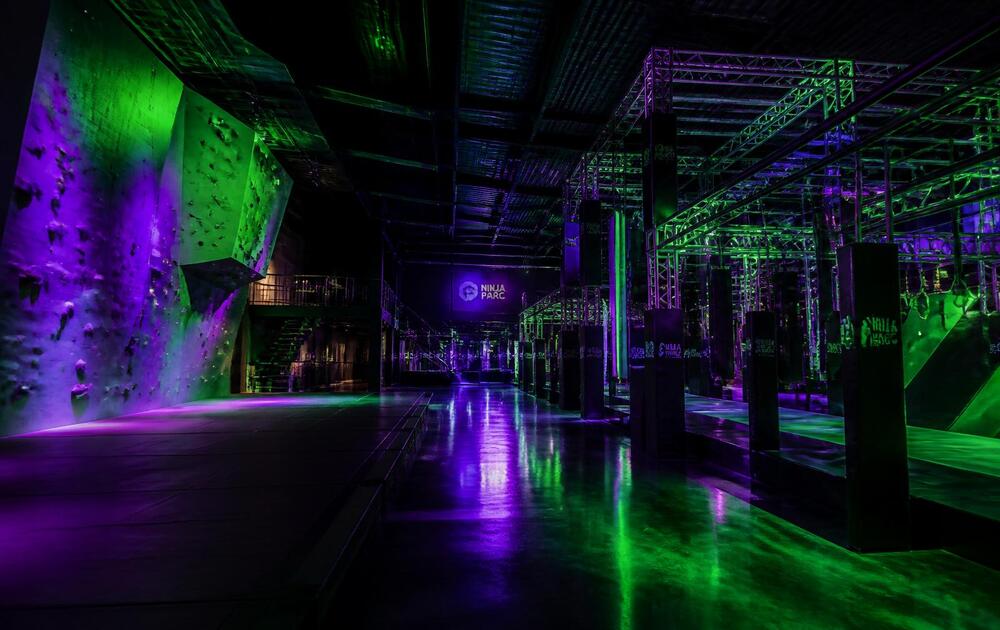
- Challenging ninja warrior courses with various obstacles
- Slam dunk basketball lanes
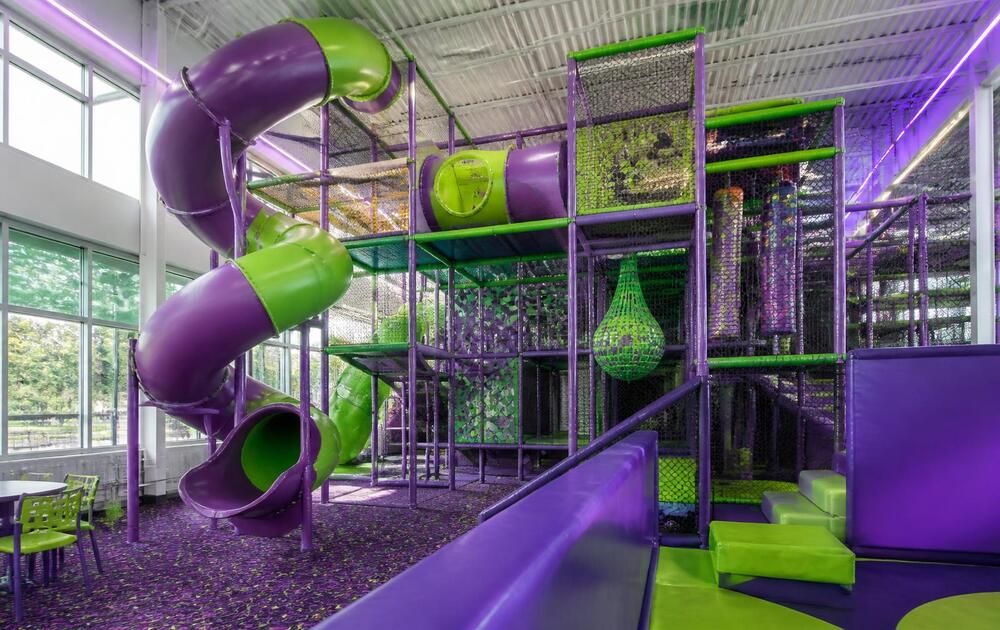
- Specialized zones for younger children or toddlers
- Climbing walls or zip lines integrated into the design
How much floor each of those should take is its own question, and it has its own guide: attraction mix and space planning, built from our post on the subject. Our attractions guide covers what each one draws, and foam pits versus airbags is a decision our own pages take a position on. What gets checked once it is all in is the inspection schedule.
From the first conversation to the day it opens
Our own process, as the post sets it out. Each stage is a page here, because each one is a different team and a different set of questions.
Consultation
TheirsWe start by listening — the vision, the audience, the budget and the site requirements. Our own description of the stage, and it is the one where a building that cannot work gets found out cheaply.
Design
TheirsDetailed 3D renderings, the layout refined with you, the mix of attractions chosen, and every inch of the space worked for fun and safety. Changes here cost a revision rather than a reinstall.
Manufacturing
TheirsTop-grade materials and the strictest safety and quality standards in fabricating the components — our words for the stage where the drawing becomes steel and padding.
Installation
TheirsTeams on site assembling every element, which in a trading building is also a sequencing problem: what gets closed, for how long, and what opens first.
Support
TheirsOur own sentence is that the relationship does not end when the park opens: ongoing support, maintenance advice, and planning for expansions or upgrades.
The whole of it is in the original post, which also answers five questions at the end — the first steps, why the manufacturer matters, what a supplier provides, what a custom design is worth, and the safety considerations. The last of those is the one with a standard behind it, and that page is where it is set out properly.
The other guides
5 pages
Attraction Mix & Space Planning
How to divide a footprint between attractions, and what each one needs.
How to Start an FEC
From market research to opening day, the steps an FEC takes.
How to Start a Play Cafe
The hybrid of coffee and soft play, and what it takes to run one.
How to Start an Indoor Playground
Research, funding, permits and design for a first play center.
Indoor Playground Design Guide
Laying out a play space around sightlines, age groups and traffic flow.


The next step
Send the building, get a line-item estimate
Footprint, ceiling height and opening target is enough to start. You get a priced scope, not a brochure.
Talk to somebody
864-477-1126Request an EstimateOr send a floor plan and we will come back with a priced scope.