

Industries
Airports
The one building where every visitor is already waiting. A play area turns the window between security and the gate into the part of the journey a family remembers kindly.
What it does to the time passengers already have
Every argument below is ours, from two posts written for airport operators and developers. They are the three things a terminal notices first.
It changes what a delay means
Dwell timeThe window between clearing security and boarding is stressful for a family. Our own writing says a play area flips it: a delay stops being a crisis and becomes a few more minutes to play, which attaches a positive memory to your airport rather than a negative one.
Children run; this contains it
Passenger flowOur post is blunt about the alternative — children run around gates, down concourses and near moving walkways. A soft-surfaced area gives that energy somewhere to go, which is a safety argument and a flow argument at once.
One photo either way
BrandIn our own words: one image of a crying, bored child at a gate can damage a brand, and one video of a child laughing on a play structure is organic marketing. Family travel is a market with a long memory.
A note on the airports you may have read about. Our own survey piece lists eight US airports that already have play areas — Dallas/Fort Worth, O'Hare, Logan, San Francisco, Sea-Tac, LAX, Miami and Philadelphia. Those are other people's facilities, written up because the format is established rather than because we built them. We would rather say that than let a list of famous airports read like a client list. The survey is here.
Where a parent goes when the children are occupied
The scenario
TheirsTheirs, almost verbatim: a family finds the play area, the children run off, the parents see they have thirty minutes. One supervises; the other goes to the adjacent coffee shop, bookstore or duty-free. Occupied children mean relaxed parents with the mental space to spend.
The placement rule
TheirsPut it in a safe, visible area near concessions, retail and restrooms. Our own words for what that creates: not just entertaining children, but a hub of commerce. Placement is the decision that makes the rest of the business case work.
The line it affects
TheirsNon-aeronautical revenue. Our FAQ puts it plainly — better passenger experience, longer dwell in retail and food service, and a family-friendly reputation that brings people back through the same terminal.
From our piece on airports with indoor playgrounds and our guide to adding one. No revenue figure appears on this page, because neither post gives one — they describe a mechanism, and your concessions team can model it against real footfall better than a web page can.
What a terminal asks that no other building does
Our own answer to what makes a good airport play area is four things: built to ASTM standards with soft surfacing; durable enough for 24/7, high-traffic use; themed in a way that means something — aviation, or the city the terminal serves; and placed where the concessions are.
That second one carries a consequence worth saying out loud, and it is ours rather than theirs: an airport does not close. Everywhere else on this site, deep cleaning and inspection happen after hours. Here there are no after hours — the routine has to work around passengers, in a space that is always visible and never empty. Settle how that is staffed before the structure is specified.
The theming half is more than decoration here. Our guide describes airplane climbers, control tower slides and runway-inspired flooring — or a theme drawn from the city itself, which turns the play area into a local landmark rather than a generic amenity. In a terminal, that is also wayfinding.
- Safety
- Built to ASTM standards, with soft surfacing
- Durability
- For 24/7, high-traffic use
- Theme
- Aviation, or the city it sits in
- Location
- Near concessions, retail and restrooms
Our own list, from the FAQ of the survey piece. Accessibility belongs beside it: a terminal serves everybody who buys a ticket.
What the ADA countsDesign starts from the footprint you can spare and the sightlines the terminal allows; maintenance is the half that has to run around a timetable that never stops. Both conversations are easier before a space is committed than after.
What goes in a terminal
4 pages
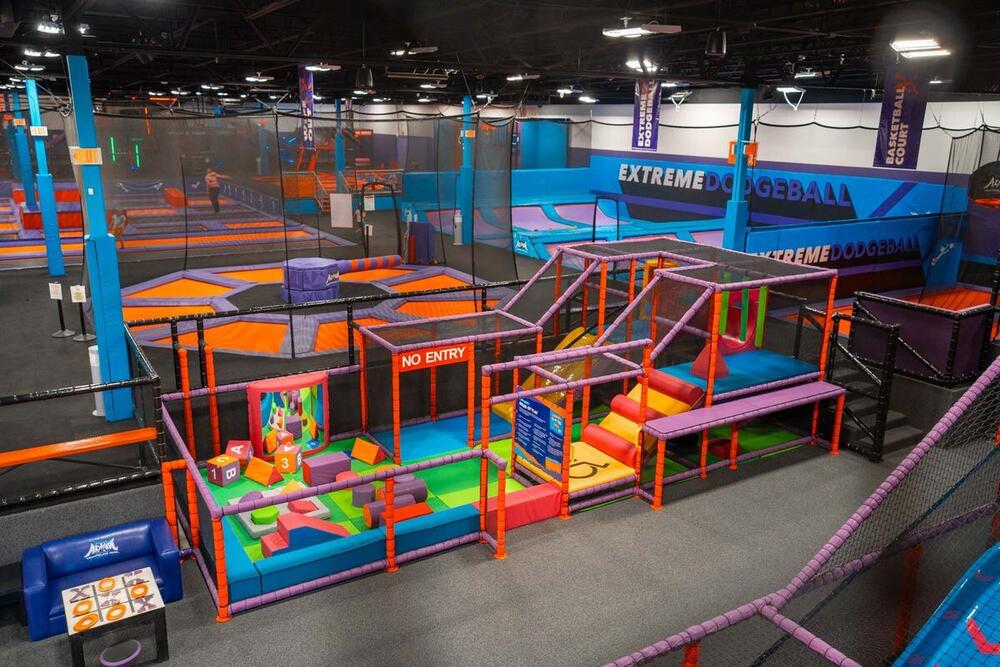
Toddler Play & Toddler Towns
Toddler Zones are the heart of any successful indoor entertainment space.
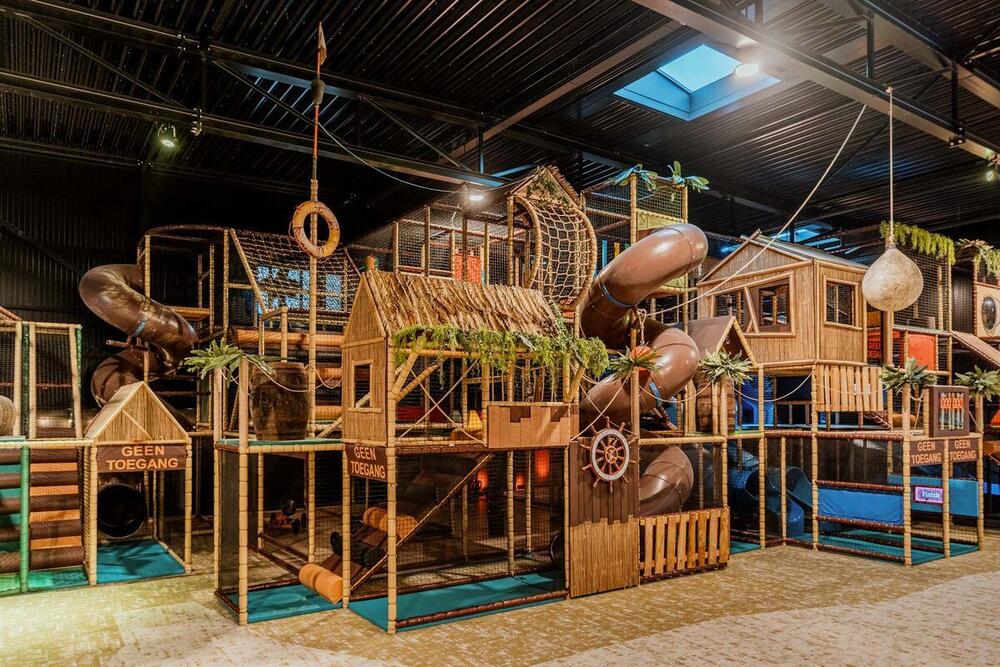
Themed Play & Soft Sculptures
Soft play themes are more than just fun; they're an experience.
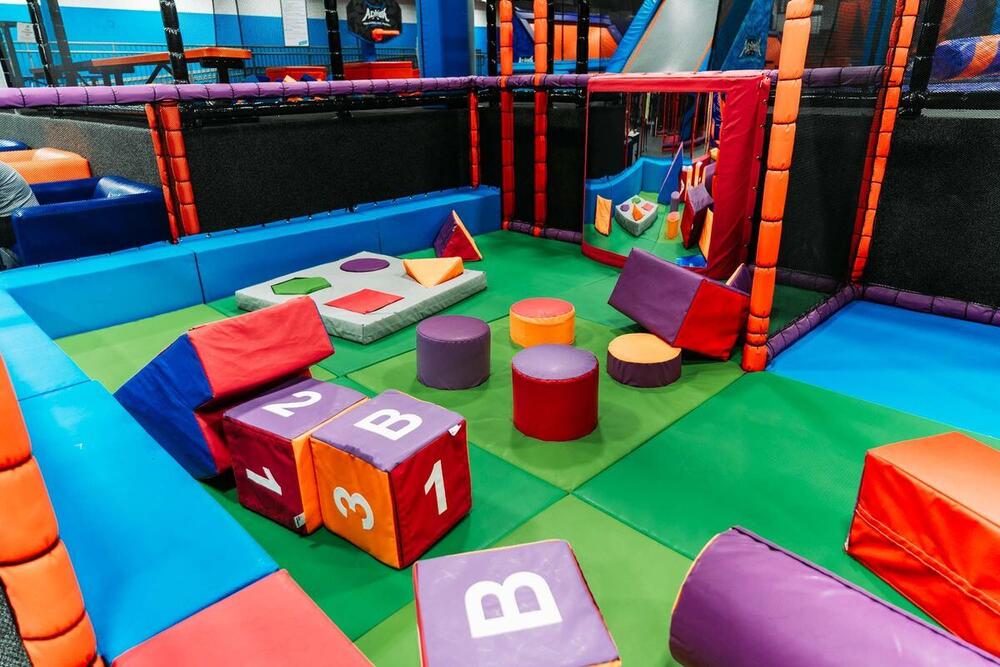
Soft Play Equipment
With over 25 years of experience in indoor soft play equipment, Next Level Parks has the expertise to design…
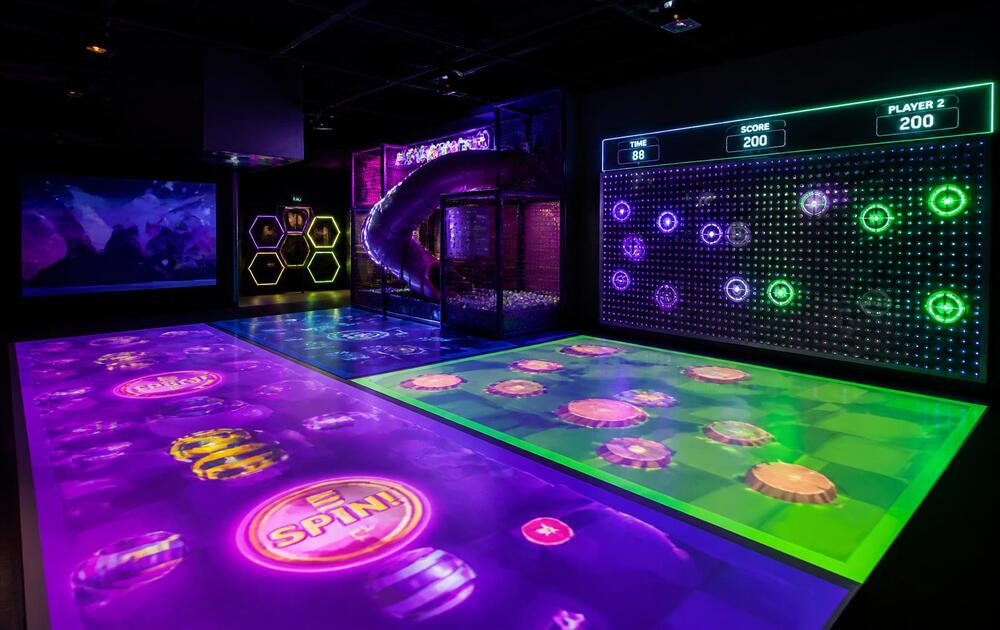
Accessible & Inclusive Play
Designing so that every child in the room can use the attraction.


The next step
Send the building, get a line-item estimate
Footprint, ceiling height and opening target is enough to start. You get a priced scope, not a brochure.
Talk to somebody
864-477-1126Request an EstimateOr send a floor plan and we will come back with a priced scope.