

Industries
Community centers & YMCAs
One room, several programs, and a door the public can walk through. It is a different brief from a commercial park — and it is one we have already built.
A themed toddler room, at a YMCA
The photograph is one of ours, from the YMCA in Plymouth: a padded room with a harbour painted around it, soft shapes a one-year-old can climb without supervision from arm's length, and a mirrored alcove in the corner. It is the format that suits this sector — low, soft, themed, and sized to a room the building already has rather than to a hall it would have to clear.
Our own writing on the sector is brief and gets the point right: community centers and recreation facilities use an indoor playground as a valuable amenity for the community — a safe and stimulating environment for children to play, learn and socialise. That is an argument about membership and attendance rather than about ticket sales, and the rest of this page follows from it.

The sector description is from our piece on the businesses that benefit from an indoor playground. More of this build is on toddler zones and soft play.
The brief is a week, not an attraction
A commercial park designs for a visitor. A community building designs for a timetable — the same floor doing four things between Monday and Sunday, usually without the option of closing one to run another.
Childcare and drop-in
WeekdayThe hours a center is open and the school is not. A toddler area is the format that fits: our own writing on toddler zones calls it a smart, low-cost investment that works as an addition to a bigger facility or as the whole offer in a smaller one.
Family sessions
WeekendThe same room, with everybody in it at once. Our own advice on mixing attractions is to keep the youngest separate from the busiest part — which in a single room is a layout decision rather than a scheduling one.
Classes and sport
EveningsOur flooring guide names community centers specifically as a use case for vinyl sport surfaces, and a court is the most re-lettable box a building can have. Play and sport in one hall is the normal brief here, not an unusual one.
Membership value
All yearOur own section on this sector puts it as an amenity for the community rather than an attraction: a safe, stimulating environment for children to play, learn and socialise. In a membership building that is retention, which is a different measure from admissions.
The flooring point is from our guide to sport court surfaces, and the sport side of a shared hall is on sport courts. Fitting four uses into one footprint is what the design stage is for.
Inclusion is the brief here, not the upgrade
A commercial park chooses its audience. A community building does not — it is open to whoever walks in, it is often run by a municipality or a non-profit, and the family that cannot use the equipment is a member rather than a lost sale. That changes which questions come first.
The ADA counts ground-level play components by type of experience, and at least one of every type in the room has to sit on an accessible route. That arithmetic, and the specific rule about entry points into a soft contained structure, is set out in full on our page on accessible and inclusive play — reproduced from the Access Board's own guide, because it is a US government work and free to read.
The part that page is careful about is worth repeating here: accessible is the floor and inclusive is the design. A room can satisfy the count and still be somewhere a child sits and watches. Ground-level variety, a quiet corner and a sightline for whoever came with them are design decisions, and this is the sector where they are least optional.
Where to start
- The rule
- Routes, types and entry points, with the table reproduced
- The design
- Variety at ground level, a quiet corner, a sightline
A sensory area is usually the single most useful thing a community building can add for this reason — it is ground-level play by nature, and it serves the visitors a climbing frame does not. None of this is legal advice; the standards pages say the same thing and mean it.
What goes in a community room
4 pages
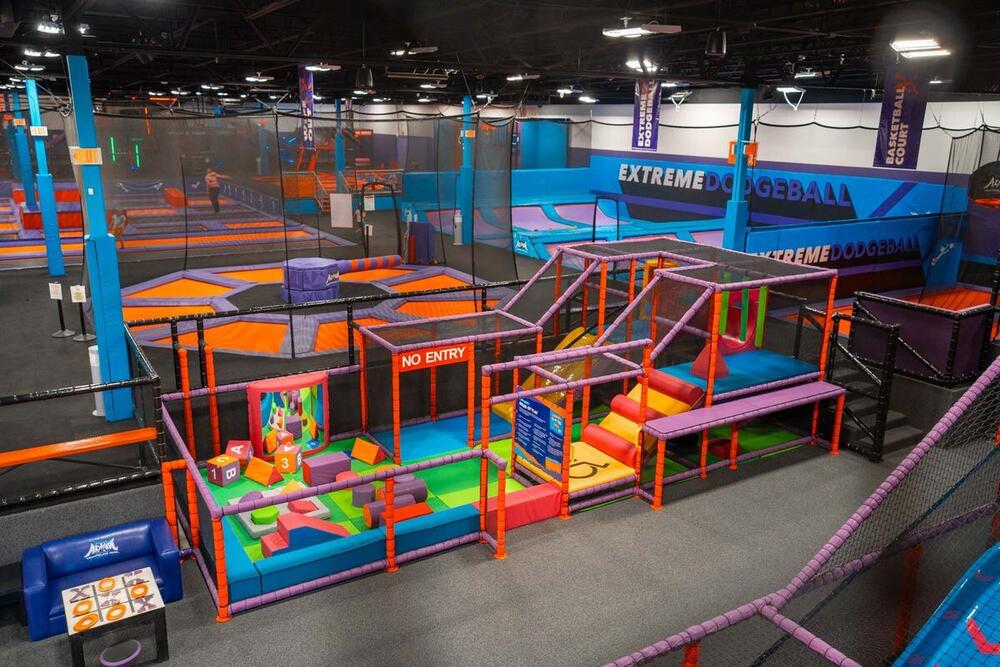
Toddler Play & Toddler Towns
Toddler Zones are the heart of any successful indoor entertainment space.

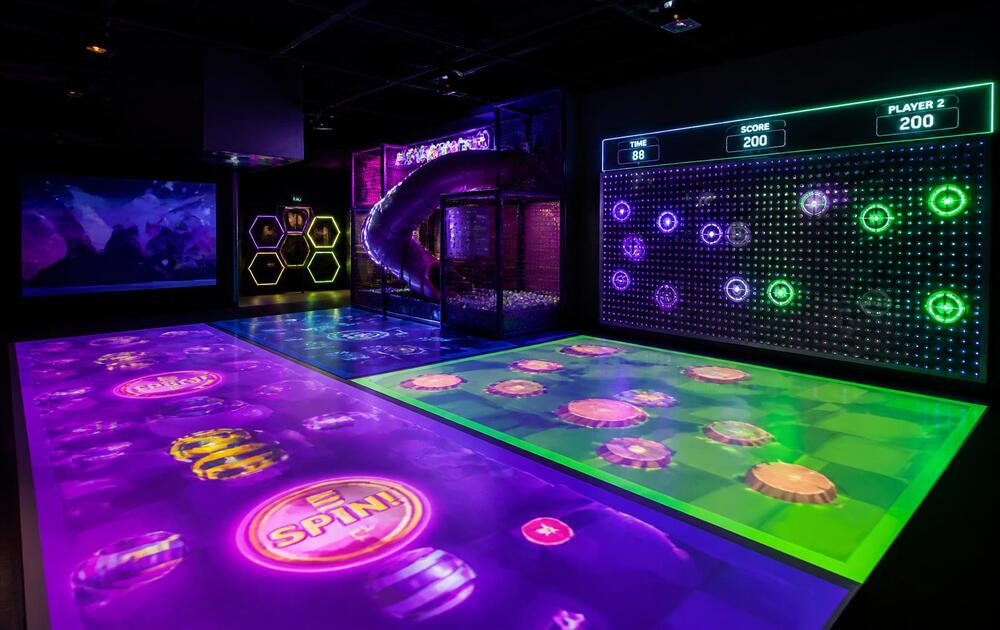
Sensory & Interactive Play
Sensory playground equipment is designed to engage all five senses.
Sport Courts
Dodgeball, basketball and multi-sport courts with impact walls and scoring, designed for league programming and…
Accessible & Inclusive Play
Designing so that every child in the room can use the attraction.


A leisure center we have fitted out
The next step
Send the building, get a line-item estimate
Footprint, ceiling height and opening target is enough to start. You get a priced scope, not a brochure.
Talk to somebody
864-477-1126Request an EstimateOr send a floor plan and we will come back with a priced scope.