

Industries
Retail & shopping centers
The only tenant that brings families in when it rains, keeps them past the errand they came for, and is measured in rent and vacancy rather than in tickets sold.
Three reasons a center installs one
All three are ours, from a post written for landlords rather than operators — which makes it the most commercially literate thing we have published, and the obvious thing to put on the page a landlord would actually open.
The nag factor, reversed
DestinationNormally a child begging for toys is a reason to leave quickly. With a play area, our own writing says the dynamic flips: children beg to come to the location itself. The parent's thought changes from dragging the kids to the shops to taking them to play, and picking things up while they are there.
Weather-proof footfall
Every forecastA climate-controlled sanctuary in a heatwave and on a wet afternoon alike. Our post calls that consistency gold for a retail center — when the outdoor parks are muddy or too hot, you are the primary option for a family trying to get out of the house.
Spending on children holds up
Through a downturnThe lipstick effect, in our own words: parents cut back on luxuries for themselves long before they cut back on experiences for their children. A free or low-cost play option builds goodwill, and goodwill is what brings a family back to the place their children liked.
From our piece on what indoor playgrounds do to footfall in retail spaces, which is worth reading whole if you are making the case to a board.
What it changes about the visit
A twenty-minute errand becomes a visit
TheirsWithout somewhere for the children, a shopping trip is a race against a child's patience. Our own description of a play area is a decompression zone — the errand turns into two hours that includes lunch, a coffee and more than one shop.
Food sells itself after play
TheirsPhysical activity makes kids hungry — our sentence, from the same post — and play areas drive traffic to nearby food vendors as families look for refreshments afterwards. Which is a reason to place it near the food, not away from it.
It becomes a reason to choose you
TheirsOur post's third benefit is the community one: a center with somewhere for children becomes a hub rather than a destination for a single purchase, and families return to places where they feel welcome.
One figure, with the caveat it deserves. Our retail post states that for every 1% increase in time spent in a store or mall, sales rise by 1.3%, and attributes it to industry research without naming the study. It is a widely circulated retail rule of thumb rather than something we measured, and it is repeated here as what it is: our own published figure, source unnamed.
If you are putting it in a board paper, ask us for the source before you cite it. That is a better answer than a page that prints the number and hopes nobody checks.
A return measured in rent, not in admissions
This is the part that makes a retail center different from every other building on this site. An operator counts tickets. A landlord counts footfall, rent and vacancy — and our own post frames the return that way rather than pretending the playground is a profit center.
It also makes an honest observation that cuts against selling you a turnstile: some venues monetise the play area with party bookings or pay-to-play, but free-play models often drive higher indirect revenue through the shops around them. Which model fits depends on whether you are letting the space or trading in it.
On footprint, our own FAQ gives ranges rather than a number: a pocket park or toddler zone can work in 300 to 500 square feet, while a destination playground might want 1,000 to 2,000. Both assume a design made for the architecture you have rather than dropped into it.
- Lease value
- Higher footfall supports higher rents
- Vacancy
- A vibrant hub attracts better tenants
- Direct revenue
- Parties or pay-to-play, if you want it
- Or free play
- Which they say often returns more indirectly
None of those is quantified here, because our own post does not quantify them either. They are mechanisms, and your leasing team can price them better than a web page can.
Start with the spaceThe maintenance expectation is in the same FAQ and is not optional in a high-traffic center: a daily cleaning protocol and a periodic safety inspection, with a professional one recommended — our seasonal guide covers the detail and maintenance is a service we run. Equipment for this setting has to be specified for the traffic, which is the third thing our own post tells you to ask a supplier about.
What goes in a center
4 pages
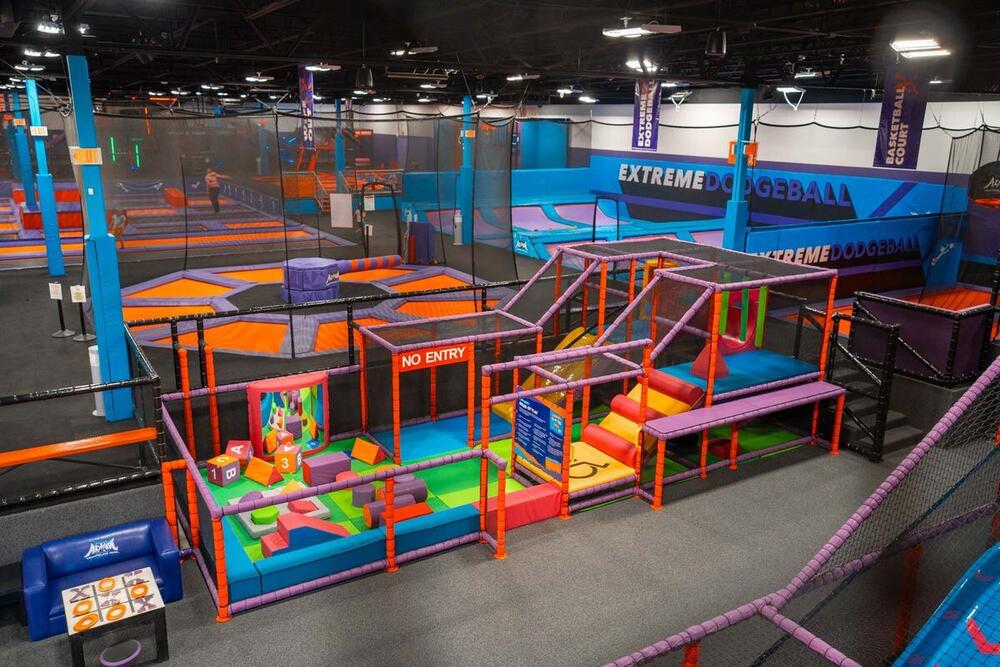
Toddler Play & Toddler Towns
Toddler Zones are the heart of any successful indoor entertainment space.
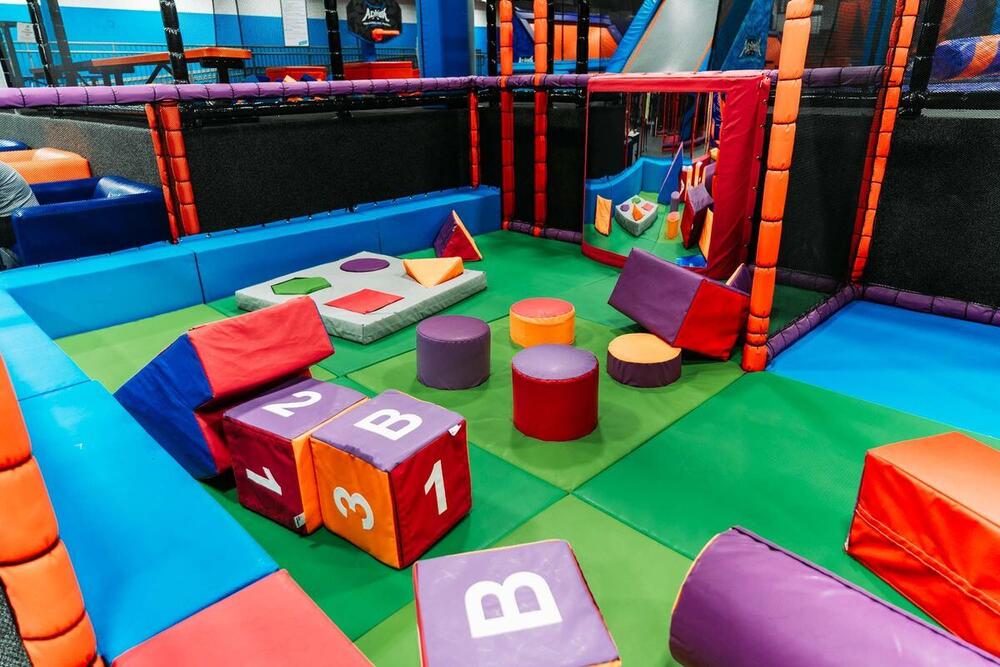
Soft Play Equipment
With over 25 years of experience in indoor soft play equipment, Next Level Parks has the expertise to design…
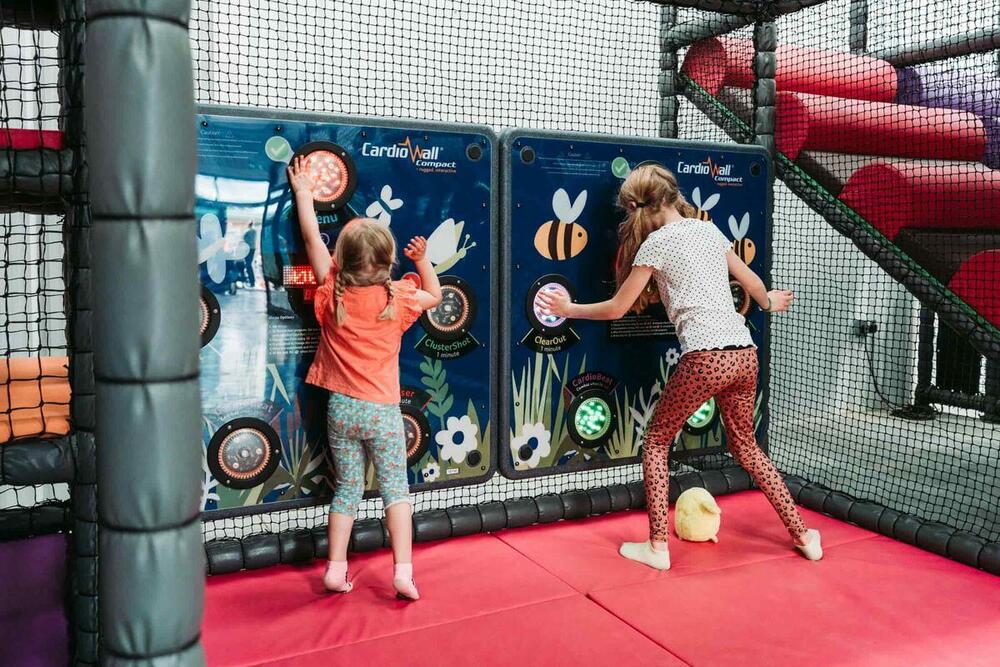
Interactive Attractions
Seeking to captivate the tech-savvy generation and enhance your existing attractions?
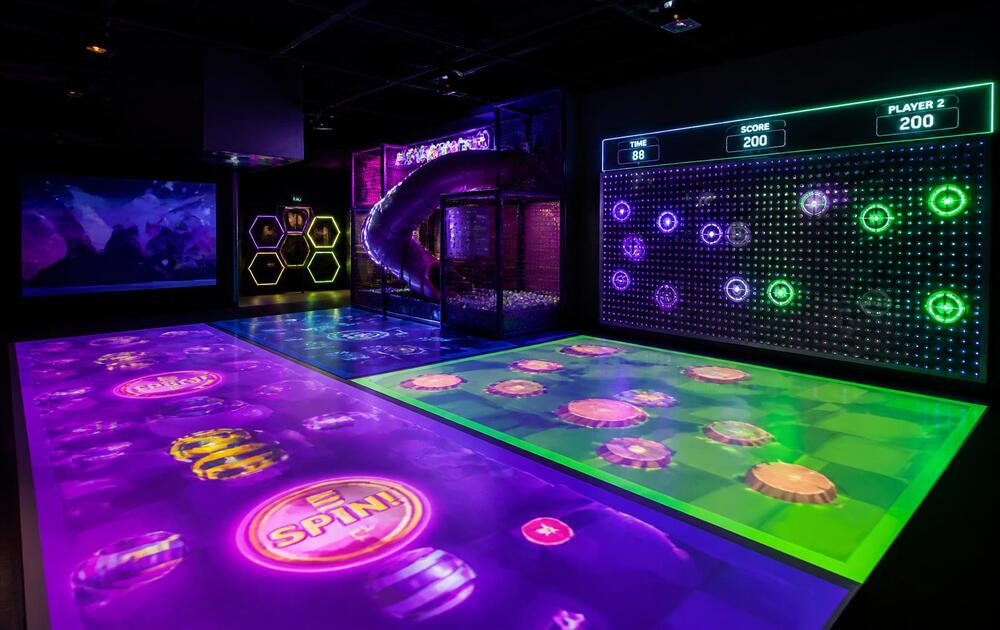
Party & F&B Zones
The rooms that carry the margin: party space and food covers built around the attractions.


The next step
Send the building, get a line-item estimate
Footprint, ceiling height and opening target is enough to start. You get a priced scope, not a brochure.
Talk to somebody
864-477-1126Request an EstimateOr send a floor plan and we will come back with a priced scope.