

Industries
Hotels & resorts
The amenity that earns its space on the one afternoon nobody can go outside — and the only one on this site that usually has to run without anybody watching it.
What we have written about hotels, and where the rest comes from
Our published writing on this sector is one paragraph. It says hotels and resorts can cater to families and enhance their appeal with an indoor playground, offering a fun and engaging activity for children and making a stay more enjoyable and memorable. That is true, and it is all of it — here it is in context.
So the four arguments below are borrowed from the two sectors closest to a hotel in our own writing, and each one says which. A figure or a rule written for a restaurant is a good place for a hotel to start and is not a specification for one; saying so is more useful than pretending we have a hotel guide we have not written.
It owns the wet afternoon
From retailOur writing about shopping centers makes the point that an indoor play area is immune to the forecast — a climate-controlled option when outside is too hot or too wet. A resort lives and dies by that afternoon, and it is the one amenity that improves when the weather does not.
It makes the lobby quieter
From restaurantsOur restaurants guide calls it paradoxical: giving high-energy play a dedicated space takes the chaos off the main floor. In a hotel that floor has business guests on it, which makes the argument stronger here than where we first made it.
Parents have to be able to see
From restaurantsThe goldfish bowl rule — parents want to relax but never stop parenting, and if they have to stand up to check on a child the benefit is gone. Glass or half-height barriers, and a line of sight from where the coffee is.
Play sells food
From bothPhysical activity makes kids hungry — our own sentence — and a food and beverage outlet extends a visit. In a hotel that is the bar at four o'clock and the restaurant at six, which is the part of the business case a GM will care about.
Sources: the retail footfall piece for the weather argument, and the restaurants guide for the other three.
Three places it works, and the one it does not
Beside the food. The lobby bar, the breakfast room, the terrace cafe — anywhere a parent can be sitting with a drink and still see. Our restaurant sizes are the useful starting point here: a contained toddler corner from 100 to 150 square feet, a multi-level structure from 300 to 500 with nine to ten feet of ceiling. Published for restaurants, which is the nearest thing we have measured.
As a kids' club. A room of its own, usually with staff, which is a different proposition — it can take more equipment and more age range because somebody is responsible for it during opening hours.
In the event space. Hotels sell weddings, conferences and family functions, and a play area is what lets a parent stay for the speeches. Party and F&B zones covers that half.
And the one that does not work: a corridor. A play area in circulation space has no sightline, no acoustic separation and no boundary — it inherits every problem on this page and solves none of them.
Starting sizes
- Toddler corner
- 100–150 sq ft, our restaurant figure
- Multi-level
- 300–500 sq ft, 9–10 ft of ceiling
The question a hotel has and a park does not
Nobody is watching it. Every other building on this site has staff whose job includes the play area — a marshal, a teacher, a nurse, a duty manager on the floor. A hotel play area typically has none: it is open because the hotel is open, used by guests the front desk cannot see, at hours when the only person nearby is on reception.
That is not a reason to skip one. It is a reason it should be specified differently: equipment a child can use without a supervisor at the gate, heights and features chosen on that basis, a posted age band, and a sightline from somewhere that is staffed. Those are design decisions, and they are cheap at design and expensive afterwards. This is ours rather than from any guide of ours, and it is the thing a hotel should press a supplier on.
Two consequences follow. A hotel does not close, so cleaning and inspection run around guests — somebody has to own that routine. And the guests are whoever booked, so what the ADA counts applies to an amenity exactly as it applies to an attraction.
What fits in a hotel
4 pages
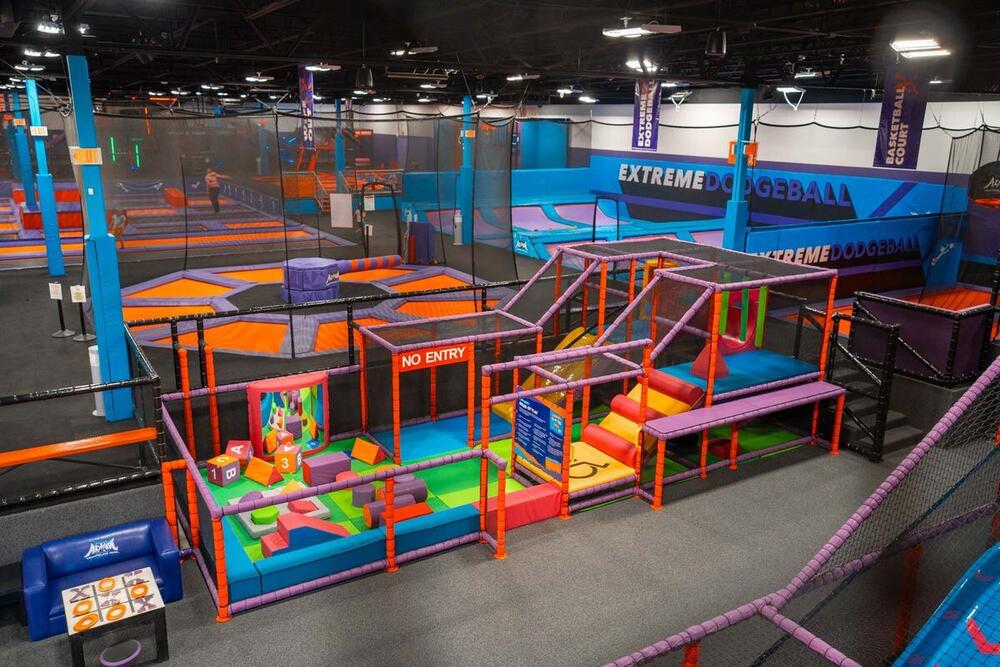
Toddler Play & Toddler Towns
Toddler Zones are the heart of any successful indoor entertainment space.
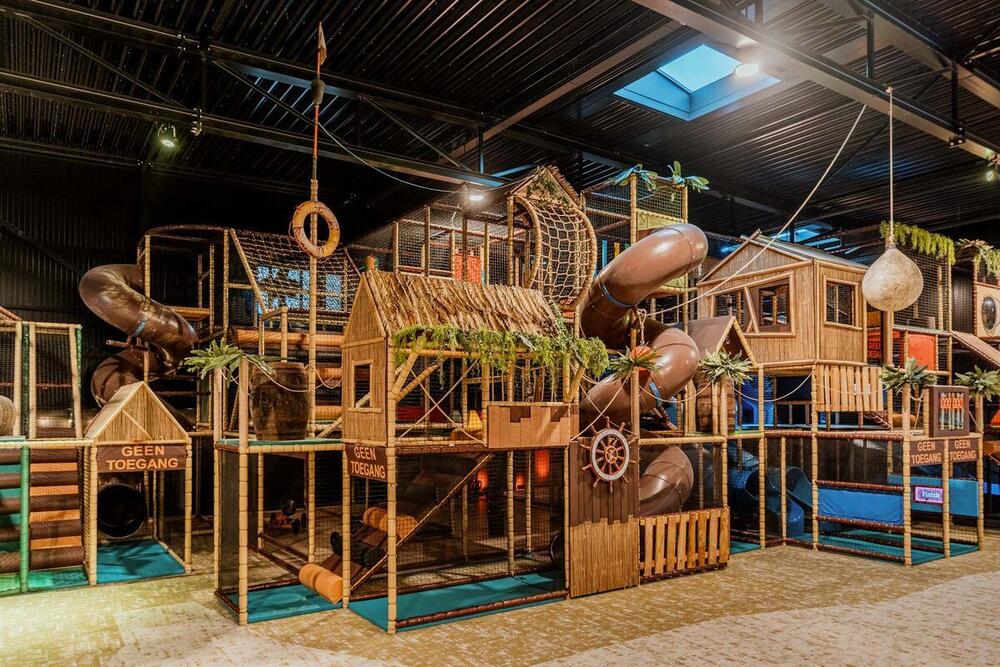
Themed Play & Soft Sculptures
Soft play themes are more than just fun; they're an experience.
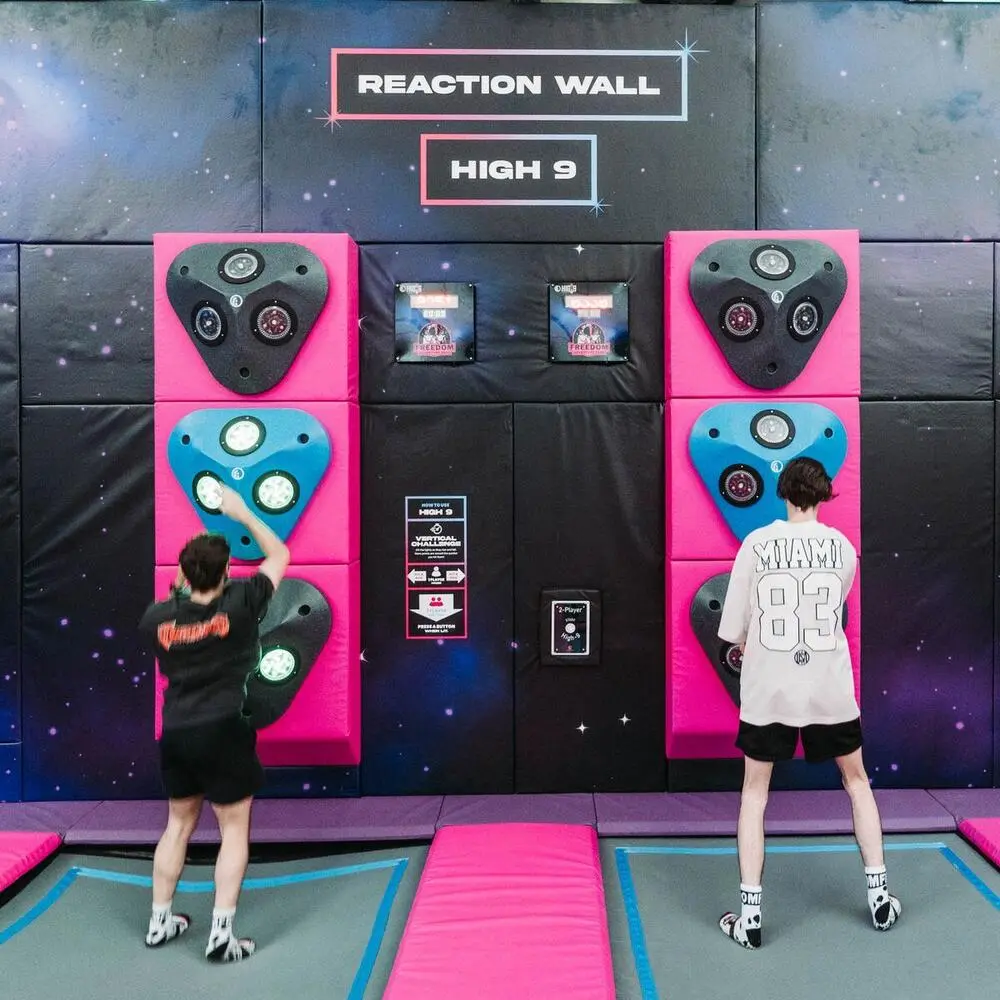
Interactive Walls & Floors
Projection and sensor play that turns a wall or a floor into the attraction.
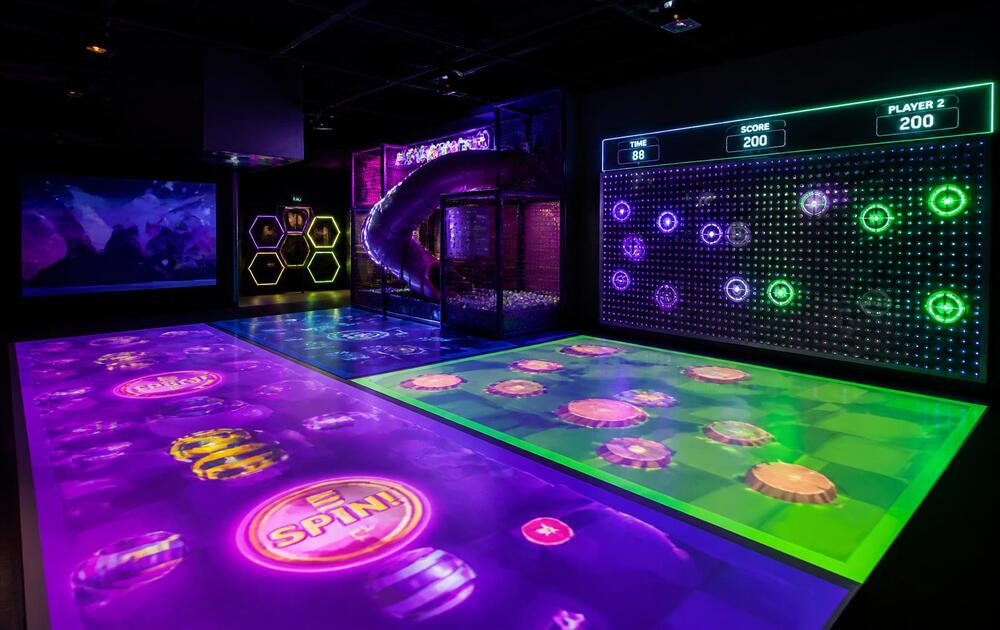
Party & F&B Zones
The rooms that carry the margin: party space and food covers built around the attractions.


The next step
Send the building, get a line-item estimate
Footprint, ceiling height and opening target is enough to start. You get a priced scope, not a brochure.
Talk to somebody
864-477-1126Request an EstimateOr send a floor plan and we will come back with a priced scope.