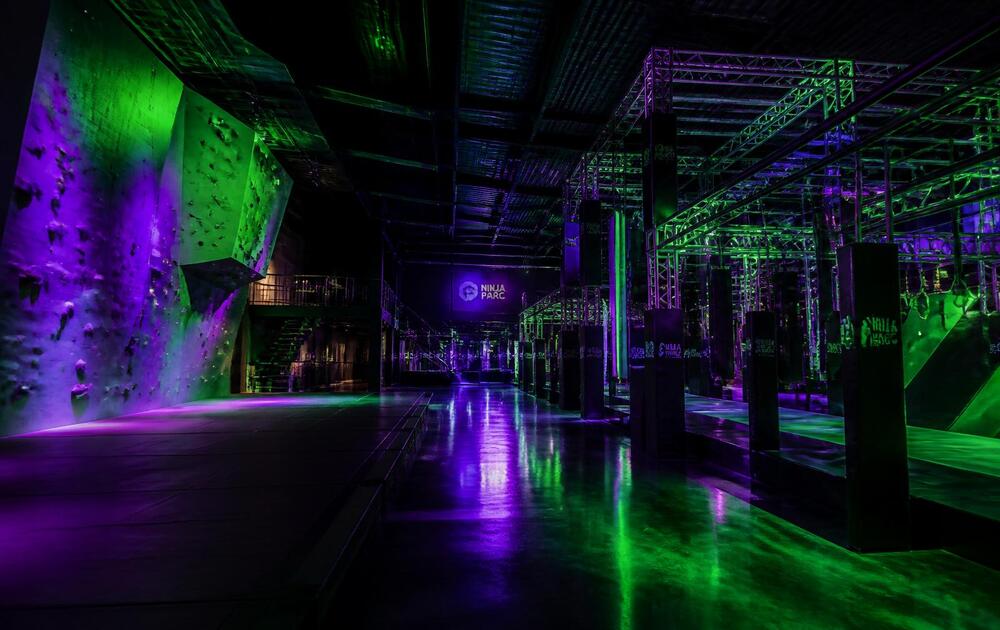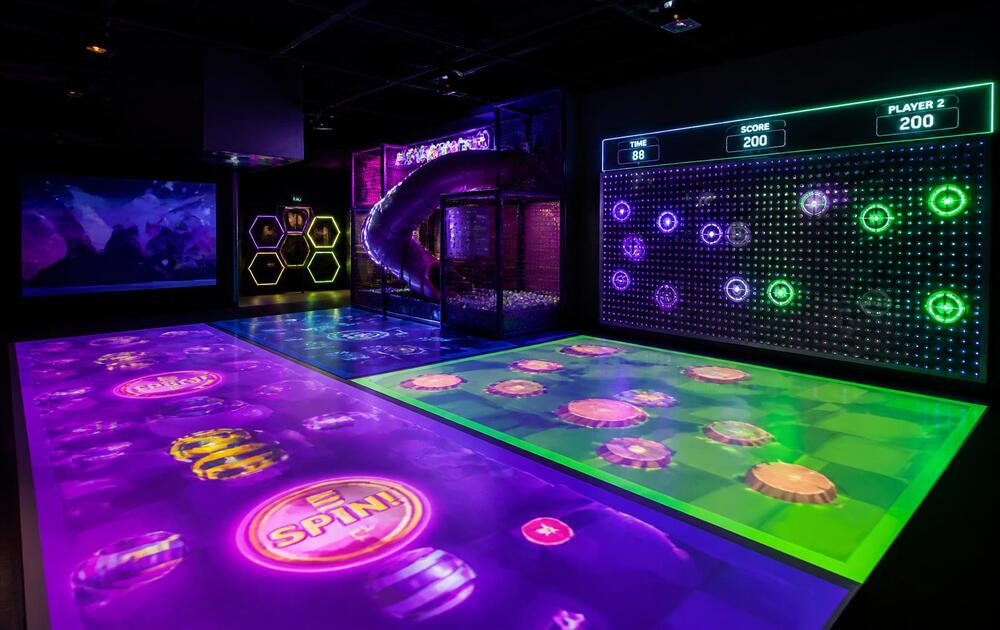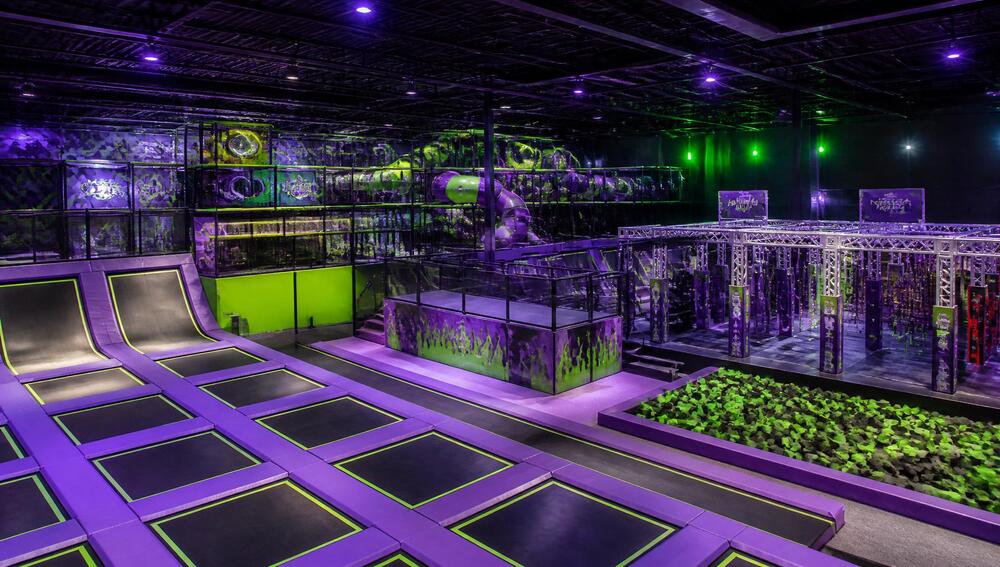

Designing a commercial indoor playground involves many factors, from safety and accessibility to aesthetics and fun.
Whether you’re starting a family entertainment center, adding a play area to your restaurant, or creating a community space, a well-designed indoor playground can attract families, increase dwell time, and provide a memorable experience for children.
In this guide, we’ll walk you through the essential steps to design a successful commercial indoor playground.
1. Planning And Conceptualization
Before getting into design specifics, it’s crucial to establish a solid foundation by defining your project scope and objectives.
- Define Your Target Age Group: Who are you designing this playground for? Toddlers have different needs and preferences than older children. Understanding your target age group will guide your equipment choices and overall design.
- Set a Budget: Determine how much you’re willing to invest in this project. Costs can vary significantly based on size, materials, and features.
- Choose a Theme: A theme can create a cohesive and immersive play experience. Consider popular themes like jungles, oceans, or fairytales.
- Space Assessment: Measure your available space, noting ceiling height, obstacles, and entry/exit points. This will determine the size and type of playground equipment you can accommodate.
2. Safety First For An Indoor Playground
Safety should be your top priority when designing your indoor commercial playground. Here are some key considerations:
- Flooring: Choose a shock-absorbent flooring material to cushion falls. Options include poured-in-place rubber, rubber tiles, and carpet.
- Equipment Spacing: Leave enough space between equipment to prevent collisions and allow for free movement.
- Entrapment Hazards: Inspect the design for any potential entrapment hazards, such as gaps or openings where children could get stuck.
- Accessibility: Make sure the playground is accessible to children with disabilities. Include ramps, wider walkways, and sensory play elements.
- Regular Maintenance: Establish a regular maintenance schedule to check for wear and tear, loose parts, and other potential hazards.
3. Selecting The Right Indoor Playground Equipment
The indoor playground equipment you choose will make or break your commercial indoor playground. Here’s what to consider:
- Age Appropriateness: Select indoor play equipment that is suitable for your target age group. Toddlers need smaller, softer structures like soft play equipment. Interactive play equipment is suitable for older children enjoy climbing, sliding, and swinging.
- Variety: Offer a variety of indoor playground equipment. Include trampolines, slides, swings, tunnels, and interactive elements. This experience will keep children engaged.
- Quality and Durability: Invest in high-quality, durable indoor playground equipment that can withstand heavy use. Look for indoor playground equipment made from strong, non-toxic materials.
- Interactive Elements: Incorporate interactive elements that stimulate imagination and creativity. These can include musical instruments, puzzles, and building blocks.
- Multi
4. Create An Engaging Indoor Playground Environment
A well-designed indoor playground is more than just equipment. Consider these factors to create an engaging and stimulating environment:
- Color Scheme: Use bright, vibrant colors to create a cheerful and inviting atmosphere.
- Lighting: Use a combination of natural and artificial light to create a well-lit and welcoming space.
- Sound: Consider adding sound elements, such as music or nature sounds, to enhance the play experience.
- Visual Appeal: Use murals, decorations, and themed elements to create a visually stimulating environment.
5. Designated Area For Supervision And Accessibility
While a well-designed playground is the foundation of safe and enjoyable play, adult supervision remains a vital component to ensure the well-being of all children.
By maintaining clear sightlines throughout the play area, parents and caregivers can easily monitor the children and intervene promptly if needed. This layout design not only enhances safety but also provides peace of mind.
Additionally, it is also important to make the playground accessible to children with disabilities by incorporating ramps, wider walkways, and sensory play elements. Accessible layout designs promote equity, allowing all children to enjoy the playground and grow in a safe and welcoming environment.
6. Regular Maintenance and Hygiene Checks
Regular maintenance is crucial for the safety, longevity, and optimal performance of your indoor playground equipment. By establishing a routine cleaning, and inspection schedule, you can identify potential issues and address them before they become a safety hazard.
Hygiene is a critical aspect of indoor playground maintenance. It is important that the play area is thoroughly cleaned and disinfected on a regular basis to prevent the spread of germs. Proper maintenance not only extends the lifespan of your indoor playground equipment but also builds trust with your visitors, making your facility a go-to-destination for safe and enjoyable play.
Next Level Parks | Your Indoor Commercial Playground Equipment Experts
A well-designed commercial indoor playground can be a valuable asset to your business or community. By following these tips, you can create a safe, engaging, and memorable play experience for children of all ages. Remember to prioritize safety, choose age-appropriate equipment, and create a stimulating environment. With careful planning and attention to detail, you can design an indoor playground that will be a hit with kids and parents alike.
At Next Level Parks, we specialize in creating custom indoor playground solutions tailored to your specific needs and space. Our team of experts can help you with every step of the process, from conceptualization and design to installation and maintenance. Contact Next Level Parks today to learn more about how we can help you create a collection of fun and successful commercial indoor playground equipment.
Frequently Asked Questions (FAQ)
Q: What is the best flooring for an indoor playground?
Several options are available, including poured-in-place rubber, rubber tiles, and carpet. The best choice depends on your budget, aesthetic preferences, and the age group you’re catering to. Poured-in-place rubber is a popular choice for its durability and shock absorption.
Q: How much space do I need for a commercial indoor playground?
The space required will depend on the size and type of playground equipment you choose. As a general rule, allow for ample space between equipment to prevent collisions and allow for free movement.
Q: What are some popular themes for indoor playgrounds?
Popular indoor playground themes include jungles, oceans, fairytales, and outer space. The choice of theme will depend on your target age group and overall design aesthetic.